
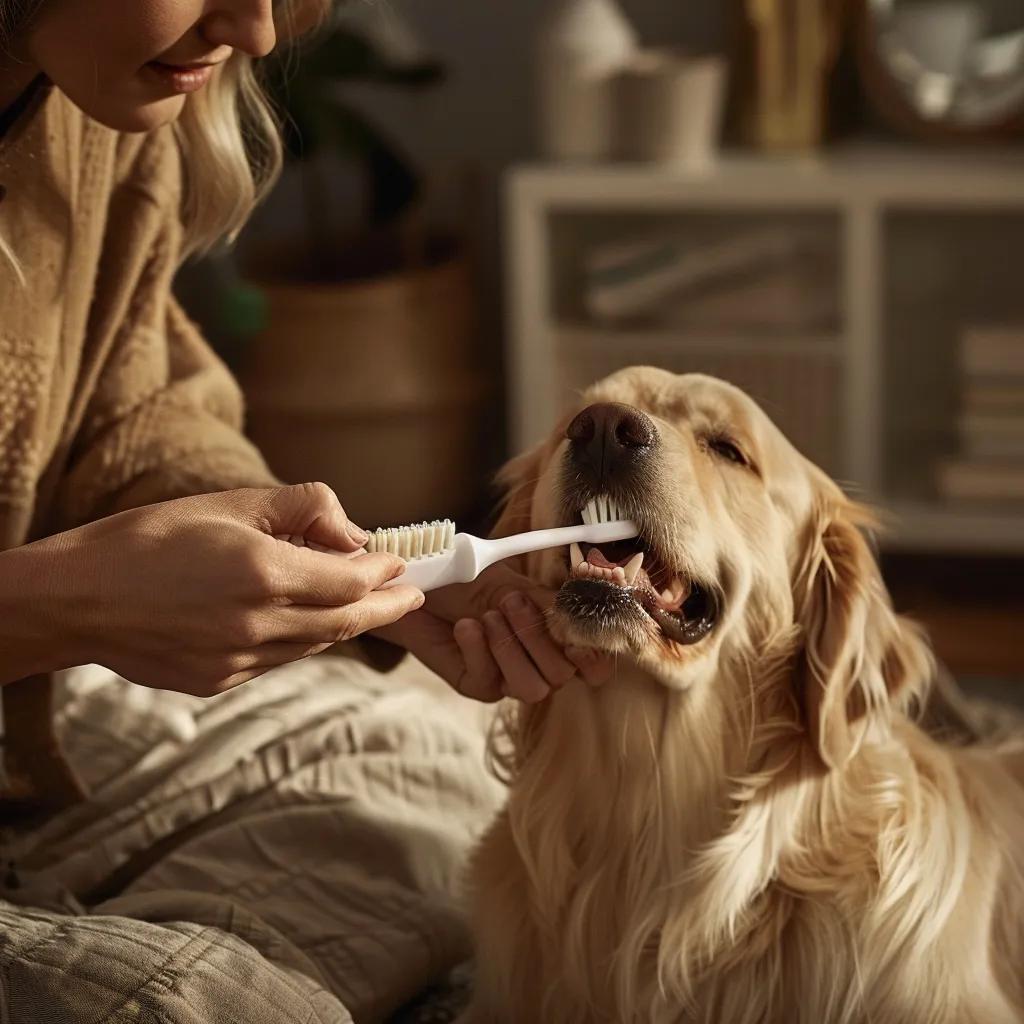
Best Dental Care Options to Keep Your Pet’s Teeth Healthy and Bright
Keeping a pet’s mouth healthy means regular attention to teeth, gums, and everyday oral hygiene to stop plaque and tartar from turning into painful periodontal disease. Research and clinical guidance show that consistent care freshens breath, lowers the chance of mouth infections, and helps protect overall health by limiting bacteria that can affect organs. This guide explains why dental care matters, lays out the best at‑home routines and products, compares grooming‑level brushing with veterinary procedures, and explains how mobile dental services fit into a practical prevention plan. You’ll find clear how‑to steps for brushing, product selection tips (including VOHC guidance), signs that need veterinary attention, and how mobile services make prevention easier for busy or anxious households. Read on for reasons to prioritize oral health, step‑by‑step home care, the role of mobile brushing, when to see a vet, product comparisons, and a long‑term prevention checklist that includes mobile appointments—so you can choose a routine that protects your pet and supports a longer, happier life.
Why Pet Dental Care Matters for Your Dog or Cat
Dental care prevents plaque and tartar from becoming gingivitis or periodontal disease. Bacteria that build up on teeth and gums can cause pain, infection, and — if they enter the bloodstream — extra strain on the heart and kidneys. Regular prevention lowers the chance of costly, invasive veterinary procedures and helps your pet feel better: better appetite, less discomfort, and more playful behavior. It also saves you stress by keeping teeth in better shape between professional checkups and reducing emergency visits.
Many owners miss early warning signs, and catching problems early often avoids anesthesia‑dependent treatment. Use the checklist below to spot the most common signs that deserve a closer look or a pro opinion.
- Persistent bad breath: A steady, unpleasant odor that doesn’t go away after quick cleaning is often an early warning.
- Visible tartar buildup: Yellow or brown deposits at the gumline show plaque has hardened into tartar.
- Red, swollen, or bleeding gums: Inflamed or bleeding gums during eating or touch suggest gingivitis.
- Changes around eating: Reluctance to chew, dropping food, or pawing at the mouth can mean dental pain.
If you notice these signs, watch closely and contact your veterinarian when they persist—early action protects both the mouth and the rest of the body.
Common Signs of Dental Disease in Pets
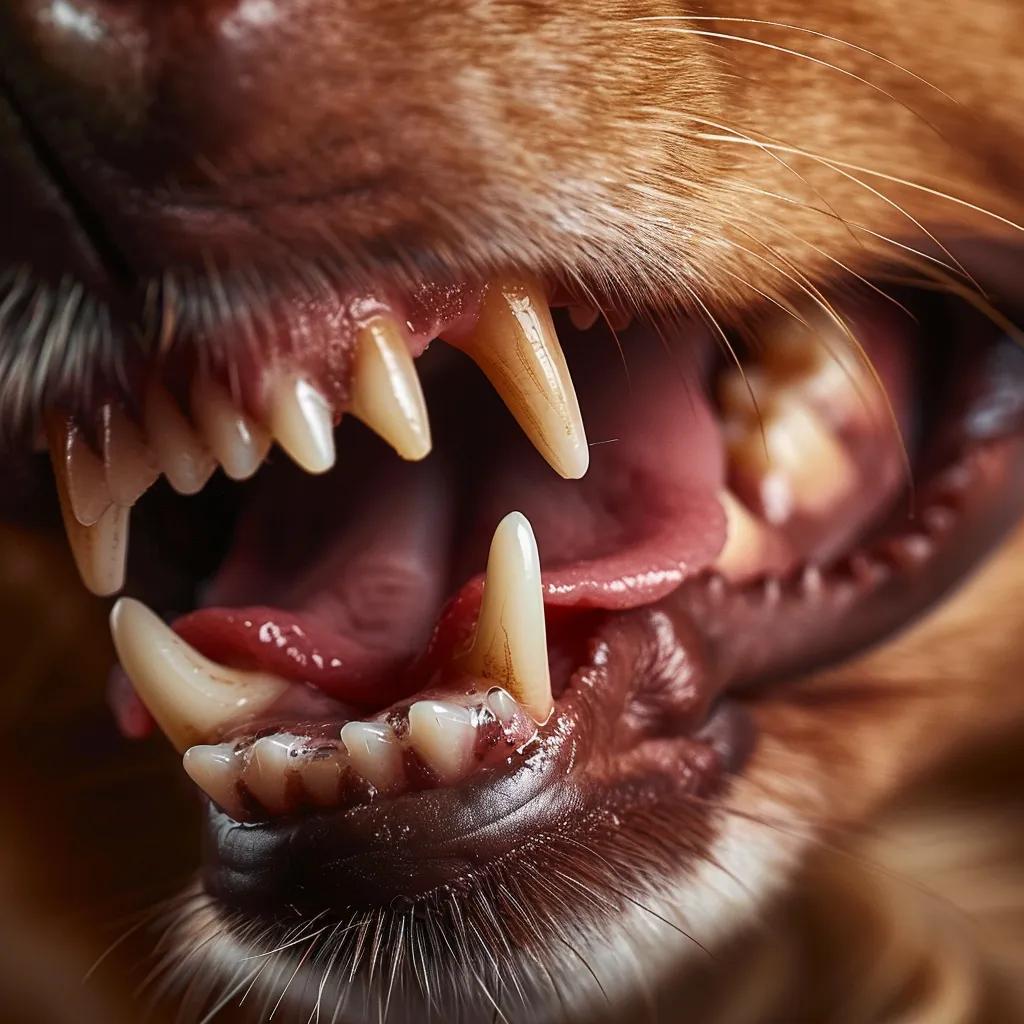
Dental disease often shows up in ways you can see or in how your pet behaves before problems become severe. Look for lasting bad breath, tartar on teeth, and gums that are red or bleed—these usually come before deeper periodontal disease. Behavior changes—less interest in food, trouble chewing, pawing at the mouth, or choosing soft food—can all point to pain or loose teeth. Regular at‑home checks help you catch issues early and decide whether home care, a groomer’s preventive brushing, or a vet visit is the right next step.
Finding problems early reduces the chance of more complicated procedures later. Next, we’ll cover how poor oral health can affect your pet’s whole‑body wellness.
How Poor Oral Health Affects Your Pet’s Overall Wellness
Oral bacteria don’t just stay in the mouth — they can enter the bloodstream and contribute to inflammation and added stress on organs. Chronic dental disease is linked to extra workload on the heart and kidneys and can worsen existing conditions. Oral pain also changes behavior and appetite: pets may stop chewing toys, eat less, or lose weight. Investing a little time in prevention—daily care, the right products, and regular checks—improves comfort now and lowers health risks down the road.
With systemic risks in mind, the next section walks through the most practical at‑home dental options you can start using today.
Top At‑Home Dental Care Options for Dogs and Cats
Effective at‑home care combines several approaches: daily brushing with pet toothpaste, dental wipes, VOHC‑approved chews, water additives, and diet adjustments. Brushing is the gold standard because it physically removes plaque and helps your pet get used to routine care, while supportive products help when brushing isn’t possible. Choose pet‑safe toothpaste, the right chew size, and introduce new steps slowly for anxious pets. A realistic routine with easy alternatives is the best way to stay consistent and avoid more intensive veterinary work later.
Below is a quick comparison to help you pick methods that match your pet’s temperament and your schedule.
- Daily brushing with pet toothpaste: Most effective when done properly and regularly.
- Dental chews (VOHC‑approved): Help with mechanical cleaning and work well for many dogs when sized correctly.
- Dental wipes and water additives: Good backup options for older or anxious pets that can’t tolerate full brushing.
| At-home Method | Effectiveness | Ease for Anxious Pets | Recommended Frequency |
|---|---|---|---|
| Daily brushing | High | Medium (needs slow training) | Daily |
| Dental chews | Medium-High | High (minimal handling) | 2–5 times/week |
| Water additives | Low-Medium | Very High (very little handling) | Daily |
| Dental wipes | Low-Medium | High (gentle, less invasive) | Every other day |
This table lets you weigh practical features and choose what fits your pet. Pairing at‑home steps with occasional professional care makes long‑term results stronger.
If you need help teaching brushing or your pet is especially nervous, booking a mobile teeth‑brushing appointment gives professional support and eases the daily load.
How to Brush Your Pet’s Teeth Effectively at Home
Brushing is a habit you can build with short, positive sessions and plenty of rewards. Start by letting your pet taste pet‑safe toothpaste on your finger, then move to a soft pet toothbrush with calm, slow strokes on the outside surfaces. Don’t use human toothpaste—stick to pet formulas. Use gentle circular motions along the gumline where plaque collects, and aim for brief daily sessions that lengthen as your pet gets comfortable. If your pet resists, keep sessions short and reward them with a favorite treat or praise to build positive associations.
If brushing stays too stressful, use wipes, chews, or schedule professional mobile brushing while you continue to gently condition your pet for future brushing.
- Prepare calmly: Gather pet toothpaste, a pet toothbrush, and treats; let your pet sniff and taste the paste first.
- Introduce touch: Rub the outer teeth and gums with a finger for a few sessions before using the brush.
- Brush in short bursts: Use slow circular strokes on outer surfaces, focusing at the gumline for about 30–60 seconds per side.
- Reward consistently: Give a small treat and quiet praise after each session to reinforce the habit.
With these steps, most pets learn to accept daily brushing and you’ll keep plaque from building up between professional visits.
Recommended At‑Home Dental Products
Pick safe, effective products by checking for VOHC approval, matching size and texture to your pet, and factoring in any medical issues. VOHC‑approved chews and toothpastes show measurable plaque or tartar reduction in trials and usually list that approval on the label. Match chew size and texture to your dog’s breed and chewing strength to avoid choking or dental damage, and choose toothpaste flavors that pets accept. For cats, softer wipes or gentle pastes work best.
| Product Type | VOHC Approval | Best For | Frequency |
|---|---|---|---|
| Dental chews | Often Yes | Medium‑large dogs with strong chewing | 2–5x/week |
| Pet toothpaste | Sometimes | All sizes for daily brushing | Daily |
| Water additives | Sometimes | Busy owners or anxious pets | Daily |
| Dental wipes | Rare | Small dogs and cats, short sessions | Every other day |
Use this table to match products to your pet. Combining a primary method like brushing with supportive products improves results. If you want professional help, a mobile brushing appointment can boost your routine and teach you better technique.
How Mobile Pet Dental Services Help Your Pet’s Oral Health
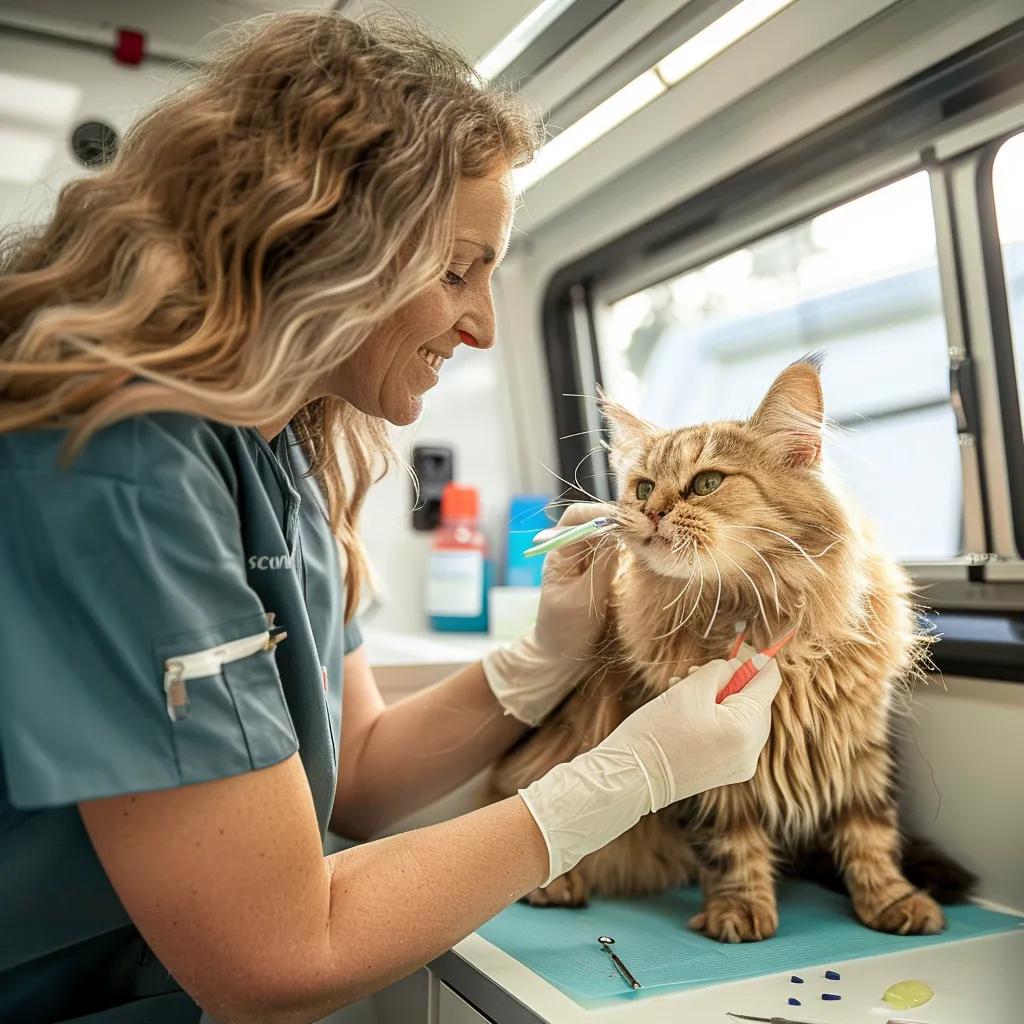
Mobile dental services bring teeth brushing and preventive care right to your driveway, cutting travel stress for pets and making regular professional maintenance easier to keep. Our trained groomers use pet‑safe toothpaste and gentle handling to remove surface plaque and freshen breath, helping control buildup between veterinary cleanings. Mobile brushing fills gaps home care can miss and creates low‑stress sessions for anxious or older animals. For many families, regular mobile visits set a predictable prevention routine that reduces the chance of advanced dental disease needing anesthesia and extractions.
| Service Feature | Benefit | Value |
|---|---|---|
| On-site appointments | Saves time and lowers travel stress | Time Savings |
| Gentle handling | Reduces anxiety for sensitive pets | Comfort |
| Trained groomer technique | Better plaque control than inconsistent home care | Preventative |
| Pet-safe toothpaste | Safer daily oral cleaning | Safety |
This table shows how mobile teeth brushing translates into real benefits for you and your pet. If you’re in McKinney, TX, Woof Woof Mobile Grooming offers a Teeth Brushing service that brings professional brushing to your doorstep—book a mobile grooming visit to add steady preventive care to your pet’s routine.
What’s Included in Woof Woof Mobile Grooming’s Teeth Brushing Service?
Our Teeth Brushing service is a focused, gentle session delivered by trained groomers in a calm mobile setting in McKinney, TX. We use pet‑safe toothpaste and proven handling techniques to remove surface plaque and improve breath, always prioritizing your pet’s comfort with one‑on‑one attention. These sessions are preventative—meant to support daily care and slow tartar buildup that could otherwise need veterinary scaling. If home brushing is hard or your pet is anxious, a mobile appointment with Woof Woof gives practical, professional help that fits busy schedules.
Why Mobile Dental Care Works for Anxious or Busy Owners
Mobile care removes travel stress and waiting room triggers that can spike anxiety in sensitive pets. Working one‑on‑one with a trained groomer shortens handling time, eases separation worries, and makes it more likely you’ll keep a regular prevention schedule. For multi‑pet homes, older owners, or those without easy transportation, mobile services save time and keep care accessible without sacrificing quality. Those practical gains make sticking to a prevention plan much easier and help avoid urgent vet visits.
Knowing when to move from grooming‑level care to veterinary treatment helps you pick the right option at the right time.
Professional Dental Care Options Every Pet Owner Should Know
Professional care ranges from groomer‑led preventative brushing to full veterinary dental procedures like anesthetized scaling, periodontal therapy, diagnostics, and extractions. Grooming services focus on surface plaque and routine maintenance without anesthesia, while veterinary care treats underlying disease, cleans below the gumline, and uses imaging to spot problems. Knowing what each option does helps you plan prevention and recognize when to escalate to a vet. Regular grooming maintenance combined with yearly veterinary checks creates a layered plan that balances comfort with thorough diagnostics.
- Severe tartar below the gumline: Heavy deposits near or under the gumline often mean deeper periodontal disease.
- Loose or broken teeth: Mobile or fractured teeth usually require professional extraction or repair.
- Chronic oral pain or abscesses: Recurrent swelling, draining tracts, or facial swelling are red flags that need a vet.
These red flags help you decide how urgent care is and what type of professional is needed; the next section explains timing and common veterinary procedures.
When to Schedule a Veterinary Dental Cleaning
Book a veterinary dental cleaning if you see signs of advanced disease—ongoing bleeding, loose teeth, facial swelling—or if your pet shows systemic signs like unusual lethargy that could be linked to oral infection. Vet procedures usually include anesthetized scaling and polishing to clean below the gumline, an intraoral exam, dental X‑rays when needed, and extractions if teeth can’t be saved. Anesthesia lets the vet fully assess and treat problems that groomer‑level brushing can’t reach, and they can manage pain and infection. The best strategy is prevention: daily care and routine grooming help reduce how often anesthesia‑based procedures are needed.
Grooming Dental Care vs. Veterinary Procedures — What’s the Difference?
Grooming dental care (like mobile teeth brushing) is non‑anesthetic, preventative, and focuses on surface plaque and breath improvement—great for routine maintenance and owner compliance. Veterinary dental procedures are diagnostic and therapeutic, usually done under anesthesia to allow scaling under the gumline, X‑rays, periodontal treatment, and extractions. The two work together: regular grooming reduces plaque between vet visits, and vets handle disease that affects roots or bone. Combining both gives the strongest protection long term.
Smart planning blends daily home care, periodic professional brushing, and veterinary checks into a reliable prevention strategy. Next, we’ll look at product choices that support that plan.
Best Dental Products to Keep Your Pet’s Mouth Healthy
Choose products based on proven validation (VOHC approval), your pet’s size and chewing strength, and any medical needs. VOHC‑approved chews and pastes have tested benefits for plaque or tartar reduction and are a good starting point. Think about texture and size to avoid choking or tooth damage, and match product intensity to your pet’s age and dental health. A layered approach—daily brushing when possible, supplemented by approved chews and water additives as needed—gives the best real‑world results for most families.
| Product Category | VOHC Approval Typical | Best For | Frequency |
|---|---|---|---|
| Chews | Often Yes | Active chewers, medium‑large dogs | 2–5x/week |
| Toothpaste | Sometimes | All sizes for daily brushing | Daily |
| Water additives | Sometimes | Owners needing low‑handling options | Daily |
| Dental diets | Sometimes | Pets with special nutritional plans | As directed |
What VOHC Approval Means and Why It Helps
The Veterinary Oral Health Council (VOHC) seal shows a product passed controlled testing for plaque‑ or tartar‑reduction. It’s a useful benchmark when you’re comparing options. Look for the VOHC mark on packaging or product descriptions and match each product’s claimed benefit (plaque vs tartar control) to your pet’s needs. VOHC status pairs well with your vet’s advice and helps you avoid unproven claims.
How to Choose the Right Chews, Toothpaste, and Diets
Match texture, size, and clinical validation to your pet’s chewing strength, age, and medical history. Big hard chews suit heavy chewers; softer options are safer for small breeds and seniors. Read labels for VOHC approval and safe ingredients, and avoid overly hard items that risk fractures or tiny pieces that can choke. For cats, pick gentle wipes or toothpaste made for felines, and always check with your vet before changing a pet’s diet for dental reasons. Reassess product fit as pets age or their dental situation changes to keep things safe and effective.
Using a mix—brushing, targeted chews, and periodic pro checks—helps maintain oral health and works well alongside mobile brushing services for steady upkeep.
How to Prevent Dental Disease and Keep Teeth Clean Long‑Term
Long‑term prevention comes from a consistent routine that combines daily habits, periodic professional maintenance, and regular veterinary checks to catch early signs. Set a realistic daily plan—brush when you can, offer VOHC‑approved chews, use water additives if helpful, and schedule routine mobile or clinic checks—to stop plaque from hardening into harmful tartar. Check your pet’s mouth regularly and keep a short log of breath, eating, or visible tartar changes so you can act quickly. A layered plan reduces invasive treatments and supports lasting wellness.
- Daily: Brush or use a recommended paste/wipe and add an approved water additive if tolerated.
- Weekly: Give VOHC‑approved dental chews sized for your pet and watch chewing behavior.
- Monthly: Inspect the mouth for tartar, bleeding, or behavior changes and note observations for your vet.
- Annually: Schedule a professional dental exam with your veterinarian and consider regular professional brushing sessions.
These simple steps make a practical prevention plan. Adding mobile appointments can make the schedule realistic for busy households.
Daily Habits That Support Healthy Teeth and Gums
Daily wins are small and consistent: brief toothbrushing, appropriate chews, and quick oral checks to spot changes. Start each day or evening with a short brush or wipe to disrupt plaque and reward calm behavior. Offer VOHC‑approved chews a few times a week to add mechanical cleaning that supports brushing. Keep a short log—breath, appetite, visible tartar—so you and your vet can see trends and act before small issues grow.
How Regular Mobile Teeth Brushing Helps Prevent Buildup
Mobile teeth brushing complements home care by using professional technique to reach spots owners often miss, slowing the rate at which plaque hardens into tartar. Groomers work efficiently on the outer tooth surfaces with pet‑safe paste and gentle polishing motions that extend the benefits of home brushing. When scheduled at sensible intervals, mobile brushing interrupts plaque cycles and reduces buildup that leads to inflammation and periodontal disease. Together with daily care and annual vet checks, mobile brushing forms a strong prevention program that lowers the need for invasive treatments.
Ready to add professional support to your routine? Booking a mobile grooming appointment with Woof Woof Mobile Grooming brings convenient, consistent maintenance right to your door.
Frequently Asked Questions
1. How often should I schedule professional dental cleanings for my pet?
Most pets benefit from at least one professional cleaning per year, but needs vary by age, breed, and dental history. Pets with ongoing issues may need more frequent care, while younger, healthy pets might need less. Regular vet checkups help set the right schedule. Mobile dental services can also bridge the gap between cleanings with professional maintenance.
2. What should I do if my pet resists having their teeth brushed?
If your pet resists, go slowly. Let them taste pet‑safe toothpaste first, start with very short sessions, and use gentle rewards like treats and praise. If brushing stays difficult, use dental wipes or approved chews as backups. A vet or professional groomer can offer tailored tips to make brushing easier over time.
3. Are there special diets that help dental health?
Yes—some dental diets are formulated to reduce plaque and tartar through texture and ingredients. Look for products with the VOHC seal for proven benefit. Adding dental chews and treats can help too. Always check with your vet before making major diet changes to make sure nutritional needs are still met.
4. What are the benefits of water additives for dental care?
Water additives are an easy way to support oral hygiene, especially for pets that won’t tolerate brushing. They help reduce plaque and tartar buildup with minimal handling—useful for busy owners or anxious pets. Remember, they’re a supplement, not a replacement for brushing and veterinary care. Choose VOHC‑approved products when possible.
5. How can I tell if my pet needs immediate veterinary dental care?
Seek prompt veterinary care for persistent bad breath, bleeding gums, loose teeth, facial swelling, difficulty eating, excessive drooling, or clear behavior changes tied to mouth pain. These signs can mean serious problems that need professional treatment—early vet intervention prevents complications.
6. Can dental problems affect my pet’s overall health?
Yes. Bacteria from periodontal disease can enter the bloodstream and affect organs like the heart and kidneys. Good oral care protects your pet’s mouth and helps lower the risk of wider health issues. Regular dental attention supports your pet’s long‑term wellbeing.
7. What should I look for when choosing dental products?
Prioritize VOHC‑approved products, consider your pet’s size and chewing style, and pick items made specifically for pets. Avoid human toothpaste and very hard chews that can fracture teeth. Reassess products as your pet ages or their dental needs change to keep care safe and effective.
Conclusion
Good dental care makes a big difference in your pet’s comfort and long‑term health. A simple routine—daily brushing when possible, VOHC‑approved products, and regular professional care (including mobile brushing)—helps control plaque and tartar and reduces the need for costly veterinary procedures. Start small, stay consistent, and lean on mobile grooming services when you need help. Your pet’s smile (and overall health) will thank you.