
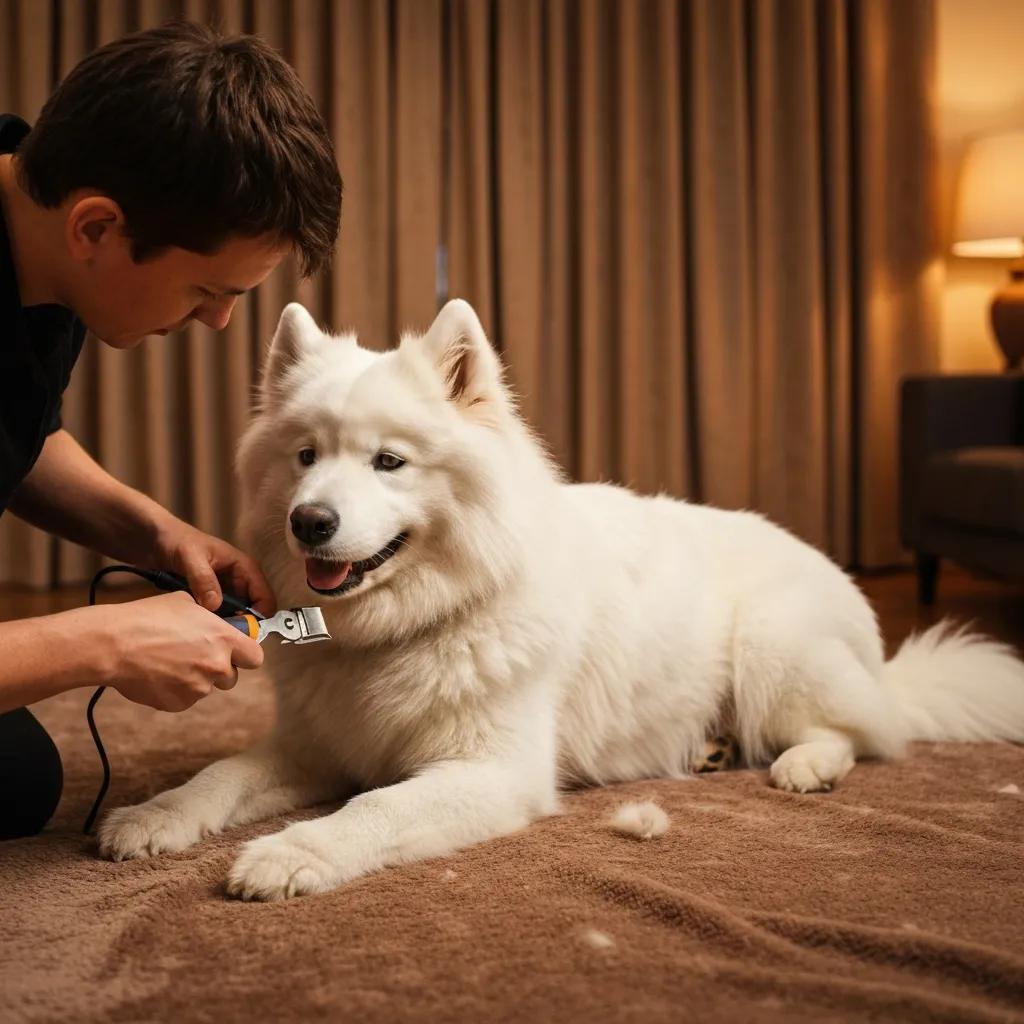
Mobile Pet Nail Care — Services, Prices & Real Customer Stories
Mobile nail care brings professional trimming, grinding, and paw checks right to your doorstep. It cuts out stressful car rides, keeps pets calm in a familiar space, and saves you time. This guide walks through what mobile nail care is, how it works, and when at-home service makes sense for dogs and cats. You’ll learn the difference between clipping and grinding, why overgrown nails matter for health and mobility, typical price ranges and package options, and tips for picking a groomer who’s good with anxious or senior pets. We also give a clear booking checklist and share what locals say about results like calmer appointments and easier walks. By the end you’ll know if mobile nail care fits your pet and how to prep for a low-stress visit.
Why Choose Mobile Nail Care? How Woof Woof Keeps It Calm and Convenient
Mobile nail care is simple, professional, and made to reduce stress. Instead of loading your pet into the car, a trained technician comes to your home with sanitized tools and a plan. They do a quick pre-service check, choose clippers or a grinder as needed, and use calm handling techniques to avoid injury and the need for strong restraint. The result is safer nail care, less anxiety, and better paw health—especially for pets who dislike car rides or noisy salons. Mobile visits also save you time and limit contact with other animals, which helps seniors or pets with weaker immune systems. Those benefits make mobile nail care a sensible, practical option for many families.
Because we focus on individual care and steady results, mobile nail care fits busy households that want predictable, low-stress grooming.
How Mobile Nail Care Keeps Pets Calm

Keeping pets calm starts with staying in their own space. Technicians pick a quiet, low-traffic spot in your home so your pet can stay comfortable and less defensive. That familiar setting lowers stress hormones and usually makes appointments shorter and smoother. You also save drive time and can watch the groomer work, which helps build trust. Short, calm visits are easier to repeat on a regular schedule—one of the main reasons owners choose at-home nail care for anxious or older animals.
Research into grooming services shows that understanding client needs and obstacles helps providers deliver better, lower-stress care—especially for pets who struggle in salon environments.
Pet Grooming Services: Barriers and Facilitators
ABSTRACT: Barriers to and facilitators of pet grooming among clients served by a subsidized grooming service program
Barriers to and facilitators of pet grooming among clients served by a subsidized grooming service program, SE McDonald, 2022
How Expert Groomers Keep Nail Care Safe and Comfortable
Pro groomers follow a clear safety routine that starts with a quick paw and health check to spot cracked nails, infections, or sensitive areas. They bring the right tools—nail clippers, a Dremel-style grinder, files, pad checks, and sanitizing supplies—and trim carefully to avoid the quick. Calm handling matters: slow approaches, gentle restraint, short breaks, and clear communication with you reduce fear and risk. Grinders are often used when clipping could hit the quick. After the visit, groomers explain aftercare and warning signs so you can watch for healing issues or changes in gait. These steps help you choose the right service for your pet’s needs.
What Services Does Mobile Nail Care Include? Trimming, Grinding, and Extras
Mobile nail care services generally include straightforward clipping, gentle grinding, manual filing, and a paw-health check to catch cracked nails or fur between toes. Clipping removes length quickly but risks the quick if done too close; grinding reduces length slowly for a smooth finish and less chance of cutting live tissue. That means clipping often works best for calm pets with visible quicks, while grinding is better for anxious animals or dark nails. Common add-ons include pad inspection, light buffing, or protective oil for brittle nails—so the visit can be preventive, not just cosmetic. The table below helps you match method to pet temperament and need.
Here’s a quick summary of common mobile nail services, the tools used, and who they suit best.
Different nail-care options work better for different pets and temperaments.
| Service | Method/Tool | Best For (pet type/temperament) |
|---|---|---|
| Nail Trimming | Clippers, guillotine or scissor type | Cooperative dogs and cats with visible quicks |
| Nail Grinding | Electric grinder (Dremel-style) | Pets sensitive to pressure or with dark nails |
| Nail Filing / Smoothing | Manual files or grinder finish | Pets needing smooth edges to prevent snagging |
| Paw Health Check | Visual inspection, pad palpation | Senior pets, pets with cracked nails or limping |
How Professional Trimming Protects Your Pet’s Health
Keeping nails the right length prevents changes to gait, joint strain, and broken or infected nails. Groomers check how the nail meets the paw pad and trim to a safe margin ahead of the quick, lowering pain and long-term mobility problems. Routine trims also let technicians spot early signs of fungal or bacterial issues and recommend vet follow-up if needed. For many breeds and activity levels, regular maintenance supports natural wear and helps avoid posture changes that can add to arthritis risk later. That’s why many owners choose professional mobile care as part of preventive health, not just an occasional chore.
Why Gentle Grinding Can Be Better for Sensitive Pets
Grinding uses a rotating abrasive to shorten the nail bit by bit and round the edge. Because it removes small amounts slowly, there’s less chance of nicking the quick compared with a quick, aggressive clip—useful for pets that flinch or have dark-colored nails. Groomers can adjust speed, pause often, and use desensitization techniques over multiple visits for sound- or vibration-sensitive animals. The smoother finish reduces snags, slows sharp regrowth, and can make walks and furniture less of a worry. Those practical gains are worth considering when you’re comparing costs and packages.
How Much Does Mobile Nail Care Cost? Clear Pricing and Typical Packages

Mobile nail care prices depend on pet size, service type (trim vs. grind), add-ons, and travel distance. Typical ranges reflect that complexity: small dogs and cats are usually at the lower end, medium and large dogs cost more, and grinding often adds a fee for time and equipment. Temperament can raise cost if a pet needs extra handling time. Look for clear package details, multi-pet discounts, and any travel surcharges so you won’t be surprised at booking.
Below is an at-a-glance comparison of common price ranges and notes to help you plan.
This table shows representative local ranges and helpful notes for budgeting.
| Service | Pet Size/Type | Price / Notes |
|---|---|---|
| Basic Nail Trim | Small dog / Cat | $20–$40 — quick, cooperative pets |
| Standard Nail Trim | Medium dog | $30–$55 — includes paw check |
| Full Nail Trim | Large dog | $45–$70 — may include brief desensitization |
| Nail Grinding (add-on) | Any size | $10–$25 — time and equipment added |
| Multi-Pet Discount | 2+ pets | 10–20% off typical total — encourages scheduling efficiency |
What Affects Mobile Nail Trimming Prices?
Price comes down to a few clear factors: pet size and nail thickness (more time needed), temperament (calm pets take less time), and travel or scheduling demand. An anxious or fractious pet can take longer and raise the fee, while a steady cat with visible quicks is quicker and cheaper. Add-ons—full paw checks, grinding, or protective treatments—add cost but also value. Knowing these drivers helps you pick between a basic visit and a more comprehensive package.
Understanding pricing factors also makes it easier to choose between one-off visits and subscription-style maintenance plans.
Which Packages and Add-Ons Are Available?
Packages usually range from a simple trim to a premium service that bundles grinding, a full paw-health check, and aftercare advice. Subscription plans for recurring trims often lower the per-visit price and simplify scheduling. A basic package covers a standard trim and clean-up, while an enhanced option adds grinding and a pad inspection. Many providers offer multi-pet deals and extras like nail polish or repair oil for damaged nails. Clear descriptions and transparent inclusions help you pick the level of care that fits your pet and your budget.
These choices let owners balance cost, temperament, and the results they want.
What Do Customers Say? Reviews from Woof Woof Clients
Clients often praise punctuality, gentle handling, and calmer pets after at-home visits. Common comments mention pets walking better, fewer split nails, and less stress than salon trips. McKinney customers especially appreciate doorstep convenience and personalized care for seniors or nervous animals. In short, social proof about safety, communication, and consistent results often helps owners decide which local provider to trust.
For McKinney locals, Woof Woof Mobile Grooming is one nearby example that highlights stress-free, one-on-one service; customers are encouraged to reach out and talk through their pet’s needs. Below are short examples of the kinds of outcomes owners report and why trust matters in mobile care.
How Have McKinney Pet Owners Liked Woof Woof’s Nail Care?
Local stories often note less anxiety and easy booking when a groomer comes to the home. Many owners say pets that used to fight trimming now tolerate regular sessions. Results commonly include fewer nail injuries, better comfort for senior dogs, and the convenience of skipping a stressful trip. Clear arrival windows and step-by-step explanations also make appointments predictable—another reason families schedule follow-ups.
These customer themes point to the trust signals owners look for, summarized next.
Why Do Customers Trust Woof Woof for Nail Care?
Trust comes from consistent professionalism: clean tools, gentle handling tailored to anxious or older pets, and clear communication about what will happen during the visit. Woof Woof’s stress-free, personalized approach helps owners feel confident their pet is in good hands at home. Serving McKinney, TX and offering easy contact options also boosts local credibility and makes booking straightforward. Those elements explain why many owners pick mobile nail care over salon visits.
If you’re ready to book, the next section gives a simple workflow and sample messaging to start your appointment.
How to Book Your Mobile Nail Care Appointment — Easy Steps
Booking a mobile nail-care visit usually follows a short sequence: request an appointment, confirm arrival details, set up a calm space, and get the service with follow-up instructions. Providers typically ask about your pet’s temperament, medical notes, and whether multiple pets will be seen, then confirm an arrival window. That clarity makes the visit predictable for you and less stressful for your pet. Below is a short, numbered process you can follow when scheduling.
Use this simple booking message: tell us your pet’s name, age/breed, any medical concerns, and preferred dates. We’ll reply with an arrival window, price estimate, and prep tips. That quick exchange gets you on the calendar with confidence.
- Inquire: Share pet details and a few preferred dates when you request a slot.
- Confirm: We confirm an arrival window, give a price estimate, and send prep tips.
- Prepare: Pick a quiet, safe space where the technician can work.
- Service: The technician completes the trim, explains findings, and gives aftercare tips.
Step-by-Step: What Happens When You Book
After you tell us your pet’s age, breed, and temperament, the provider sets the right time and brings the proper tools. Once we confirm an arrival window, pick a calm spot—often a hallway or quiet room—and make sure your pet has had a chance to settle or go outside. Sessions usually run 15–40 minutes depending on size and method. Technicians pause for anxious pets and check nail length and pad condition at the end. You’ll get follow-up suggestions and scheduling options for routine care.
This routine supports special handling for anxious or older pets, covered next.
How Woof Woof Handles Anxious or Senior Pets
Woof Woof uses slow introductions, owner presence when helpful, and frequent low-stress breaks to make appointments easier for sensitive pets. Technicians bring grinders for a gentler approach, use padded surfaces for stability, and adjust the pace to the pet’s comfort—sometimes splitting the visit into two short sessions if needed. For elderly pets, the team focuses on careful handling and a full paw-health check to catch anything that could affect walking or cause pain. These steps help match booking expectations with a calm in-visit experience.
Those accommodations lead into the FAQ section below, which answers common owner questions.
Common Questions About Mobile Nail Care — Quick Answers
Owners often ask how often to trim, whether mobile care is safe for timid pets, and when to see a vet. The short Q&A below gives direct guidance on intervals, suitability, and warning signs that need professional attention. These quick answers help you decide when to book a groomer instead of attempting home trimming.
Here are straightforward answers to the FAQs owners ask most.
| Question | Short Answer | When to Contact A Professional |
|---|---|---|
| How often should I trim my pet’s nails? | Most pets need trims every 3–6 weeks, depending on activity and breed. | Contact a groomer if nails touch the ground, curl, or crack between trims. |
| Is mobile nail care safe for anxious pets? | Yes—technicians adapt tools and pacing, and often use grinding instead of clipping. | Reach out if your pet is aggressive or shows severe fear that risks safety. |
| When do nails require veterinary attention? | If there’s heavy bleeding, deep infection, or sudden limping, see a vet right away. | Immediate vet care is advised for persistent bleeding or acute lameness. |
How Often Should I Schedule Trims for My Dog or Cat?
Trim frequency depends on activity and breed. Active dogs that wear nails naturally may need trims every 4–6 weeks. Indoor or less active pets often need trims every 3–4 weeks to prevent overgrowth. Watch for nails clicking on floors, visible curling, or changes in gait—these are good signs you need a trim. Regular, shorter trims reduce the risk of quicking and make visits less stressful. Setting up a routine with a mobile provider keeps nail length consistent.
These timing tips lead into suitability guidance for different temperaments.
Is Mobile Nail Care Right for All Pet Temperaments?
Mobile nail care is adaptable: technicians change tools and pace to fit your pet. Grinders help sensitive animals and sessions can be split for very anxious pets. Pets with aggressive behavior, severe pain, or medical concerns might need a vet or in-clinic sedation—professionals assess this during the pre-service check. For most shy or older pets, being at home with gentle handling makes mobile care a better fit than a busy salon. Knowing these limits helps you choose the safest option for your pet.
That wraps up the FAQ and brings us back to choosing a provider and booking the right service.
Frequently Asked Questions
What should I do to prepare my home for a mobile nail care appointment?
Pick a quiet, low-traffic spot—like a hallway or cozy room—so your pet feels safe. Let your pet go outside beforehand to reduce restlessness. Clear the area of obstacles and give the groomer a flat, comfortable surface to work on. These small steps help the visit go smoothly.
How can I tell if my pet needs nail care?
Look for nails that touch the ground, visible curling, or clicking on hard floors. If your pet seems uncomfortable walking or their gait changes, that’s a sign. Regular checks and trims every 3–6 weeks usually prevent problems.
Are there any special aftercare steps after an appointment?
Watch your pet’s paws for a few hours for signs of discomfort or bleeding. Avoid heavy activity right away if your groomer recommends it. Follow any specific aftercare your groomer gives—like applying protective oil—and contact them if you notice excessive soreness or unexpected changes.
Can I ask for extra services during a nail care visit?
Yes. Many groomers offer add-ons such as paw health inspections, nail polish, or protective treatments for brittle nails. Ask about availability and prices when you book so you can customize the visit.
What if my pet is aggressive or very anxious?
Tell the groomer ahead of time so they can plan. Most mobile groomers are trained to handle nervous pets and can use calming techniques or split sessions into shorter visits. If behavior poses a safety risk, the groomer may suggest consulting a vet about sedation or specialized handling.
How do I pick the right mobile nail care provider?
Check qualifications, experience, and customer reviews. Look for teams that specialize in anxious or older pets, and who clearly explain services and pricing. Good communication and a willingness to answer your questions are key signs you can trust them with your pet.
What are the benefits of regular mobile nail care visits?
Regular visits keep nail length in check, prevent painful overgrowth, and lower the chance of injury. Consistent grooming helps pets stay comfortable and mobile, especially seniors. Regular visits also let groomers spot paw issues early, which supports overall pet health.
Conclusion
Mobile nail care is a practical, low-stress way to protect your pet’s paws and keep them comfortable. With doorstep service, calm handling, and clear aftercare, many pets do better at home than in a busy salon. Regular appointments prevent painful problems and help catch issues early. Ready to try it? Scheduling your first mobile nail-care visit is easier than you think.