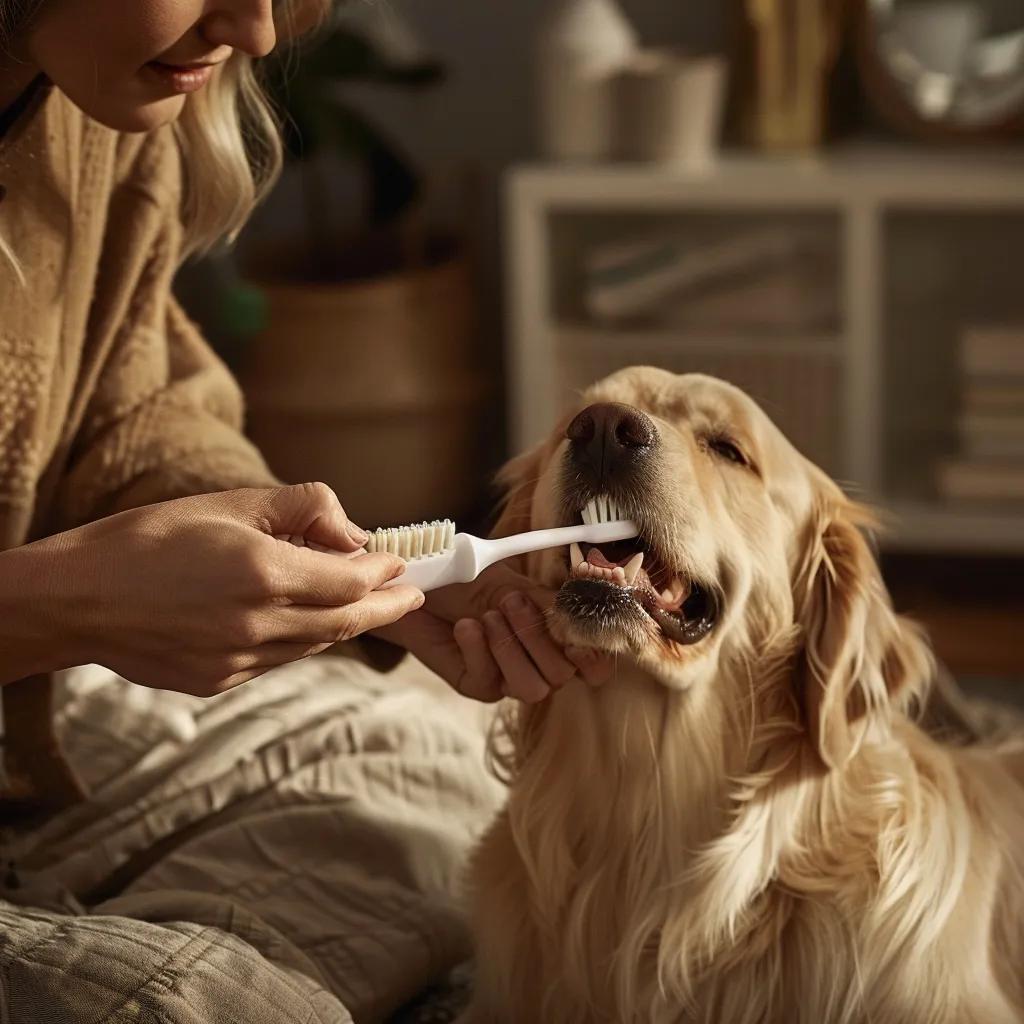

At-Home Brushing vs. Professional Dental Care — Which Is Right for Your Dog?
Keeping your dog’s mouth healthy usually isn’t an either/or choice — it’s both. Daily at-home brushing slows plaque and keeps breath fresher, while periodic professional cleanings remove hardened tartar and treat disease below the gumline. This guide walks you through what brushing does (and doesn’t do), what to expect during a professional cleaning, realistic timing recommendations, and common concerns about cost and anesthesia. You’ll get step-by-step brushing tips, a comparison of tools, chews, and diet, plus low-stress strategies for anxious pets and a reminder that mobile, in-home professional options are available for McKinney, TX. Read on for practical, easy-to-follow advice so you can pick the right routine for your dog’s teeth and gums.
What Is At-Home Dog Teeth Brushing and How Does It Help?
At-home teeth brushing means using a toothbrush and dog-safe toothpaste to physically remove plaque from the visible tooth surfaces. Brushing breaks up the sticky biofilm before it hardens into tartar, lowers gum inflammation caused by bacteria, freshens breath, and reduces the risk of periodontal disease. Regular brushing also helps your dog get used to mouth handling and lets you spot changes — like red gums or new tartar — early. Remember: brushing is preventive, not curative; once plaque mineralizes, a professional cleaning is needed to remove it.
What Are the Benefits of Brushing Your Dog’s Teeth at Home?
When done regularly, at-home brushing gives clear, measurable benefits: less plaque buildup, better-smelling breath, and a calmer, more trusting relationship during handling. Daily mechanical removal of plaque cuts down the bacteria that cause gingivitis, helps keep gums attached to teeth, and lowers the chance of tooth loss over time. Brushing also makes clinic exams easier because dogs are more comfortable with mouth touch. The table below shows how simple at-home steps translate to better oral health.
| Care Component | Attribute | Expected Outcome |
|---|---|---|
| Daily brushing | Mechanical plaque disruption | Slower tartar formation and fresher breath |
| Owner oral checks | Routine inspection | Early detection of red gums or loose teeth |
| Toothpaste (enzymatic) | Antimicrobial support | Reduced bacterial activity between brushes |
These actions work together to keep mouths healthier. Still, there are limits — covered next — that make professional care essential at times.
- Regular brushing helps prevent plaque from hardening into tartar when done consistently and correctly.
- Routine home checks let you catch early signs of gum disease before it gets worse.
- Supportive products like enzymatic toothpaste boost brushing but don’t replace the mechanical action.
Used consistently, at-home care slows disease and often delays the need for more invasive treatments.
What Are the Limitations of At-Home Dog Dental Care?
Home brushing can’t remove hardened tartar (calculus) or clean below the gumline, where the most damaging periodontal disease happens. Once plaque mineralizes, professional scaling — usually under general anesthesia — is the only reliable way to restore clean tooth surfaces and treat subgingival pockets. Home care also can’t provide diagnostics like dental X-rays to find hidden root or jaw problems, and it may miss early systemic signs tied to severe oral infection. Knowing these limits helps you decide when to get a professional assessment instead of relying on brushing alone.
- Brushing won’t remove tartar that’s bonded to the tooth surface and roots.
- Home care doesn’t reach subgingival pockets where infection does the most harm.
- Professional diagnostic tools are required to find underlying tooth and bone issues.
Because of these limits, timely professional evaluations are a necessary complement to daily prevention.
How Do You Brush Your Dog’s Teeth Effectively at Home?
Good home brushing mixes the right tools, patient training, and steady frequency so you disrupt plaque without stressing your dog. Start with an enzymatic dog toothpaste and a brush sized for your pet (finger brush or angled head). Introduce short, positive sessions that include treats and calm praise to build tolerance. Aim for daily brushing; if that’s not possible, try for at least three to four times a week to keep plaque in check. If your dog resists, try gentler restraint, swap brush types, or ask a professional for behavioral tips.
- Gather supplies: Pick an enzymatic dog toothpaste and a small, soft brush that fits your dog’s mouth.
- Acclimate gradually: Start by rubbing lips, then let them taste the toothpaste, and do brief brush sessions.
- Establish routine: Work toward daily brushing, or at minimum 3–4 times weekly, focusing on the outside tooth surfaces.
Stick with these steps to build a home routine that supports long-term oral health.
What Does Professional Dog Dental Care Involve and Why Is It Important?

Professional dental care removes hardened tartar, treats periodontal pockets, and provides diagnostic exams that can’t be done at home. The clinical process is designed to restore clean tooth surfaces, evaluate tooth and bone health, and treat or refer for extractions or periodontal therapy when needed. Professional care lowers infection risk, helps preserve teeth, and can reduce systemic health risks tied to chronic oral inflammation. Understanding what professionals do helps you schedule cleanings appropriately and recognize when immediate care is needed.
What Are the Key Benefits of Professional Dog Teeth Cleaning?
Professional cleanings remove calculus and clean below the gumline, slowing or stopping periodontal progression and protecting the structures that hold teeth in place. By treating subgingival infection, clinicians reduce bacterial spread that can affect other organs, complementing the preventive work you do at home. Cleanings also let vets spot fractures, abscesses, and deep pockets that may need further treatment — sometimes saving teeth that would otherwise be lost. These clinical steps improve long-term quality of life and can cut future costs by catching problems early.
- Professionals remove tartar and disinfect periodontal pockets, lowering infection risk.
- Diagnostic checks during cleanings find hidden problems like root abscesses early.
- Early treatment reduces long-term costs and helps preserve chewing function.
Together, these benefits show why periodic professional care is a key part of canine dental health.
What Happens During a Professional Dog Dental Cleaning Procedure?
A typical professional cleaning starts with a full oral exam and a pre-anesthetic assessment, then continues with scaling, subgingival cleaning, and polishing. General anesthesia is commonly used so clinicians can thoroughly clean below the gumline and probe pockets without causing pain or stress. After scaling, polishing smooths enamel to slow plaque re-attachment, and any needed treatments — like extractions or periodontal therapy — are performed. The table below outlines each step, its purpose, and the clinical benefit.
| Step | Purpose | Clinical Benefit |
|---|---|---|
| Pre-anesthetic exam | Assess overall health and risks | Safer anesthesia and tailored care plan |
| Scaling (supragingival) | Remove surface tartar | Restores clean enamel for inspection |
| Subgingival cleaning | Remove below-gum infection | Halts periodontal progression |
| Polishing | Smooths enamel | Reduces rapid plaque re-adhesion |
These steps create a clear clinical path that treats visible and hidden disease while keeping patient safety front and center.
Professional Dental Cleaning Routines for Dogs: Anesthesia and Home Care Importance
Dental disease is very common in dogs, and professional cleaning plus daily home care form the foundation of good oral health. A questionnaire sent to Swedish veterinarians and veterinary nurses (veterinarians n = 3657; veterinary nurses n = 1650) found response rates of 32% (V) and 38% (VN).
Overall, 73% of veterinarians and 96% of veterinary nurses reported that professional dental cleaning at their workplaces was done under general anesthesia; 27% (V) and 18% (VN) said dental cleaning was performed under sedation. Among respondents, 43% (V)/96% (VN) viewed regular dental cleaning under general anesthesia as fairly or very important, while 49% (V)/47% (VN) said it was sometimes important. Most respondents—84% (V)/97% (VN)—reported performing dental extractions at their clinics, and 72% (V)/90% (VN) had access to dental radiography equipment.
The study shows that many Swedish clinics follow national and international recommendations by using general anesthesia and dental radiography, but also that some cleanings are done under sedation and extractions without radiography occur, indicating room for improvement and more education about guidelines. Professional dental cleaning in dogs: clinical routines among Swedish veterinarians and veterinary nurses, KB Enlund, 2020
When Should Dogs Receive Professional Dental Care?
As a baseline, most dogs benefit from an annual professional dental evaluation and cleaning. Some dogs need cleanings sooner or more often — small breeds, older dogs, brachycephalic breeds, and any dog showing signs of dental disease. Warning signs that mean you should schedule a cleaning sooner include persistent bad breath, noticeable tartar, bleeding or receding gums, trouble eating, or pawing at the mouth. Puppies with crowded teeth and dogs with systemic health conditions may also need tailored schedules. Regular professional checks fill the gap between what you can do at home and the diagnostics and treatments only professionals can provide.
- Annual cleanings are a useful baseline for most dogs.
- Increase frequency for breeds or individuals prone to periodontal disease.
- Seek professional evaluation anytime you see pain, bleeding, or functional problems.
Getting care at the right time prevents escalation and supports lasting oral health.
How Do At-Home Brushing and Professional Dental Care Work Together for Optimal Dog Dental Health?
Home brushing and professional care are partners: daily brushing slows plaque buildup and makes professional cleanings easier and less invasive, while periodic professional care removes hardened deposits and treats disease below the gumline. That combination addresses both visible and hidden causes of periodontal disease and leads to better long-term outcomes than either approach alone. Mobile professional services reduce stress and logistical hurdles for owners, helping keep both daily and clinical care on schedule. Together, these steps form a preventive routine that supports your dog’s oral and overall health.
Why Is Combining At-Home and Professional Care the Best Strategy?
Pairing daily home brushing with periodic professional cleanings gives the best protection against periodontal disease. Brushing slows how fast plaque turns into tartar, making professional scaling quicker and less aggressive; professional cleanings then treat deeper bacterial reservoirs that home care can’t reach. Over time this teamwork lowers treatment complexity and cost, and improves your dog’s comfort and oral function. Owners who use both approaches usually see longer intervals between advanced procedures and healthier mouths overall.
- Home care prevents rapid plaque maturation that leads to tartar.
- Professional care treats disease below the gumline that home care can’t reach.
- The combination reduces long-term disease burden and treatment needs.
For most dogs, this integrated approach gives the best practical results.
How Does Woof Woof Mobile Grooming Provide Stress-Free Professional Dental Care at Home?
At Woof Woof Mobile Grooming we offer teeth brushing and dental attention delivered where your dog is most comfortable — at home. Our mobile service minimizes travel stress and lets our trained technicians adapt techniques to each pet’s comfort level, reducing handling anxiety while providing professional brushing and oral checks. For busy owners or those with anxious or older dogs in McKinney, TX, mobile care makes it easier to stick to recommended schedules and keeps clinical-grade maintenance convenient and calm. Visit our Services page or book a consult to add professional at-home brushing to your dog’s routine.
What Are Common Concerns About Dog Teeth Cleaning: Cost, Anesthesia, and Frequency?
Owners often worry about price, anesthesia safety, and how often to brush or schedule cleanings. Costs vary with case complexity — routine scaling differs from advanced periodontal therapy or extractions — and diagnostics and anesthesia affect the final price. Modern pre-anesthetic testing and monitoring greatly improve safety, making thorough subgingival cleaning possible and humane. Frequency depends on individual risk factors, but daily brushing plus at least annual professional evaluation is a sensible starting point for most dogs.
How Much Does Professional Dog Teeth Cleaning Cost?
Costs depend on the type of service, whether anesthesia is used, diagnostic needs, and any extra procedures. Prevention generally costs less than treating advanced disease. Typical categories include routine anesthetized cleanings, advanced periodontal treatments, and non-anesthetic cleaning options (which are usually limited in scope). Woof Woof Mobile Grooming focuses on clear pricing and helping owners see the long-term value of regular maintenance versus paying for more complex care later. Contact a provider’s Services page for an estimate tailored to your dog.
| Service Type | Typical Range | Notes |
|---|---|---|
| Routine anesthetized cleaning | Variable by case | Includes scaling, polishing, basic diagnostics |
| Advanced periodontal treatment | Higher range | May include extractions or restorative procedures |
| Non-anesthetic cleaning options | Varies widely | Often limited to supragingival cleaning and palliative care |
Understanding what drives cost helps you make prevention-first choices that often lower lifetime expense.
Is Anesthesia Safe for Dog Dental Cleanings?
Anesthesia enables a complete cleaning and diagnostic workup while keeping your dog comfortable. Modern practices use pre-anesthetic bloodwork and tailored protocols so teams can find and reduce risks, and monitoring during the procedure keeps vital signs stable. While anesthesia has inherent risks — especially for pets with pre-existing conditions — partial cleanings without anesthesia often leave disease untreated and can worsen overall health. Talk with your provider about the safety steps they use so you feel confident in the plan.
- Pre-anesthetic screening identifies medical risks and helps tailor safe dosing.
- Per-procedure monitoring protects cardiopulmonary function and recovery.
- For treating subgingival disease, thorough anesthetized cleanings usually offer better benefit-to-risk balance than partial, unanesthetized approaches.
Clear risk assessment and open communication make anesthesia a responsible option for comprehensive dental care.
How Often Should You Brush Your Dog’s Teeth and Schedule Professional Cleanings?
Daily brushing is the gold standard for plaque control. If daily isn’t possible, aim for three to four times per week as a workable minimum. Annual professional exams and cleanings are a sound baseline for most dogs; high-risk animals — small breeds, brachycephalic types, older dogs, or those with existing periodontal disease — will often need more frequent professional attention. Let visible signs like tartar buildup, bleeding gums, or changes in eating behavior guide adjustments to your schedule. Consistent home care plus timely professional checks creates a plan that fits your dog’s risk level.
- Brush daily when you can; target at least 3–4 sessions weekly as a minimum.
- Schedule professional evaluations at least once a year, more often for high-risk dogs.
- Use visible signs and your veterinarian’s advice to refine intervals over time.
Regular review of how your dog is doing helps keep problems from progressing.
How Can You Recognize and Prevent Dental Disease in Your Dog?
Spotting early signs of dental disease and using layered prevention keeps mouths working and reduces systemic disease risk. Watch for changes in breath, visible tartar, red or swollen gums, altered eating, and pawing at the mouth, and act quickly if you see them. Prevention combines daily brushing, selective use of VOHC-approved chews and appropriate diets, and regular professional cleanings to remove hardened deposits and run diagnostics. Early detection plus consistent prevention makes issues more manageable and cuts down on invasive treatments.
What Are the Common Signs of Dental Problems in Dogs?
Look for persistent bad breath, visible tartar, red or swollen gums, drooling, trouble chewing, and behavior changes like less play or irritability — all can point to oral pain. You may also notice loose or missing teeth, blood-tinged saliva, or reluctance to let you touch their mouth; these signs deserve prompt professional attention. Regular at-home checks give you the best chance of catching problems before they get worse.
- Bad breath that doesn’t improve with home care often means deeper disease.
- Visible tartar and red gums signal active gingivitis or periodontitis.
- Behavioral signs like pawing at the mouth frequently reflect pain and need evaluation.
Taking action early is the best way to prevent long-term oral and systemic complications.
How Do Dental Chews and Diet Support Your Dog’s Oral Health?
Dental chews and specific diets can help reduce plaque by providing mechanical abrasion or by changing the mouth’s environment, but they’re supplements — not substitutes — for brushing and professional care. Look for VOHC-approved chews that have demonstrated plaque and tartar reduction, and match chew size and hardness to your dog to avoid dental injury. Some diets are formulated to reduce surface plaque through texture and ingredients. Used alongside brushing and cleanings, chews and diet can boost preventive results.
- VOHC-approved chews provide validated plaque-control benefits as complements to brushing.
- Diets with appropriate kibble size or special formulations can help reduce surface plaque.
- Always match chew size and hardness to your dog to prevent dental damage.
These tools are part of a layered prevention plan, not stand-alone solutions.
What Are the Best Tools and Products for At-Home Dog Dental Care?

Choose dog-safe toothpaste, a brush that fits your pet’s mouth, and helpful backups like wipes or rinses to support plaque control and owner consistency. Enzymatic toothpastes made for dogs break down bacterial byproducts and are safe to swallow — human toothpaste can be harmful and should be avoided. Finger brushes can help small or nervous dogs get used to brushing, while angled or multi-bristle brushes reach cheek teeth better in medium and large breeds. Wipes and sprays are useful on busy days but are generally less effective than mechanical brushing.
Which Dog Toothpastes and Toothbrushes Are Most Effective?
Enzymatic toothpastes are the best choice because they safely reduce bacterial activity and are safe if swallowed. Pick a brush size and head shape that match your dog’s mouth for comfort and reach. Finger brushes work well for small or anxious dogs during training, while angled, medium-head brushes are better for getting molars in larger mouths. Above all, pick products that are safe, palatable, and easy to use — consistency matters more than any single tool.
- Enzymatic dog toothpaste targets bacterial byproducts and is safe to ingest.
- Finger brushes ease nervous dogs into a routine and give owners more control.
- Angled, medium-head brushes reach molars more effectively in larger mouths.
Choosing the right toothpaste and brush combination helps you keep a sustainable home routine.
Are There Natural or Alternative At-Home Dental Care Options?
Some natural products and alternative approaches — like specific chewable supplements, certain oil rinses, or herbal formulations — may help freshen breath or modestly lower surface bacteria, but they rarely replace brushing and professional care. DIY mixtures can be risky if ingredients aren’t safe for dogs, so always check with a veterinarian before trying home-made remedies. Use alternatives only as adjuncts when they’re proven safe and show modest benefit; prioritize mechanical brushing and professional evaluation as the foundation of care.
- Natural adjuncts may help breath but seldom remove established plaque or tartar.
- Avoid DIY mixtures unless a veterinary professional clears them to prevent toxicity.
- Choose evidence-based adjuncts to complement, not replace, brushing and professional care.
For help setting a brushing plan, choosing products, or arranging low-stress at-home professional brushing, consider a consultation with Woof Woof Mobile Grooming in McKinney, TX — our Teeth Brushing and Dental Care service focuses on convenience, gentle handling, and expert care to make prevention easier for you and calmer for your pet.
Frequently Asked Questions
What are the signs that my dog may need professional dental care?
Watch for persistent bad breath, visible tartar, swollen or bleeding gums, trouble eating, or pawing at the mouth. If your dog shows any of these signs or seems to be in oral pain, schedule a professional exam. Early attention often prevents more serious issues and keeps treatment simpler.
How can I help my dog adjust to at-home teeth brushing?
Go slow and make it positive. Start with lip rubs, let your dog taste the toothpaste, then try short brushing sessions paired with treats and praise. Aim for consistency — daily if possible, or at least three to four times a week. If your dog resists, try a different brush type or ask a trainer or technician for behavior-focused tips.
Are there specific diets that can improve my dog’s dental health?
Yes. Some diets are formulated to reduce plaque and tartar, often with larger kibble that provides mechanical cleaning while chewing. Look for VOHC-approved options and talk to your veterinarian to pick the best food for your dog’s age, breed, and health needs.
What should I do if my dog resists having their teeth brushed?
Keep sessions short and positive. Gradually introduce the brush and toothpaste, reward small wins, and try gentler tools like finger brushes. If resistance continues, consult a vet, trainer, or groomer for step-by-step desensitization techniques.
How can I maintain my dog’s dental health between professional cleanings?
Brush at home regularly with dog-safe toothpaste, provide VOHC-approved chews or suitable toys, and inspect your dog’s mouth often for changes. Schedule regular professional checkups so any developing problems can be caught early.
What are the risks associated with anesthesia during professional dental cleanings?
Anesthesia carries some risk, especially in pets with health issues, but pre-anesthetic tests and careful monitoring make it much safer. Discuss your concerns with the clinic so they can explain their screening and monitoring protocols and how they minimize risk while enabling thorough, pain-free treatment.
Can I use human toothpaste for brushing my dog’s teeth?
No. Human toothpaste can contain ingredients that are harmful to dogs, like xylitol and certain fluoride formulations. Always use enzymatic toothpaste made for dogs — it’s safe to swallow and formulated to help control plaque and bacteria.
Conclusion
Healthy dog mouths usually come from a team effort: regular at-home brushing plus routine professional cleanings. Brushing prevents plaque buildup and keeps breath fresher; professional care removes hardened deposits and treats deeper disease. Together they reduce the risk of periodontal disease and support your dog’s overall well-being. If you want personalized help building a dental routine, book a consultation with Woof Woof Mobile Grooming — we’ll make it simple, gentle, and convenient for you and your dog.