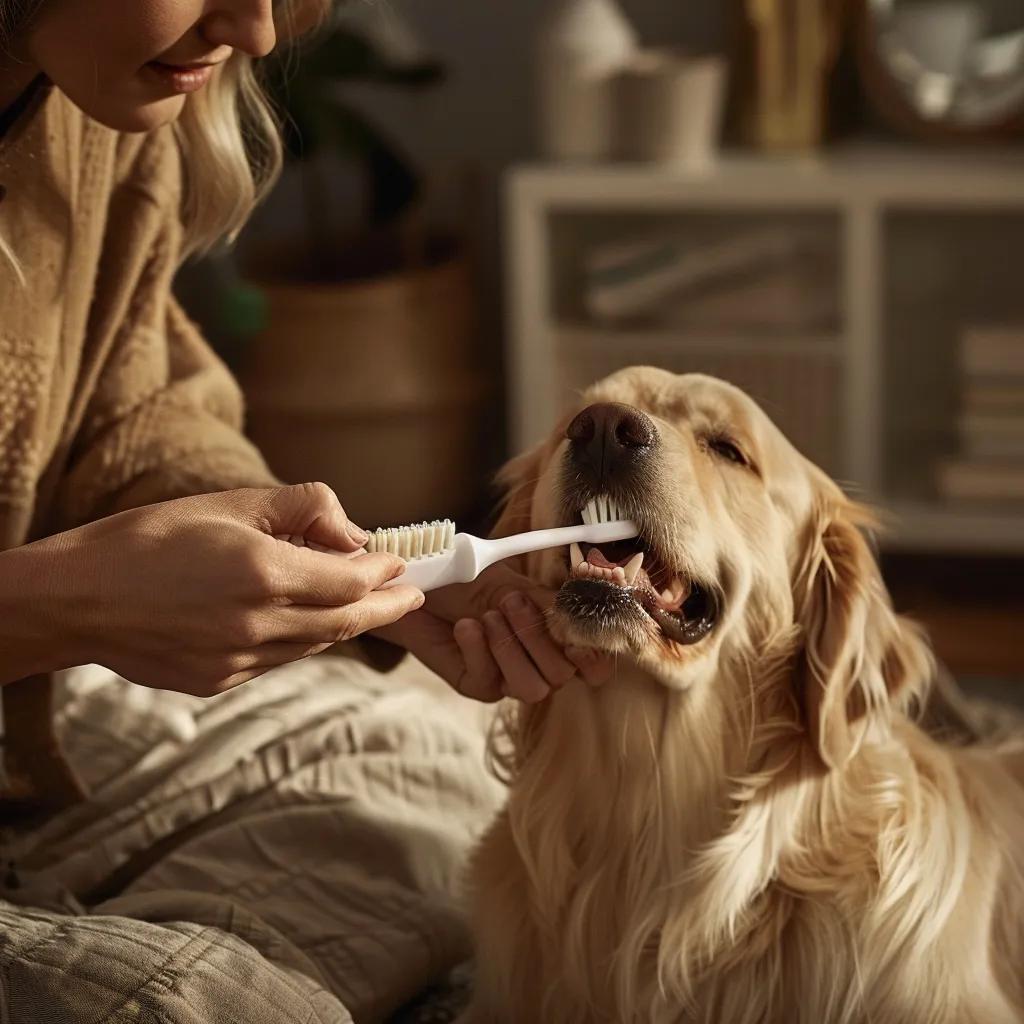

DIY Pet Teeth Cleaning: Vet‑Backed, Easy Tips to Clean Your Dog or Cat’s Teeth at Home
Keeping your pet’s mouth clean at home prevents pain, infections, and costly procedures down the road. Regular at‑home care reduces plaque and slows tartar, making oral hygiene a cornerstone of preventive pet health. This guide packs practical, veterinarian‑informed DIY pet teeth cleaning tips so you can feel confident brushing dog and cat teeth at home, picking the right tools, spotting warning signs, and knowing when to ask a pro for help. Simple, consistent routines—done the right way—help freshen breath, protect gums, and lower the chance of periodontal disease that affects whole‑body health. Read on for brushing frequency, the best brushes and pastes, step‑by‑step tips for nervous or older pets, safe natural supports, how to triage problems, and realistic cost comparisons for professional care. We use clear lists, comparison tables, and gradual behavior strategies so busy owners and anxious pets can build a routine that works. Keywords like DIY pet teeth cleaning tips, how to clean dog teeth at home, and teeth brushing for anxious pets are woven naturally to help you find practical answers.
How Often Should You Clean Your Pet’s Teeth for Optimal Dental Health?
How often you clean matters most: daily brushing is ideal because it physically removes plaque before it hardens into tartar and lowers bacteria at the gumline. Daily care gives the best protection against gingivitis and periodontal disease, but realistic routines—every other day or three times a week—still slow progression and are far better than nothing. Frequency should change with age, breed, and dental history: puppies and kittens do best with short, frequent sessions to build tolerance; adults benefit from steady maintenance; seniors may need extra attention if gums recede or tartar builds. Make brushing easier by keeping sessions short, using positive rewards, and pairing brushing with a daily habit like mealtime or bedtime. Below are practical schedules to help you turn this guideline into a routine that fits your life.
What Is the Recommended Brushing Schedule for Dogs and Cats?
Veterinarians recommend daily brushing because it prevents plaque from mineralizing into tartar and reduces the bacteria that cause bad breath and gum inflammation. For many busy households, brushing three times a week combined with VOHC‑approved chews on other days still gives measurable benefit; aim for 1–2 minutes per session focused on outer surfaces and the gumline. Puppies and kittens need very short, positive sessions (15–30 seconds) several times a day to get comfortable, then slowly work up to full sessions over a few weeks. Seniors or pets with periodontal disease may need more frequent checks and, if tolerated, daily brushing. The goal is steady mechanical plaque removal, not sporadic deep cleaning. Small, consistent steps make it easier to teach technique and calm nervous pets.
Research shows diet and home oral hygiene strongly affect cats’ and dogs’ oral health.
Impact of Home Oral Hygiene on Cat and Dog Dental Health
ABSTRACT: Multiple factors shape oral health in cats and dogs. This large survey examined the role of diet and home oral care by evaluating 17,184 dogs and 6,371 cats seen at more than 700 Polish veterinary clinics during 2006–2007 (Pet Smile project, Polish Small Animal Veterinary Association). Animals received conscious exams to score dental deposits, mandibular lymph node size, and gingival health. An oral health index (OHI) from 0 (good) to 8 (poor) combined those findings. Owners reported age, diet, and home oral hygiene. The study found a significant diet effect on OHI (P < 0.001), with home‑prepared diets linked to a higher probability of oral health problems.
Can Occasional Cleaning Prevent Plaque and Tartar Buildup?
Occasional cleaning will remove soft plaque and freshen breath short‑term, but it’s less effective at stopping tartar long‑term because plaque mineralizes quickly if left in place. If “occasional” means weekly or monthly, expect better comfort and fresher breath but little reversal of existing tartar—professional scaling is needed once tartar is present. For pets that don’t build much plaque, occasional brushing plus VOHC chews and water additives can help between veterinary cleanings, but watch for worsening signs. If bad breath, bleeding gums, or reluctance to eat appear despite occasional care, step up treatment promptly; the next section covers the tools that make frequent cleaning realistic and effective.
What Are the Best Tools and Products for DIY Pet Teeth Cleaning?
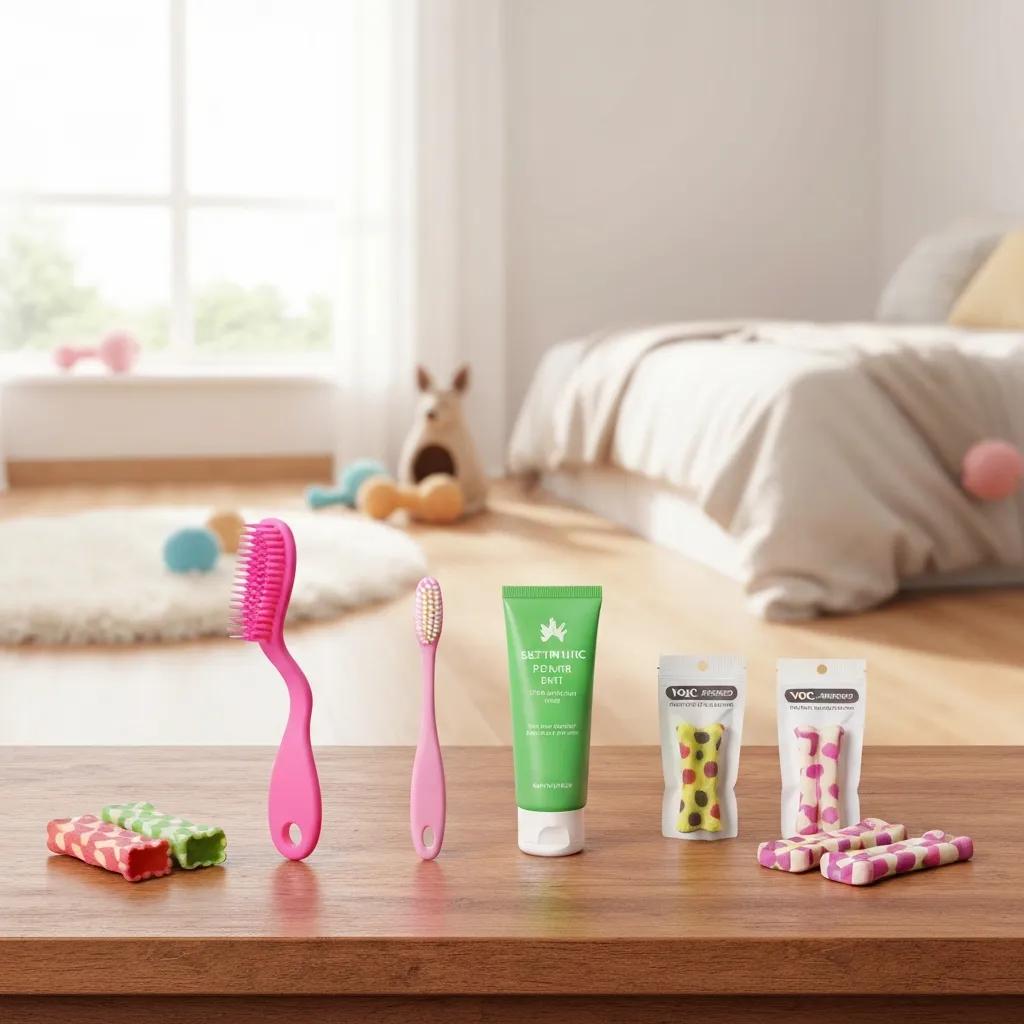
Good at‑home dental care relies on three basics: the right brush, pet‑safe toothpaste, and helpful adjuncts like chews or toys that reduce plaque. Choose tools by mouth size, behavior, and tolerance—small angled brushes and finger brushes work well for tiny mouths or anxious pets, while larger ergonomic brushes suit medium and big dogs. Use enzymatic toothpastes made for pets; they help break down plaque proteins, don’t contain fluoride, and are safe to swallow. Avoid human toothpaste. Add VOHC‑approved dental chews or textured rubber toys for extra abrasive action between brushings. Below is a practical comparison to guide your choice by VOHC status, type, and best‑use cases.
| Tool / Product | Key Attribute | Practical Value |
|---|---|---|
| Finger brush | Type: soft silicone | Best for small pets and early desensitization; easy to introduce |
| Angled pet toothbrush | Type: soft bristles, angled head | Effective for reaching molars in medium-large dogs; ergonomic for owners |
| Enzymatic pet toothpaste | Attribute: pet-safe enzymes | Breaks down plaque proteins; safe to swallow and palatable for most pets |
| VOHC-approved dental chew | Attribute: tested for plaque reduction | Adjunct mechanical cleaning; useful for dogs that resist brushing |
Which Dog Toothbrushes and Toothpastes Are Most Effective?
Soft‑bristled, pet‑specific brushes—angled brushes or finger brushes—work best because they fit the mouth, reduce gum irritation, and let you use gentle, targeted strokes along the gumline. Finger brushes can be less intimidating for small dogs, cats, or animals new to brushing, and they help you control pressure. Enzymatic pet toothpastes are recommended: enzymes help break down plaque, they’re safe to swallow, and flavors like poultry or fish make pets more willing to accept brushing. Match brush size to your pet’s mouth and spend 60–120 seconds per session disrupting plaque. Once you have the right tools, add VOHC chews or safe natural options to complement brushing.
What Are the Benefits of VOHC-Approved Dental Chews and Natural Alternatives?
The VOHC seal means a chew met standards for reducing plaque and/or tartar in clinical testing, so these chews are a reliable adjunct to brushing for chewers. Chews offer abrasive texture and chewing time that remove some plaque, boost saliva, and slow mineralization when used as directed. Natural options—carrots, certain dental‑safe treats, or coconut oil—can help by encouraging chewing or offering mild antibacterial effects, but they usually lack standardized testing and should be treated as supplements. Avoid raw weight‑bearing bones or very hard items that risk tooth fractures; natural treats are safest when part of a broader routine that includes brushing and periodic professional checks. Knowing the strengths and limits of each tool helps you build a plan that fits your pet.
How to Brush Your Dog’s and Cat’s Teeth at Home: Step-by-Step Techniques
Good technique blends the right posture, gentle motions, and gradual desensitization so your pet accepts care without stress. Aim to remove plaque at the gumline with short, steady strokes and positive reinforcement. Start by making the brush and paste positive—let your pet sniff and taste the paste—then practice touching the muzzle, lifting lips, and finally brushing small spots for 10–20 seconds before increasing time. Focus on outer surfaces where plaque builds most—the cheek teeth and gumline—using a 45° angle and small circular motions to loosen plaque without injuring gums. Stop if your pet shows distress and consult a professional for alternatives if tolerance doesn’t improve. The steps below lay out a gradual plan to build comfort and skill.
- Introduce tools: Let your pet sniff the paste and brush; reward calm behavior with a small treat.
- Handle tolerance: Gently lift lips and touch the teeth with your finger for several short sessions.
- Short brush sessions: Use a finger brush for 10–20 seconds per side initially, praising after each try.
- Increase duration: Gradually extend to 60–90 seconds total, focusing on outer molars and gumline.
- Reinforce regularly: End sessions with a favorite toy or treat to create a positive association.
This staged approach builds acceptance and effectiveness. The next sections cover safe technique details and stress‑free strategies for anxious pets.
What Is the Proper Technique for Brushing Dog Teeth Safely?
Position your pet comfortably—on your lap, a stable table, or standing—with gentle restraint to prevent sudden moves. Use small circular strokes aimed at the gumline to lift plaque. Hold the brush at about a 45° angle and use light pressure; hard scrubbing can damage enamel and gums and make pets hate brushing. Start with outer surfaces—pets tolerate those best—and focus on common trouble spots like the upper molars in dogs. Avoid human toothpaste, heavy pressure, and long sessions too soon. Correcting these mistakes prevents injury and makes brushing easier for both of you. Good technique lowers the chance you’ll need emergency professional care and prepares you to act if disease appears.
How Do You Make Teeth Brushing a Stress-Free Experience for Anxious Pets?

Reduce stress with slow desensitization, predictable routines, and immediate rewards: keep sessions short, praise or treat right away, and brush in a quiet place to lower excitement. Consider pheromone diffusers, calming wraps, or a favorite mat to create a familiar spot. Pair face‑touching with treats before ever bringing out the brush, and never force a long session—stop while your pet is still willing. For elderly or mobility‑limited pets, adjust posture and support the head gently; if brushing is too hard physically, try dental wipes or sprays and work with your vet on a plan. If attempts cause rising stress, stop and get professional help to avoid trauma. The next section explains what warning signs mean and when to seek expert care.
What Are the Common Signs of Dental Disease in Pets and When to Act?
Dental problems run from early plaque and bad breath to advanced periodontal disease with pain and systemic effects. Early detection comes from watching breath odor, gum color, tartar, and eating habits. Do quick oral checks by lifting the lips to look for red or swollen gums, brown or yellow tartar, loose teeth, or signs of pain like pawing at the mouth. If these signs come with lethargy, weight loss, or excessive drooling, get a professional check—oral infections can affect the heart and kidneys over time. Below are common signs to watch and what they may mean, followed by guidance on DIY vs. professional care.
- Bad breath (halitosis): Often the earliest sign of bacterial overgrowth and plaque.
- Yellow/brown deposits (tartar): Mineralized plaque that brushing may not remove.
- Red/swollen gums or bleeding: Suggests gingivitis and active inflammation that needs attention.
- Difficulty eating or dropping food: Can indicate pain, loose teeth, or advanced periodontal disease.
Watch these signals to decide whether home care is enough or if you should escalate to professional cleaning. Persistent tartar, bleeding, or signs of pain mean DIY care won’t be enough—schedule professional services for safe, thorough treatment. Clear information about dental options builds trust and helps owners book the right care.
How to Recognize Early Symptoms Like Bad Breath and Gum Inflammation
Breath that smells like decay or ammonia rather than recent food often signals bacterial overgrowth and should prompt a closer look. Gums that are red, swollen, or bleed with gentle pressure point to gingivitis—the reversible early stage of periodontal disease—where focused home care plus a vet check can halt progress. Safely check your pet’s mouth by lifting the lips during calm moments and, if needed, using a flashlight to spot tartar along the gumline. Track changes over weeks to spot trends. If inflammation continues despite better home care, get a professional exam—chronic gingivitis can lead to irreversible tissue and bone loss. Spotting early signs gives you clear thresholds for when to seek professional help.
When Should You Seek Professional Dental Cleaning Services?
Book a professional cleaning when tartar is widespread, gums bleed regularly, teeth look loose, or your pet shows pain—dropping food, stopping while chewing, or changing appetite. Advanced cases often need scaling, polishing, and sometimes extractions—procedures unsafe to do at home. Delaying care raises infection risk and treatment complexity. Mobile and in‑clinic options both have advantages: some pets do best with mobile, in‑home services that avoid transport stress, while others need veterinary anesthesia for deep cleaning or extractions. For anxious animals, mobile teeth brushing and topical care can be a gentle bridge between home routines and full veterinary treatment. Clear, practical guidance helps owners choose the right path and book appointments when needed.
What Natural and Alternative Methods Can Support Pet Dental Health?
Natural and alternative approaches can support brushing by reducing bacteria or encouraging chewing, but they’re supplements—not replacements—for regular brushing and vet checks. Crunchy veggies like carrots promote chewing and can remove soft plaque through abrasion; coconut oil has mild antimicrobial properties and is sometimes used to improve breath, though strong clinical evidence is limited. Raw bones and very hard chews can abrade teeth but bring fracture and choking risks, so they’re often discouraged for pets with fragile teeth. Water additives and dental sprays can lower bacterial counts and freshen breath; choose VOHC‑approved products when available. The table below lays out common natural methods, how they work, and safety notes so you can add safe supports to your routine.
| Natural Method | Mechanism / Safety | Efficacy / When to Avoid |
|---|---|---|
| Carrots / crunchy vegetables | Mechanical abrasion; safe for most pets | Modest plaque reduction; avoid for small dogs with choking risk |
| Coconut oil | Mild antimicrobial topical action | May improve breath; limited clinical evidence; avoid if allergic |
| Raw bones | Abrasive cleaning via chewing | Potential for tooth fractures and GI risk; avoid for fragile teeth |
| Water additives | Bacterial load reduction | Adjunct help; select VOHC-approved where available |
How Do Coconut Oil, Carrots, and Raw Bones Help Clean Pet Teeth?
Crunchy veggies like carrots act as a light abrasive and stimulate saliva, which helps naturally clean teeth between brushings. Coconut oil contains medium‑chain fatty acids with mild antimicrobial effects and is sometimes applied to gums or mixed into treats to freshen breath, though high‑quality clinical proof is limited. Raw bones may scrub teeth for some dogs but carry real risks—broken teeth, blockages, and splinters—so many vets recommend safer chew toys or VOHC chews instead. Use natural options carefully, watch for problems, and always treat them as complements to brushing rather than replacements. Safety and product choice matter more than trends.
Are Water Additives and Dental Sprays Effective for At-Home Use?
Water additives and dental sprays can lower oral bacteria and freshen breath when used regularly. They’re useful adjuncts to mechanical brushing, not substitutes—expect modest plaque reductions rather than dramatic tartar removal. Pick products with demonstrated efficacy or VOHC approval where possible. Sprays are handy for pets who won’t allow a brush, letting you target the gumline and between teeth, but follow directions and watch for irritation. When used as part of a layered routine—brushing, chews, and periodic professional checks—additives and sprays make at‑home maintenance more achievable for reluctant or older pets.
How Much Does Professional Mobile Pet Teeth Cleaning Cost and Why Is It Worth It?
Professional dental prices vary by service type and needed procedures. Veterinary anesthetic cleanings cost more because they include diagnostics, anesthesia, and potential extractions. Non‑anesthetic or mobile grooming dental services usually have lower base prices for topical scaling, brushing, and superficial tartar removal. The value is the same: professionals provide full oral assessment, safe removal of mineralized tartar, pain control, and treatment for infections that home care can’t fix. Untreated dental disease can affect overall health, so timely professional care is often cost‑effective long term. The table below compares service types, typical price ranges, and what each includes to help you pick the right option. For McKinney, TX owners, mobile services offer convenience and a calmer setting for anxious pets.
| Service Type | Typical Price Range | What Is Included / Suitability |
|---|---|---|
| Veterinary anesthetic cleaning | $300–$1,200+ | Full scaling/polishing, diagnostics, possible extractions; best for advanced disease |
| Non-anesthetic professional cleaning | $100–$400 | Superficial scaling and polishing for mild tartar; not for extractions or deep cleaning |
| Mobile grooming dental service | $80–$300 | Teeth brushing, topical scaling, and home-friendly care; suitable for stress-sensitive pets |
What Are the Typical Prices for Veterinary and Mobile Dental Cleanings?
National averages show veterinary anesthetic cleanings vary widely depending on diagnostics and procedures, while non‑anesthetic and mobile grooming dental services are generally less expensive because they focus on surface cleaning and brushing rather than deep subgingival work. Prices depend on disease severity, need for extractions, pre‑op labs, and regional differences—anesthesia and surgery are the biggest cost drivers. Mobile grooming dental services often provide transparent, appointment‑based pricing for routine brushing and light scaling and can be a cost‑effective maintenance plan for pets who need frequent, low‑stress care. Knowing these ranges helps you budget and choose the service model that fits your pet’s needs and temperament.
How Does Woof Woof Mobile Grooming Provide Convenient, Stress-Free Dental Care?
Woof Woof Mobile Grooming offers a Teeth Brushing and Dental Care service in McKinney, TX. Our mobile setup brings calm, one‑on‑one care to your driveway, removing transport stress and making routine brushing and topical dental work easier for nervous, older, or mobility‑limited pets. For owners who want a middle ground between DIY and full veterinary cleanings, mobile dental visits can reduce stress and boost regular care. We aim to give clear options so you can choose the right path and feel confident booking an appointment.
Frequently Asked Questions
What are the signs that my pet may need professional dental care?
Look for persistent bad breath, visible tartar, swollen or bleeding gums, and trouble eating. If your pet paws at their mouth, drops food, or seems in pain, schedule a veterinary exam. Early care prevents worse problems and can protect your pet’s overall health.
Can I use human toothpaste for my pet’s dental care?
No—don’t use human toothpaste. It often contains fluoride and other ingredients that are unsafe if swallowed. Choose enzymatic toothpastes made for pets; they’re safe to swallow and formulated to help break down plaque. Flavored options also make brushing easier.
How can I help my pet get used to having their teeth brushed?
Start slow with desensitization. Let your pet sniff the brush and toothpaste, touch their lips and teeth with your finger, and reward calm behavior. Move to short brushing sessions with a finger brush, praising often. Keep sessions short and positive so your pet learns to enjoy—or at least tolerate—the routine.
Are there any natural remedies to support my pet’s dental health?
Yes—some natural options can help. Crunchy veggies like carrots can scrape soft plaque, and coconut oil may have mild antibacterial effects. But natural methods are supplements, not replacements for brushing and vet care. Always check with your vet before adding new foods or treatments.
What should I do if my pet resists teeth brushing?
Stay patient and switch to gentler options: try a finger brush or soft cloth, then slowly introduce a toothbrush. Use treats and praise. If resistance continues, consider dental wipes, sprays, or professional help—your vet can recommend alternatives that suit your pet’s temperament.
How do I choose the right dental products for my pet?
Pick products made for animals and look for VOHC approval when possible. Match brush size to your pet—finger brushes for small pets, angled handles for larger dogs—and choose palatable toothpaste flavors. Ask your veterinarian for product recommendations tailored to your pet.
What are the benefits of regular dental care for pets?
Regular dental care prevents plaque and tartar buildup, lowers the risk of periodontal disease, and reduces painful problems that can affect the heart and kidneys. It also improves breath and comfort—leading to a healthier, happier pet.
Conclusion
A steady at‑home dental routine can make a real difference in your pet’s oral and overall health. With the right tools, gentle technique, and realistic expectations, you’ll help your furry friend enjoy fresher breath and healthier gums. Don’t wait for problems—start a simple brushing habit today and combine it with professional cleanings when needed. Browse our pet dental products and mobile services to find the support that fits your life and keeps your pet smiling.