
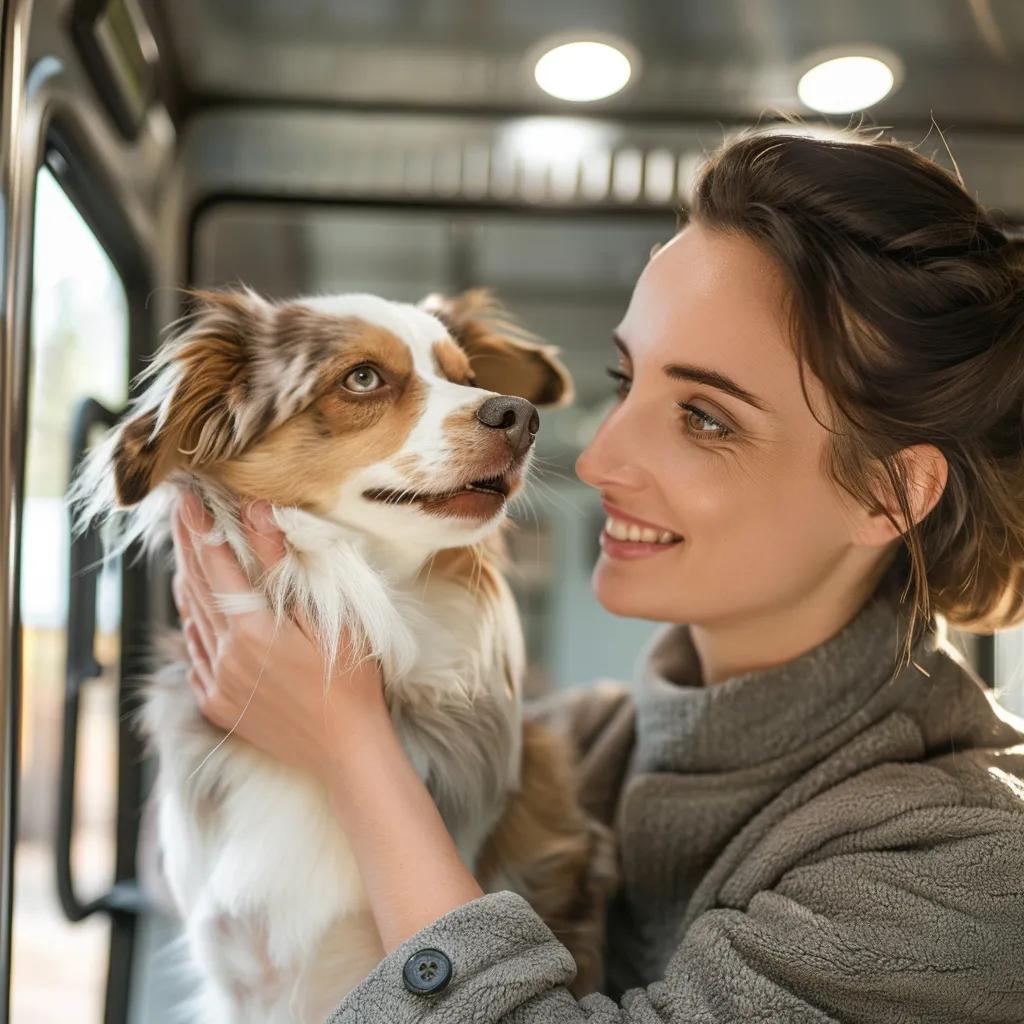
5 Ways Mobile Groomers Keep Your Pet Safe and Comfortable
Mobile grooming brings professional care right to your door, cutting out stressful travel and focusing on your pet’s comfort and safety. Below we walk through five essential practices mobile groomers use—thorough sanitation, gentle handling, a familiar cage-free setting, purpose-built equipment with routine checks, and clear emergency communication—to keep pets healthy and calm during their visit. Those practices work together: careful cleaning lowers infection risk, one-on-one attention eases anxiety, and purpose-built vans and tools reduce accidents while improving results. If your dog is nervous or a senior, knowing how groomers operate helps you choose someone who truly protects both comfort and safety. Woof Woof Mobile Grooming in McKinney, TX follows these priorities—convenient doorstep service paired with experienced, compassionate care—and you can book an appointment to tell us about your pet and schedule a personalized session.
How do mobile groomers keep vans and tools clean so pets stay safe?
Mobile groomers use simple, repeatable cleaning routines to prevent cross-contamination and limit exposure to germs. That means disinfecting tools between pets, wiping surfaces, and handling linens carefully so each animal rides in a clean van. Proper water-system care and frequent towel washing help reduce microbial build-up, and good ventilation and drying stop moisture that lets bacteria grow. These hygiene habits are about keeping pets healthy before, during, and after grooming—and they lead directly into the daily steps groomers take to sanitize equipment and the van.
What sanitization steps prevent disease spread?
Sanitization focuses on removing risk, disinfecting high-touch items, and keeping a record so nothing is missed. Groomers clean clippers, blades, scissors, and combs between appointments, allowing the disinfectant the correct contact time, then store sanitized tools in a clearly labeled container. Tables, van floors, and counters get wiped with pet-safe disinfectant after each visit and receive a deeper clean at day’s end. If a pet shows signs of skin infection or parasites, the animal is isolated, additional PPE and disposal steps are taken, and extra sanitizing is scheduled to protect other clients.
The core sanitization steps groomers complete between appointments:
- Clear away loose hair and debris from tools and surfaces right after a session.
- Apply a pet‑safe disinfectant and respect the manufacturer’s contact time on tools and table surfaces.
- Rinse or wipe items that require dilution, then let them air‑dry to avoid residue.
- Swap out towels and linens after each pet; launder on hot cycles when the fabric allows.
- Log completed cleaning tasks and flag any equipment that needs service.
Following these routines creates a dependable hygiene workflow that cuts pathogen transmission and keeps the van ready for the next pet.
Which pet-safe disinfectants and cleaning methods protect my dog?
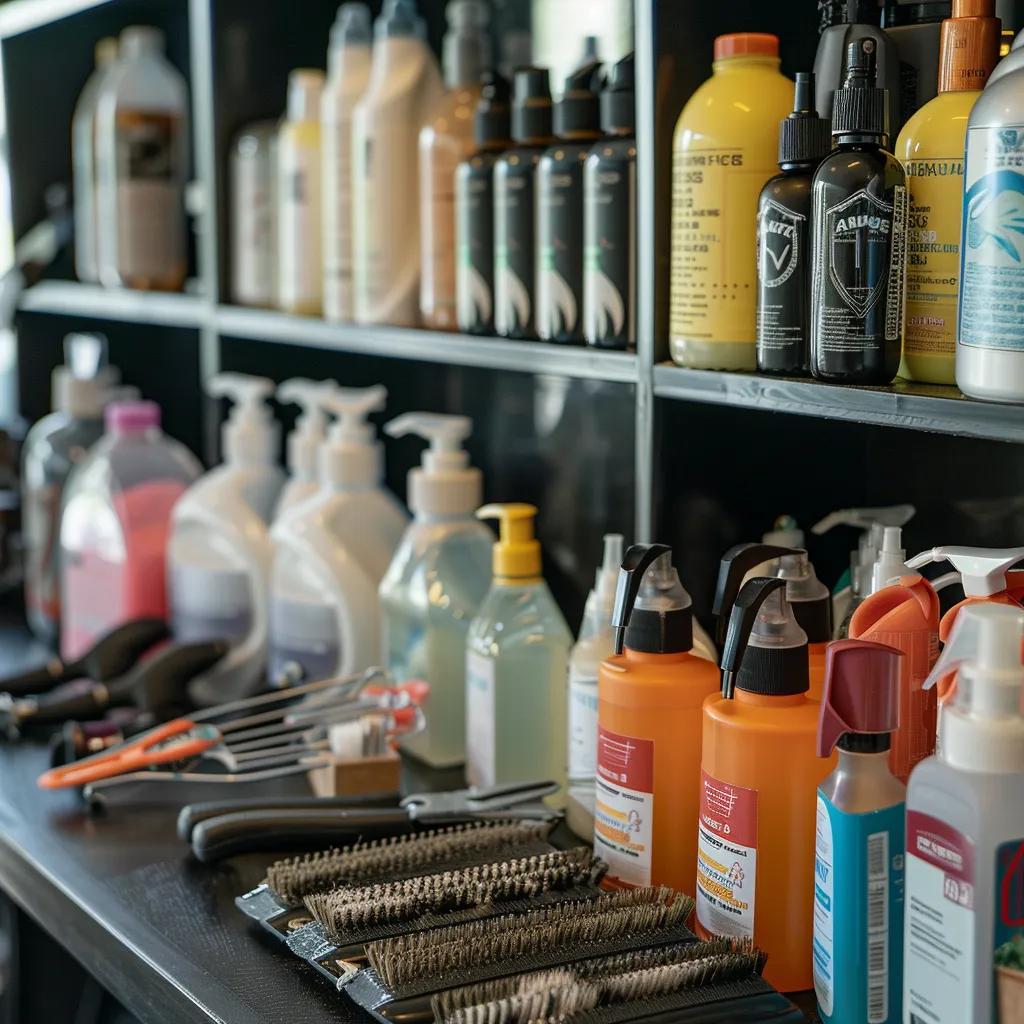
Picking disinfectants is a balance between killing germs and keeping animals safe—pet-safe choices are usually EPA‑registered or veterinary‑grade, used at the correct dilution and contact time. Proper use means following directions, rinsing when needed, and avoiding skin contact before a pet’s bath. Non-chemical options like steam cleaning floors or heat-based tool sterilizers cut chemical residue while still tackling microbes. Groomers also rotate products and test small areas to avoid reactions, keeping cleaning effective but gentle for pets.
| Cleaning Element | Key Safety Attribute | Frequency / Method |
|---|---|---|
| Clippers & blades | Blade guard + full disinfection | Clean and disinfect between pets; lubricate and inspect weekly |
| Grooming table surface | Non-porous, easy-to-disinfect finish | Wipe with disinfectant after each pet; deep clean daily |
| Towels & linens | High-temp launderable fabric | Replace per session; launder on hot cycles daily |
This table shows how key cleaning items are managed to keep the grooming space sanitary without overexposing pets to chemicals.
How does gentle handling and personal attention make grooming safer and calmer?
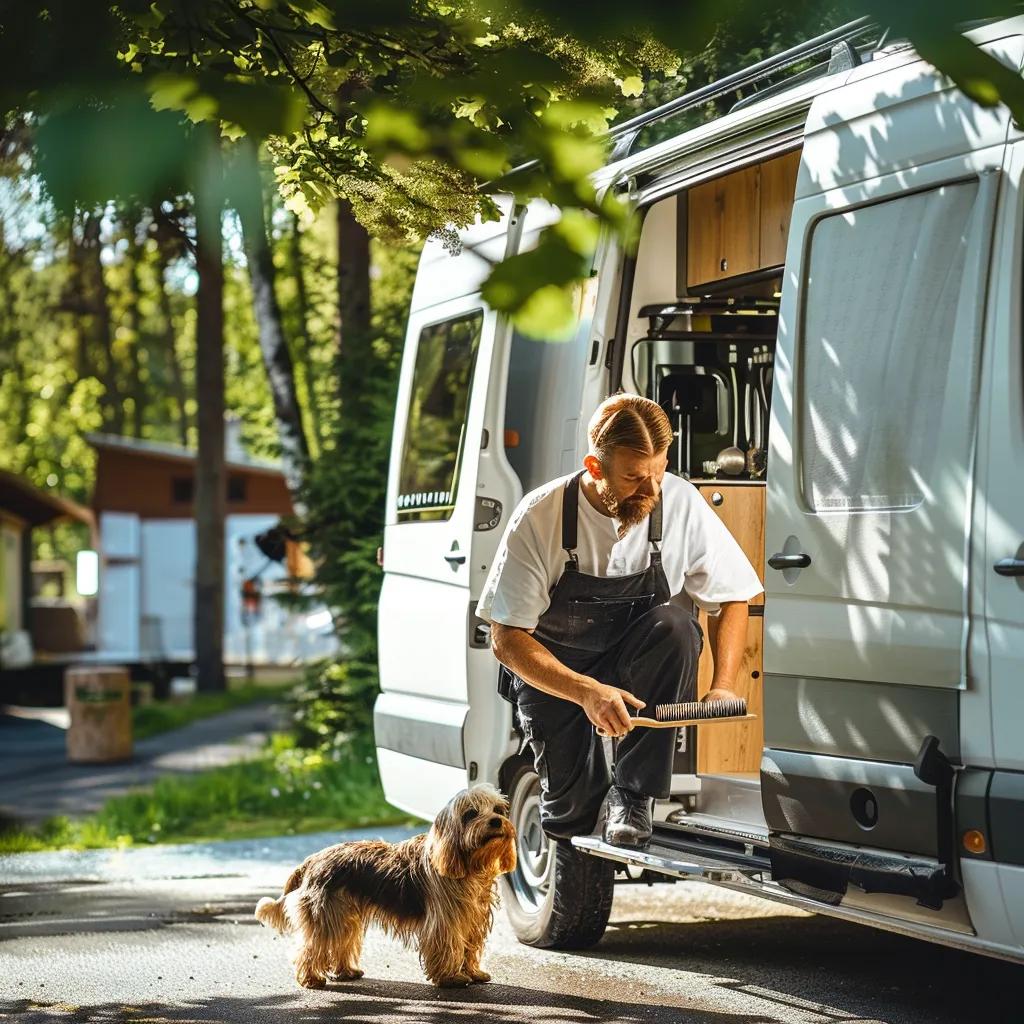
Gentle handling and focused attention lower stress and reduce reactive behavior by adjusting pace, touch, and technique to each pet. When groomers read body language, move slowly, and choose tools that suit the coat and skin, sessions become safer and often quicker, with fewer restraint incidents. Personalized care also lets groomers pause, reposition, or switch to a hand‑dry instead of a noisy dryer so nervous or fragile pets stay comfortable. Knowing these principles helps owners spot compassionate practices and understand why one-on-one care improves safety and results.
What techniques do groomers use to calm anxious pets?
Calming methods rely on predictable movement, positive rewards, and controlling the senses to reduce fear. Groomers use treats, quiet praise, and short rewards to build good associations, and they break the session into brief steps to avoid overwhelm. Low-noise dryers, soft padding, and pet‑friendly pheromone cleaners cut down startling stimuli and help pets relax. Groomers watch subtle cues—like lip‑licking or stiffening—and respond with breaks or a different approach to keep stress from escalating.
Common low-stress handling techniques include:
- Treat-based desensitization so tools and touch become positive.
- Short, focused sessions with planned breaks to reset comfort.
- Slow, deliberate movements and calm body language to prevent escalation.
Put together, these techniques and environment controls reduce anxiety and create safer grooming visits.
How is grooming adjusted for anxious or senior pets?
For anxious or senior animals, groomers slow the pace, use specialized tools, and bring comfort aids to protect fragile bodies and lower stress. Seniors with arthritis often get towel-assisted baths, lower tables, gentler trims, and minimal standing time. Anxious dogs benefit from pre-visit conditioning tips, shorter appointment windows, calming wraps, and quiet tools—like silent clippers and hand-drying—to avoid noise triggers. Groomers record each pet’s tolerances and preferences so future visits build on previous successes, improving cooperation and reducing health risks over time.
| Pet Profile | Adjustment | Purpose |
|---|---|---|
| Senior dog | Shorter sessions, towel-dry, soft bedding | Reduce joint strain and avoid long standing |
| Anxious dog | Silent tools, frequent breaks, treats | Lower stress and build positive associations |
| Skin-compromised pet | Blunt scissors, specialized blades, minimal contact | Prevent nicks and irritation |
This quick mapping shows how intake information and observations shape practical grooming choices that prioritize safety.
Why does a familiar, stress-free environment matter in mobile grooming?
Being groomed at home removes many stressors found in traditional salons—car rides, strange animals, and busy waiting rooms—so pets stay calmer and are easier to work with. Mobile grooming delivers quiet, one-on-one care in a cage‑free van, reducing exposure to other animals and loud noises that trigger fear. A predictable, stable setting helps dogs conserve energy and lowers cortisol spikes, which makes handling safer and tasks like nail trims less risky. That’s why many owners pick mobile grooming for anxious or medically fragile pets.
How does grooming at home cut travel stress for pets?
Skipping transport removes triggers like motion sickness, car anxiety, and separation from home that can raise stress hormones and cause defensive behavior. When a groomer comes to your door, your dog stays in familiar surroundings—often with you nearby for comfort—so there’s less settling time and more time focused on grooming care. Those changes reduce the chance of stress-related incidents and make visits safer for both pet and groomer.
Travel-related stressors avoided with mobile grooming:
- Motion-induced nausea and agitation from car rides.
- Separation-related vocalizing and pacing in waiting rooms.
- Exposure to other animals that may carry parasites or trigger reactivity.
Removing travel reduces risk and helps create calmer, safer grooming outcomes.
What features make a quiet, cage-free mobile grooming space safer?
Safe, cage-free mobile grooming relies on secure but gentle restraint systems, non-slip surfaces, and climate control to prevent slips, overheating, or chills. Quiet dryers, cushioned padding, and good odor control lower sensory overload, while adjustable harnesses keep animals steady without harsh confinement. A thoughtfully laid‑out van lets groomers move around pets safely and change positioning quickly if the animal shows discomfort. These design choices reduce accidents and support calmer handling that improves safety and comfort.
| Van Feature | Safety Attribute | Grooming Practice |
|---|---|---|
| Non-slip flooring | Prevents slips and stabilizes pet | Clean and inspect daily |
| Climate control | Maintains comfortable temperature | Monitor during bathing/drying |
| Adjustable restraint system | Secure without force | Use short, humane restraints as needed |
This table explains how van features and grooming choices work together to create a calm, safe workspace.
What equipment and safety checks keep mobile grooming reliable?
Professional groomers choose equipment built for pet safety—adjustable tables, low-noise temperature-controlled dryers, rounded scissors, and clippers with guards—to reduce injury and discomfort. Regular inspections and maintenance cut the chance of a malfunction that could cause nicks, overheating, or electrical problems. The right gear also improves comfort (non-slip mats, cushioned bedding) and speeds up procedures, which limits stress time for pets. Equipment safeguards plus thoughtful handling create reliable, secure grooming sessions.
Which professional tools help ensure a safe, comfortable groom?
Essential tools include adjustable grooming tables with harness points, clippers with guarded blades for different coat types, and low‑vibration, quiet dryers with temperature control. Each tool contributes to safety—tables stabilize posture, guarded blades protect thin skin, and thermostat dryers prevent burns. Groomers match equipment to a pet’s size, coat, and tolerance, choosing gentler options for skittish or senior animals. The right tools and handling reduce accidents and make visits smoother.
Essential equipment checklist for safe mobile grooming:
- Adjustable, lockable grooming table with a non-slip mat.
- Multiple clipper blade sizes with guards and cushioned handpieces.
- Low-noise, thermostat-controlled dryer and quiet airflow systems.
Picking the right tools and matching them to each pet’s needs improves both safety and comfort during grooming.
How do groomers keep equipment and the van in good working order?
Maintenance follows a simple, regular schedule: quick daily checks, weekly tool servicing, and monthly van systems inspections. Groomers look for dull or damaged blades, test dryers for steady temperature and airflow, and confirm table locks and harness points work before each appointment. Records track when items were serviced or replaced so standards are documented. These routine checks lower the risk of in-session equipment failure and keep the grooming environment consistently safe.
| Equipment | Safety Check | Maintenance Frequency |
|---|---|---|
| Clippers | Blade sharpness and guard integrity | Daily visual; weekly sharpening/servicing |
| Dryers | Thermostat and airflow function | Daily pre-use test; monthly professional check |
| Grooming table | Lock, mat condition, harness points | Pre-session inspection; monthly lubrication |
This maintenance table shows how regular checks keep tools reliable and safe for every pet.
How do mobile groomers communicate and prepare for emergencies?
Good communication starts with a thorough pre-visit intake that records health history, medications, past reactions, and behavioral triggers—details that shape the grooming plan. On-site, groomers do a quick wellness check, confirm special needs, and stay in touch with owners for consent and updates. Emergency readiness includes a stocked first-aid kit, clear rules for when to stop a session, and steps to contact a vet or the owner if a concerning sign appears. These practices make incidents easier to handle and help ensure quick, professional responses.
What info do groomers collect to personalize care and safety?
Groomers typically ask for age, medical conditions, current medications, past grooming reactions, and known behavioral triggers so they can tailor the session safely. That information leads to adjustments—shorter sessions for seniors, different products for sensitive skin, or closer monitoring for medicated pets—so the workflow changes in predictable, documented ways. Sharing recent vet notes or medication schedules when you book helps the groomer arrive prepared and plan a low-stress visit.
Intake items usually requested before a mobile appointment:
- Pet age, breed, and known medical conditions.
- Current medications and topical treatments.
- Behavioral notes: triggers, past bites, or anxiety signals.
Accurate intake details at booking let groomers set expectations and prepare emergency contingencies in advance.
What emergency protocols and first-aid steps are in place?
Mobile groomers use a clear response plan: assess the animal, stabilize basic issues (control bleeding, cool or warm as needed), then contact the owner and recommend veterinary care when necessary. First-aid kits include bandages, styptic for small cuts, and wound-cleaning supplies; groomers are trained to recognize red flags—severe bleeding, collapse, or trouble breathing—that require immediate vet attention. Incidents are documented and handled according to owner preferences for transport or vet contact. Clear rules for pausing or ending a session protect the pet and guide next steps toward professional care.
| Intake Item | Attribute Collected | Grooming Practice / Policy |
|---|---|---|
| Medical conditions | Specific diagnosis | Adjust session length; avoid contraindicated products |
| Medications | Drug name & dosing | Note interactions; monitor for reactions |
| Behavioral triggers | Aggression, fear cues | Use low-stress handling and plan for safe restraint |
This intake-to-practice mapping shows how collected details change the grooming workflow and emergency readiness.
What are the main benefits of mobile grooming for safety and comfort?
Mobile grooming lowers exposure to unfamiliar animals and busy salon environments, which reduces infection risk and stress-related reactions while delivering focused, personalized care. One-on-one attention helps groomers spot subtle signs of distress, adjust techniques quickly, and cut the chance of accidental nicks or restraint injuries. Doorstep service also saves owners time and keeps pets in familiar surroundings—especially helpful for anxious, elderly, or medically fragile animals. Together, these advantages create a safer, more comfortable grooming experience that fits modern expectations for compassionate, individualized care.
How does mobile grooming reduce anxiety versus traditional salons?
Mobile grooming removes three common stressors: travel motion and confinement, loud multi-animal rooms, and long waits in shared spaces—each of which can raise cortisol and trigger reactive behavior. Avoiding these stressors lowers the chance of motion sickness, separation anxiety, and problematic interactions with other animals. One-on-one care also makes gradual desensitization possible and lets owners be present for reassurance, so many dogs stay calmer than they would in a busy salon. These differences explain why mobile grooming is often recommended for anxious or senior pets.
Direct comparisons between mobile and salon grooming:
- Mobile: doorstep, one-on-one care; Salon: multi-pet, waiting rooms.
- Mobile: reduced noise and travel; Salon: higher exposure to other animals and noise.
- Mobile: tailored pacing and owner presence; Salon: scheduled group flow and limited personalization.
This side-by-side shows why mobile grooming often leads to lower anxiety and safer handling.
Why is one-on-one attention so important for safety?
Dedicated attention means continuous monitoring for small changes in breathing, posture, or skin that could signal distress or a medical issue. A single groomer focused on one pet can pause, reposition, or swap tools the moment discomfort appears, preventing escalation into injury. That vigilance reduces mistakes, helps catch health concerns early, and supports a pace that fits the pet’s needs. For owners, choosing a mobile groomer who prioritizes one-on-one care means fewer surprises and greater confidence that your pet’s safety and comfort come first.
For pet owners ready to schedule, Woof Woof Mobile Grooming in McKinney, TX offers full-service mobile grooming—trims and haircuts, several bathing options, nail care, teeth brushing, and ear cleaning—delivered with one-on-one attention and a focus on safety and comfort. When you book, share your pet’s medical history and behavioral notes so the groomer can prepare a tailored plan that maximizes safety and minimizes stress. If your dog is anxious or needs special handling, tell us at booking so we can bring the right tools and schedule the proper session length.
Frequently Asked Questions
What should I look for when choosing a mobile dog groomer?
Look for experience, certifications, and positive reviews from other pet owners. Ask about their cleaning routines, the equipment they use, and how they handle pets with special needs. A good groomer will explain how they calm anxious dogs and what emergency steps they follow. Clear communication, professional practices, and a willingness to personalize care are key signs you’ve found the right groomer.
How can I prepare my pet for a mobile grooming appointment?
Help your pet get comfortable with the groomer’s van if possible, and practice basic commands with treats to build positive associations. On appointment day, keep your pet calm and provide any behavior or health information to the groomer. Small steps beforehand make the visit smoother and less stressful for everyone.
What should I do if my pet shows signs of stress during grooming?
If your pet shows stress—heavy panting, whining, or trying to escape—tell the groomer right away. A professional will notice these cues and may take breaks, use calming techniques, or change tools. Stay calm yourself; pets pick up on owner anxiety. If needed, discuss shorter or different-style sessions for future visits.
Are there specific breeds that benefit more from mobile grooming?
All breeds can benefit from mobile grooming, but dogs with long or dense coats (like Poodles or Golden Retrievers) and pets prone to anxiety often see the biggest gains. Mobile grooming reduces travel and noisy environments, which helps anxious or senior animals. Talk with the groomer about your pet’s breed and coat needs so they can recommend the best care plan.
How often should I schedule mobile grooming for my pet?
Grooming frequency depends on breed, coat type, and individual needs. Long or thick coats often need grooming every 4–6 weeks, while short-haired breeds may be fine every 8–12 weeks. Activity level, skin health, and any medical concerns also affect timing—your groomer can recommend a schedule that keeps your pet comfortable and healthy.
What happens if my pet has a medical emergency during grooming?
Professional mobile groomers are trained to assess emergencies and act quickly. They carry a first-aid kit, stabilize basic issues, and contact the owner and a veterinarian as needed. Providing medical history and known conditions ahead of time helps the groomer respond effectively. Open communication about your pet’s health improves safety during appointments.
Conclusion
Mobile dog grooming combines safety and comfort by delivering personalized care in a familiar place. By reducing stressors and focusing on each pet’s needs, groomers can improve the experience while protecting health and wellbeing. If you’re considering mobile grooming, explore our services and book an appointment. Trust trained professionals who value a calm, safe grooming process for your pet.