
Pet Dental Care That Works: Simple, Vet-Backed Tips for Healthy Dog & Cat Teeth
Good oral care keeps pets comfortable and helps prevent long-term health problems. Periodontal disease is common in adult dogs and cats by middle age, but routine care makes a big difference. This guide gives practical, evidence-informed steps you can use at home to cut plaque, slow tartar build-up, and spot early warning signs before they turn into bigger issues. You’ll find why daily habits matter, step-by-step brushing methods for dogs and cats, VOHC-focused product guidance, when to seek professional help, and how to combine at-home work with pro care for lasting oral health. We keep the advice low-stress and realistic for anxious or older pets, and show how preventative professional services can support what you do at home. Read on for clear how-tos, helpful comparison charts, quick checklists, and straightforward info on anesthesia vs. non-anesthesia cleanings so you can make confident choices for your pet’s mouth.
Why Is Pet Dental Hygiene Important for Dogs and Cats?
Pet dental hygiene means the daily and weekly habits that stop plaque and tartar from building up and causing inflammation. Plaque is a sticky mix of bacteria, saliva proteins, and food debris that forms quickly after eating. Left alone, it hardens into tartar, which traps bacteria, irritates gums, and speeds tooth loss. Keeping your pet’s mouth cleaner lowers the number of harmful bacteria, reduces the chance of periodontal disease, and cuts the risk that oral bacteria could affect organs like the heart or kidneys. When you understand how these processes work, small daily actions start to make sense—and they can noticeably reduce the need for more invasive veterinary care.
Below we break down how dental disease develops so you can see exactly what you’re preventing with regular care.
What Are Plaque, Tartar, and Their Effects on Pet Oral Health?
Plaque is a soft, sticky film of bacteria and food that forms on teeth within hours. If it stays on the tooth, minerals in saliva cause it to calcify into tartar (also called calculus), which bonds to enamel and creates rough surfaces that invite more bacteria and irritate gums. Over time, plaque and tartar lead to gingival inflammation, pocketing around the tooth, and bone loss that can leave teeth loose or fractured. Early plaque and gingivitis usually respond well to improved home care; more advanced tartar and periodontal pockets generally need professional treatment to restore oral health.
Knowing how plaque and tartar form helps you recognize disease progression and act before problems become serious.
How Can Periodontal Disease Impact Your Pet’s Overall Health?
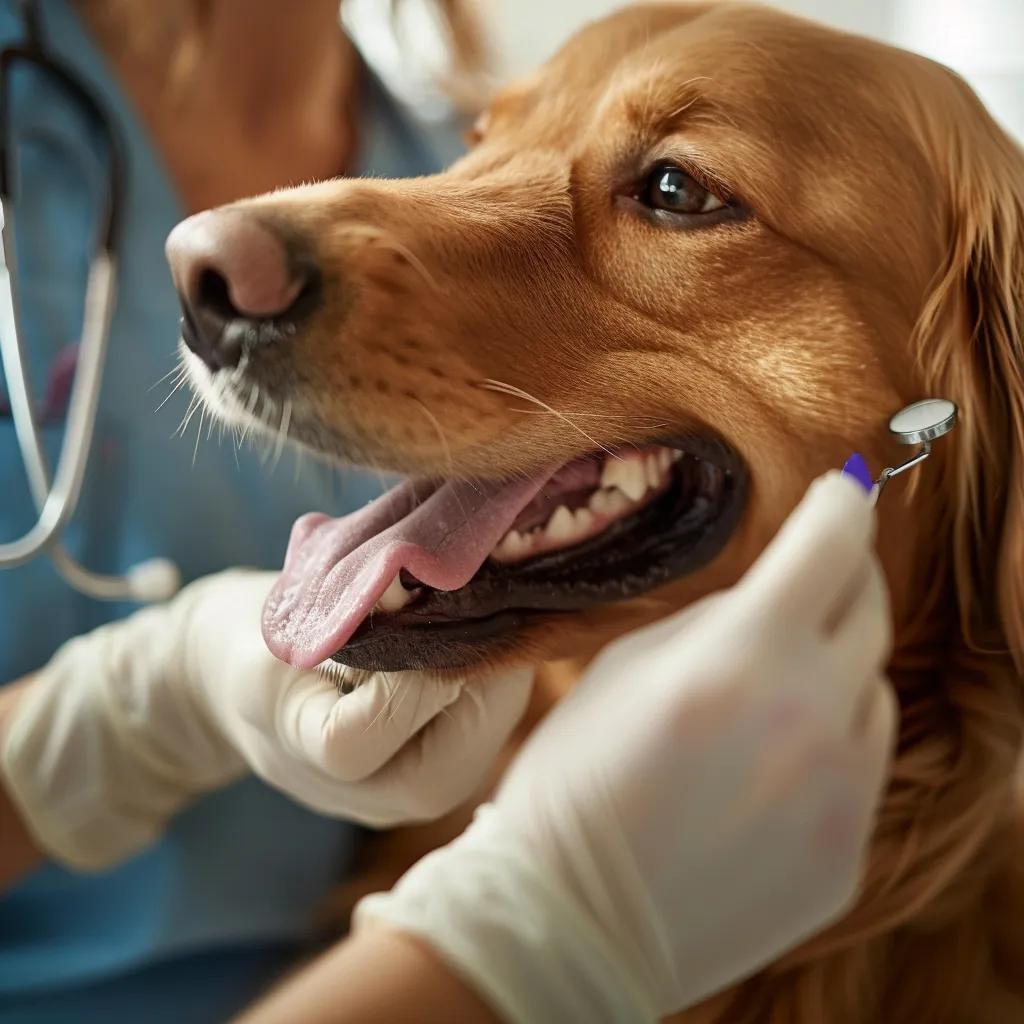
Periodontal disease starts as gingivitis and can progress to periodontitis, when infection destroys the tissues and bone that hold teeth in place. Chronic oral infection also fuels systemic inflammation and can let bacteria enter the bloodstream—research links that to risks for heart, kidney, and liver problems in vulnerable animals. Pets with advanced disease often lose weight, eat less, and act differently because of oral pain. Catching and treating periodontal disease early limits local damage and lowers the chance of broader health consequences—another reason prevention matters.
Understanding these systemic links helps you decide when home care is enough and when a vet exam is needed, which we cover later.
How Often Should You Brush Your Pet’s Teeth and What Are the Best Techniques?
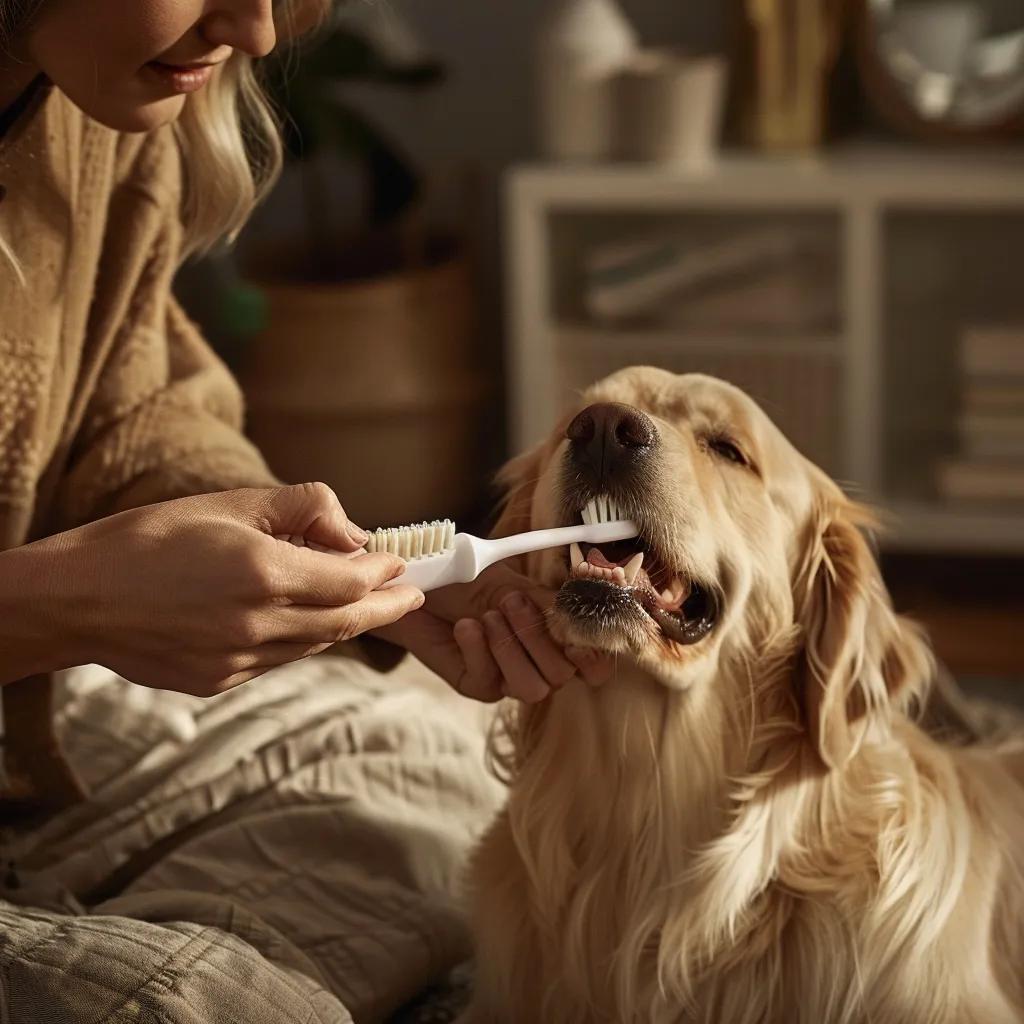
How often you brush plays a big role in plaque control. Daily brushing is ideal because it stops plaque before it hardens into tartar. If daily isn’t possible, aim for at least three to four times a week to make a real difference. Keep sessions short, use a gentle 45-degree angle at the gumline, and make small circular strokes across the outer tooth surfaces to lift biofilm without stressing your pet. For anxious animals, start with touch-and-treat steps: let them taste toothpaste, use a finger brush first, and build up slowly. Short, consistent sessions beat long, infrequent ones every time. Below is a simple three-step routine, plus practical tips for different temperaments.
This step-by-step plan helps you build a reliable brushing habit and reduce resistance over time.
- Prepare and Introduce: Pick a VOHC-approved pet toothpaste and let your pet sample it. Practice gentle lip lifts and brief tooth touches to make the process familiar.
- Brush in Short Intervals: Use a soft pet toothbrush at a 45-degree angle and make small circular motions across the outer tooth surfaces for about 30–60 seconds per side.
- Reward and Repeat: Finish with praise and a small approved chew or play session to create a positive reminder. Aim for daily brushing or at least 3–4× a week.
Those three steps create a repeatable habit. Short, steady sessions build tolerance and give real oral health benefits when combined with other preventive measures.
What Is the Step-by-Step Guide to Brushing Dog and Cat Teeth at Home?
Begin by building tolerance: over several days, gently handle the muzzle, lips, and teeth while offering a favorite treat so your pet associates the process with pleasant things. Next, introduce a VOHC-approved pet toothpaste by letting the pet lick a tiny amount. Keep body language calm and sessions short to avoid increasing anxiety. When you start brushing, position your pet for safety and comfort—small dogs on a lap or counter, cats on a stable surface—and use small circular motions at a 45-degree angle on outer tooth surfaces where plaque collects most. Keep total brushing under two minutes at first, end with a reward, and lengthen sessions gradually as your pet accepts the routine. Consistency and positive reinforcement are key, especially for anxious or older pets.
This gradual approach helps pets who resisted brushing before and makes regular home care achievable.
Which Toothbrushes and VOHC-Approved Toothpastes Are Best for Pets?
Pick tools that fit your pet’s size and tolerance. Silicone finger brushes are great for early desensitization and for very small dogs and cats. Double-headed or angled long-handle brushes make it easier to reach molars on medium and large dogs. Always use VOHC-approved toothpaste made for pets—these are palatable and safe to swallow; never use human fluoride toothpaste. For nervous pets, a soft silicone finger brush or a small angled brush reduces discomfort and speeds acceptance. Electric brushes with gentle vibration can work well for tolerant large breeds once they’re used to the feel. Match tools to your pet’s anatomy and comfort so brushing becomes sustainable.
Use the quick comparison below to help choose the right brush type and routine for your pet.
| Brush Type | Best for | Recommended Frequency/Technique |
|---|---|---|
| Finger brush (silicone) | Small dogs, cats, acclimation | Short daily sessions; ideal for first steps |
| Long-handle angled brush | Medium to large dogs | 3–7× weekly; use small circular motions to reach molars |
| Double-headed pet toothbrush | Various sizes, balanced cleaning | Daily or 3–4× weekly; use the head that fits the area |
| Electric soft-bristle brush | Tolerant large dogs | Daily for efficient plaque removal; introduce vibration slowly |
This comparison makes it easier to pick a brush that fits your pet and your routine—right tools reduce resistance and improve cleaning.
What Are the Most Effective At-Home Pet Dental Care Products and Practices?
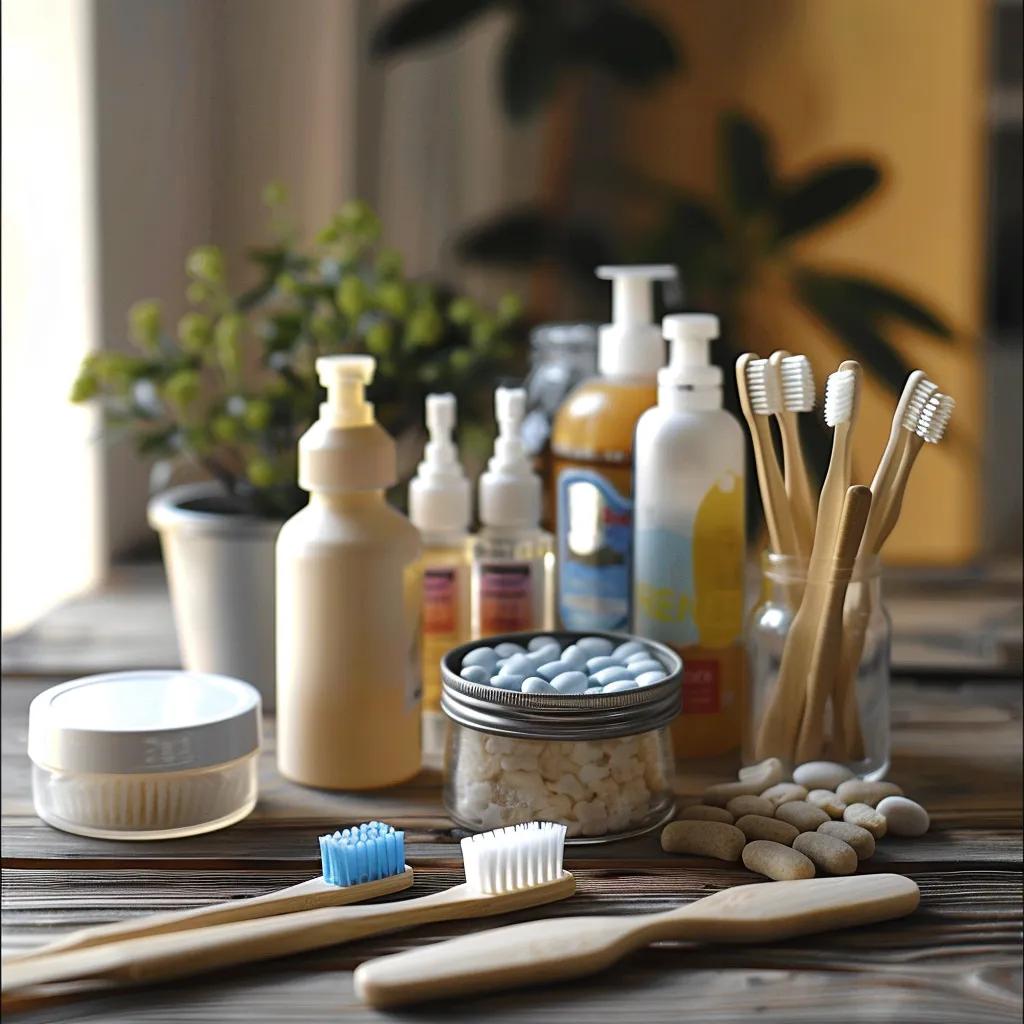
A solid at-home program layers mechanical cleaning (brushing) with vetted adjuncts—VOHC-approved chews, water additives, and gels—and diet choices that support oral health. VOHC-approved chews and treats offer mechanical abrasion that helps reduce plaque when used regularly, but brushing remains the most reliable way to prevent tartar. Water additives and gels can help for pets who won’t tolerate brushing, but they usually can’t remove existing tartar since they lack mechanical action. Choose VOHC-labeled products where possible and watch treat calories so you don’t create weight issues while improving oral health.
The table below compares common VOHC-approved categories so you can pick options that fit your pet and lifestyle.
| Product Category | VOHC Status | Primary Benefit |
|---|---|---|
| Chew-type dental treats | Often VOHC-approved | Mechanical plaque reduction through chewing |
| VOHC-approved toothpaste | VOHC-approved | Chemical plaque control; safe to swallow |
| Dental water additive | Mixed evidence, some VOHC options | Reduces bacterial load; use as an adjunct |
| Gel/Topical agents | Some formulations VOHC-approved | Chemical plaque targeting; supports brushing |
VOHC approval is a useful signal of measurable benefit. Chews and toothpaste work in different ways, so using them together gives the best results.
- VOHC-approved chews provide mechanical cleaning and can lower plaque when used regularly alongside brushing.
- Water additives are a low-effort option for uncooperative pets but should supplement—never replace—brushing.
- Gels can soothe gums and reduce bacteria locally but won’t remove tartar on their own.
Put brushing first, and use VOHC-backed products as helpful extras to improve outcomes.
How Do VOHC-Approved Dental Chews and Treats Help Prevent Dental Disease?
VOHC-approved chews are tested for plaque and/or tartar reduction. They work mainly through mechanical abrasion—the chewing action scrapes tooth surfaces. Regular use of a chew sized and textured for your pet can slow tartar formation, but chews work best when paired with brushing, not used as a sole solution. Be mindful of calorie counts and supervise chews to avoid choking, choosing textures suited to your pet’s breed and chewing style. VOHC certification is a practical guide to products that can actually help, making chews a smart addition to your routine.
Knowing what chews can and can’t do helps set realistic expectations: they reduce plaque but don’t replace targeted brushing.
Do Dental Water Additives and Gels Work for Pet Oral Health?
Water additives and gels can lower bacterial counts and freshen breath, making them useful low-effort tools for pets who resist brushing. Their effectiveness varies and they rarely remove existing tartar because they lack mechanical cleaning. Additives work chemically to limit bacterial growth; gels can be applied to gums to help with localized inflammation. Use them as supplements to regular brushing and periodic veterinary cleanings, and choose VOHC-recognized options when available. For anxious or older pets, water additives are a practical fallback that still supports oral hygiene when brushing isn’t possible.
Understand the limits of these products so you use them as part of a layered prevention plan—not as the only step.
When Should You Seek Professional Pet Dental Services and What to Expect?
Contact a professional when you see signs of persistent or advancing disease—heavy tartar, bleeding gums, loose teeth, very bad breath, signs of pain, or sudden eating changes. Professional care ranges from non-anesthetic, surface-level cleaning (often offered by groomers) to full anesthetic veterinary cleanings that include probing, subgingival scaling, and dental X-rays. Non-anesthetic cleanings can improve appearance and comfort by removing visible tartar, but they usually don’t reach under the gumline where serious disease hides. Veterinary anesthetic cleanings are the standard for diagnosing and treating periodontal disease fully. The table below clarifies what each type of cleaning addresses and where it’s typically performed so you can decide when to escalate care.
| Cleaning Type | Addresses | Typical Setting | Expected Outcome |
|---|---|---|---|
| Non-anesthetic brushing/scale | Supragingival tartar and surface debris | Grooming or mobile service | Better appearance and fresher breath; limited pocket treatment |
| Anesthetic veterinary cleaning | Supragingival and subgingival scaling, x-rays, extractions | Veterinary clinic under anesthesia | Complete diagnosis and treatment of dental disease |
| Preventive mobile brushing | Routine plaque control and comfort-focused care | Mobile grooming service | Ongoing maintenance; complements veterinary care |
This comparison shows that anesthetic cleanings are needed to treat disease under the gum margin, while non-anesthetic and mobile services help with regular maintenance.
For convenient preventive care, consider how mobile services can reinforce your home routine: Woof Woof Mobile Grooming, a mobile pet grooming service based in McKinney, Texas, offers a “Teeth Brushing and Dental Care” option focused on doorstep convenience, personalized attention, and gentle techniques. If brushing at home is hard because of your schedule or your pet’s anxiety, a mobile teeth-brushing visit can help keep progress between veterinary cleanings. Mobile sessions are meant to support your home care—not replace a veterinary diagnosis when deeper issues are suspected.
Knowing the benefits and limits of each option helps you combine home care, mobile maintenance, and vet intervention into a complete plan.
What Is the Difference Between Anesthetic and Non-Anesthetic Dental Cleanings?
Anesthetic veterinary cleanings let vets do a full oral exam, take dental X-rays, and scale beneath the gumline—steps that are essential for finding and treating periodontal pockets and root problems. Non-anesthetic cleanings remove visible tartar and polish exposed surfaces but don’t allow safe probing or subgingival work, so deeper infections and root issues can be missed. Anesthesia has risks that vets mitigate with pre-anesthetic testing and monitoring; non-anesthetic options lower those risks but have limited diagnostic reach. Discuss your pet’s age, overall health, disease stage, and temperament with your veterinarian to choose the safest, most effective path.
This comparison explains why anesthetic cleaning is the definitive diagnostic and treatment option for periodontal disease, while non-anesthetic care is useful for maintenance when appropriate.
How Does Woof Woof Mobile Grooming’s Teeth Brushing and Dental Care Service Work?
Our Teeth Brushing & Dental Care service is designed for comfort and convenience. Delivered at your doorstep by experienced groomers, it focuses on gentle plaque removal on accessible tooth surfaces, application of pet-safe toothpaste, and calming techniques to reduce stress during the session. The service fits into regular grooming visits and helps you keep up with maintenance between vet cleanings. Mobile brushing supports long-term oral health by cutting surface plaque and reinforcing the home routine—while leaving veterinary diagnosis and deep treatment to your vet when needed.
Think of mobile dental care as an extra layer of support in a broader oral health plan, not as a replacement for veterinary dental work.
What Are the Common Signs of Dental Disease in Pets You Should Watch For?
Do quick, routine mouth checks and watch for signs that point to dental trouble—early detection usually means easier treatment. Watch for persistent bad breath, visible tartar, red or swollen gums, reluctance to chew, drooling, pawing at the mouth, and loose or missing teeth. A short weekly check and notes on behavior changes help you track progression and give your vet useful details at exam time. The list below highlights key warning signs and simple actions you can take when you spot them.
- Persistent bad breath that doesn’t improve with chews or brushing should trigger a closer look or a vet visit.
- Red or bleeding gums are a sign of gingivitis and the start of periodontal disease—step up home care and consider professional cleaning.
- Changes in eating, weight loss, or pawing at the mouth often signal oral pain and need prompt veterinary attention.
These signs tell you when to step up home routines and when to seek professional help to prevent the problem from getting worse.
How to Identify Bad Breath, Gum Inflammation, and Other Warning Signs?
For a safe oral check, stay calm and gentle. Lift the lips and look at front teeth, canines, and the visible cheek teeth while watching your pet’s reaction—stop if they show pain or strong avoidance. Bad breath often comes with tartar and gingivitis but can also point to other health issues, so persistent halitosis deserves a vet evaluation. Look for red or swollen gum edges, receding gums, or obvious tartar and consider taking photos or notes to share with your vet. Regular, gentle inspections reduce the chance that your pet quietly suffers from progressive dental disease.
Routine home checks help you spot red flags early and know when to seek veterinary care.
When Is Veterinary Dental Intervention Necessary?
See a veterinarian when you notice signs of advanced disease: chronic bad breath with heavy tartar, bleeding gums, loose teeth, abscesses, or behavioral signs of pain like reduced appetite or reluctance to play. Urgent signs include severe oral bleeding, facial swelling, persistent drooling, or sudden refusal to eat with mouth pain. Veterinarians will diagnose with an exam and dental X-rays, perform subgingival scaling, remove unsalvageable teeth, and manage pain after surgery. Prompt veterinary care prevents systemic complications and restores comfort—another reason to combine home prevention with timely vet visits.
Knowing these thresholds helps you move from home care and mobile maintenance to definitive veterinary treatment when needed.
How Can You Maintain Long-Term Oral Health for Your Pet?
Long-term oral health comes from a consistent, layered plan: daily or near-daily brushing, VOHC-approved adjuncts when helpful, regular checks for warning signs, and scheduled professional cleanings guided by your vet. Build a schedule that fits your life—daily brushing if you can, chews or additives on other days, weekly mouth checks, and an annual vet dental review or as recommended. For anxious or older pets, shorten sessions, use finger brushes, and desensitize slowly so care remains stress-free. Combining these tactics preserves teeth, lowers infection risk, and supports overall health and comfort.
- Daily: Brush visible tooth surfaces or use a finger brush with VOHC-approved toothpaste for short sessions.
- 3–7× weekly: Offer VOHC-approved dental chews sized for your pet.
- Weekly: Inspect gums and teeth for redness, swelling, or new tartar and log any changes.
- Annually or as advised: Schedule veterinary dental exams; add mobile maintenance visits if you like the convenience.
Following this multi-tiered routine helps you protect oral health with practical steps that fit a busy life and reduce the need for major interventions later.
What Is the Best Daily Dental Care Routine for Dogs and Cats?
The best daily routine is one you can keep: short daily brushing with a VOHC-approved toothpaste, dental chews on alternating days, and weekly visual checks to spot early problems. Busy owners can split care into short sessions and use water additives or gels on non-brushing days to keep consistency. For older or anxious pets, start with finger brushing and reward-based desensitization. Keep a simple log to track progress and plan professional cleanings with your vet to fill in gaps that home care can’t reach. A steady, predictable routine lowers stress for your pet and keeps plaque in check.
Simple, regular routines put you in control and help prevent disease before it needs bigger fixes.
How to Prevent Future Dental Issues and Manage Bad Breath Effectively?
Preventing future problems means ongoing plaque disruption, periodic professional checks, and addressing factors like diet or chewing habits that promote plaque. To manage stubborn bad breath, combine mechanical cleaning, VOHC-approved chemical aids, and a vet evaluation for possible systemic causes if halitosis persists despite better oral care. Use checkpoints—daily brushing, weekly inspections, monthly product reviews, and annual vet reassessments—to catch trends early and adjust your plan. Long-term success comes from consistency, choosing the right products, and using mobile or clinic-based professional care as your pet’s needs change.
These prevention steps create a sustainable plan that keeps your pet’s mouth healthy while minimizing stress for both of you.
Frequently Asked Questions
What are the signs that my pet may need dental care?
Look for persistent bad breath, visible tartar, red or bleeding gums, and changes in eating habits. If your pet paws at the mouth, drools more than usual, or shows reluctance to chew, those are signs of possible oral pain. Regular quick checks help you catch issues early, which usually means simpler treatment and better outcomes.
How can I help my anxious pet during dental care routines?
Keep things calm and positive. Start with very short handling sessions, reward often, and build trust slowly. Use a finger brush or soft silicone brush to reduce discomfort, and introduce toothpaste flavors gradually. Patience and consistency help even anxious pets learn to tolerate dental care.
Are there specific diets that can help maintain my pet’s dental health?
Yes. Some diets are formulated to reduce plaque and tartar, often with larger kibble or textures that encourage chewing. VOHC-approved dental treats can also support oral health. Talk with your veterinarian to choose the best diet and dental products for your pet’s needs.
What should I do if my pet has bad breath despite regular dental care?
If bad breath persists despite a solid home routine, it could signal periodontal disease, an oral infection, or a systemic issue. Schedule a vet exam to find the cause and get proper treatment. Meanwhile, keep up brushing and VOHC-approved products to help control the mouth environment.
How often should I schedule professional dental cleanings for my pet?
At minimum, plan a yearly veterinary dental check, but frequency depends on your pet’s dental health. Pets with ongoing issues may need more frequent cleanings. Work with your vet to set a schedule that matches your pet’s needs and combines professional care with your home routine.
Can dental water additives replace brushing?
No—water additives are helpful supplements but not replacements for brushing. Additives can reduce bacteria and freshen breath, but they don’t mechanically remove plaque. The best protection combines regular brushing with additives as an adjunct.
What are the benefits of using VOHC-approved dental products?
VOHC-approved products have been tested for plaque and/or tartar control. They’re formulated for pets and safe to swallow. Using VOHC-backed toothpastes, chews, and additives increases the chance you’ll see real, measurable improvement in your pet’s oral health.
Conclusion
Keeping your pet’s mouth healthy prevents pain and lowers the risk of chronic disease. With short, regular brushing sessions and VOHC-approved products, you can reduce plaque and tartar and keep your companion comfortable. Regular veterinary checks and the occasional professional cleaning complete the picture. Start today—small, consistent steps make a big difference for your pet’s smile and overall well-being. Explore our dental care services and products to find what fits your pet and your routine.