

How Often Should You Trim Your Pet’s Nails to Keep Them Comfortable and Safe?
Keeping nails at the right length is one of the easiest ways to prevent pain, injury, and long-term mobility issues. This guide walks through how nail length affects paw structure and gait, when to trim dogs and cats based on breed and activity, and the clear signs a trim is overdue. Many pet parents don’t realize how fast nails can grow—the quick (the blood supply inside the nail) can gradually move back with regular trims, making shorter cuts less painful, while neglected claws can change paw placement and add stress to joints. You’ll find practical timing recommendations, simple visual and audible cues, safe at-home options, and when to call a pro. We also explain paw-care extras that support foot health and share how our McKinney, TX mobile grooming makes nail care less stressful. Read on for easy schedules, checklists, and a quick path to booking a mobile nail trim that keeps pets moving happily.
Why Is Regular Pet Nail Trimming Essential for Health and Safety?
Keeping nails short reduces pressure on the paw pad and prevents changes in how a paw meets the ground—changes that can lead to pain over time. Overgrown nails push toes out of their natural position, shifting weight onto joints and soft tissues and increasing wear. Routine trimming also cuts down the chance of nails snagging or tearing, which can cause bleeding and infection. Thinking of trimming as preventive care, not just grooming, makes it easier to keep it on your regular to-do list.
How Does Nail Trimming Prevent Pain and Discomfort in Pets?
Trimming restores the paw’s normal shape so toes can spread and bear weight evenly, protecting tendons and joints from abnormal loads. Long nails lift or splay toes, forcing animals to change their step and creating pressure points that lead to sore paw pads and compensating muscle or joint strain—especially in older pets or those with orthopedic issues. Regular trims keep the paw neutral and help pets move with less soreness now and less wear later.
What Risks Do Overgrown Nails Pose for Injury and Infection?
Overlong nails are more likely to split, break jaggedly, or curl into the pad, opening the door to bacterial infection. A torn claw can bleed and become infected if it isn’t cleaned and treated, sometimes requiring a vet visit. Constantly long nails can also change how pads wear and increase the chance of wounds between toes where dirt and moisture collect. Regular trimming and inspection stop these problems early and let you spot infection before it gets serious.
After seeing how trimming protects gait and prevents infection, many owners choose a professional option for safety and calm handling. Mobile grooming services deliver experienced tools and gentle handling right to your driveway, avoiding car rides and busy waiting rooms that raise stress. In McKinney, TX, a mobile groomer combines convenience and safety—our pros use the right clippers, grinders, and restraint methods to minimize bleeding and avoid cutting the quick. That calm, controlled approach is especially helpful for anxious or senior pets.
How Often Should You Trim Your Dog’s and Cat’s Nails?
There’s no one-size-fits-all schedule. The right cadence balances natural wear with preventing overgrowth and quick advancement. Many pets need trims every few weeks; very active dogs that run on rough surfaces may need them less often because the nails wear down naturally. The best routine comes from watching and listening: hearing clicking on floors, seeing nails touch the ground, or spotting visual overhangs are all signs it’s time. The table below gives a practical, easy-to-scan guide by pet type, breed tendencies, and activity level to help you set a realistic trimming plan.
Different pets need different upkeep depending on lifestyle and anatomy.
| Pet Type / Breed / Activity Level | Typical Frequency | Notes |
|---|---|---|
| Indoor cat / low activity | Every 3–4 weeks | Use scratching posts to help; watch for quick exposure |
| Small / toy dog (low walking) | Every 3–4 weeks | Small breeds often show visible overgrowth faster — check regularly |
| Medium / active dog (regular walks) | Every 4–6 weeks | Pavement and trails wear nails down; trim sooner if you hear clicking |
| Large / working dog (frequent rough surfaces) | Every 6–8 weeks | Heavy natural wear can reduce trims, but inspect weekly for splits |
| Senior pets or dogs with arthritis | Every 3–4 weeks | Shorter nails help prevent compensating gait changes and discomfort |
Use this table as a starting point and adjust based on how your pet’s nails wear and the cues you observe.
What Factors Influence the Ideal Nail Trimming Schedule?
Activity level, the surfaces your pet walks on, breed, age, and health conditions all affect growth and wear. Dogs that run on pavement or rough trails often get enough natural abrasion to need fewer trims. Indoor pets and many cats get little abrasion and typically need more frequent care. Small breeds usually have thinner, faster-growing nails than large outdoor dogs. Medical issues—like metabolic disorders or fungal infections—can change nail texture and growth, so those pets need closer monitoring and sometimes veterinary input.
What Are the General Guidelines for Pet Nail Trimming Frequency?
As a rule of thumb, aim for every three to four weeks for indoor cats and small indoor dogs, and five to eight weeks for larger, outdoor-active dogs. Make a quick weekly check part of your routine: listen for clicking, look at nail length, and watch your pet’s gait and willingness to jump. With light-colored nails, if the quick is close to the tip, increase trimming frequency and ask a professional how to safely shorten the quick over time. A consistent schedule based on observation keeps nails healthy without risking the quick.
Regular checks and a steady trimming routine help you spot issues early. Next we’ll cover the signs that nails are too long and how behavior can reveal discomfort.
What Are the Signs That Your Pet’s Nails Are Too Long?
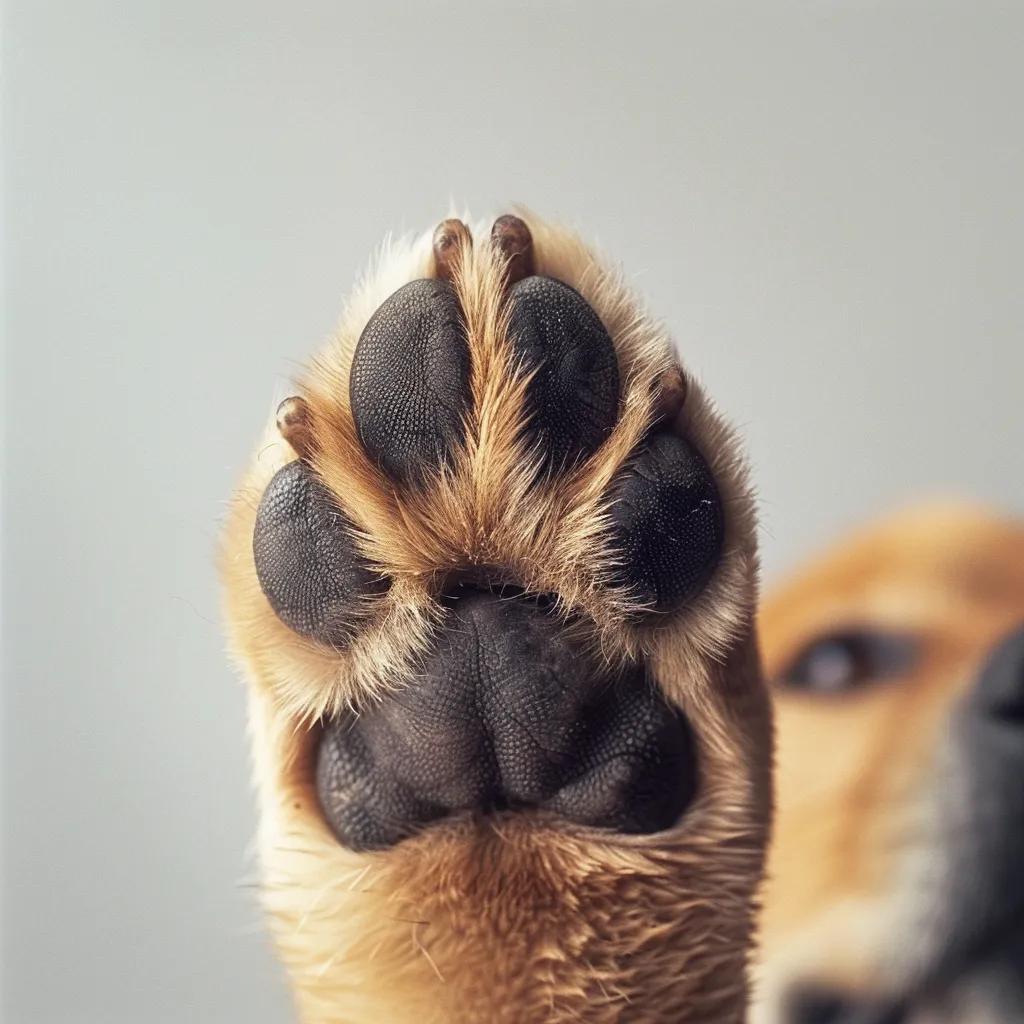
Spotting long nails early prevents pain and injury. Audible, visual, and behavior cues give clear ways to detect overgrowth without special tools. The most reliable signals are clicking on hard floors, nails visible when the paw is relaxed, and changes in how your pet walks or stands. Recognizing these signs helps you act before problems like torn nails or posture issues develop.
Which Audible and Visual Cues Indicate Long Pet Nails?
Clicking on hardwood, tile, or laminate means a claw is touching the ground and is likely too long. Visually, nails that extend past the pad or curl under are overdue for attention—curled nails can even grow into the pad. Look for uneven wear between toes or discoloration near the nail base, which can point to trauma or infection. Taking photos or doing a weekly check makes it easy to track changes and avoid surprises at trim time.
How Do Behavioral Changes Signal Nail Overgrowth?
Behavioral signs—reluctance to climb stairs, less play, limping after activity, or frequent paw licking—often mean discomfort from long nails or paw pain. Pets may shift weight off a sore paw, which can create secondary strain on other limbs and joints. Younger animals may show sudden changes from acute nail injuries; older pets may quietly reduce activity as discomfort builds. Matching behavior changes with nail checks helps you decide whether to trim at home or see a professional.
Next we’ll explain how professionals reduce stress and improve safety for anxious pets and busy households. Mobile grooming is a great option for many owners—here’s how it helps.
How Does Woof Woof Mobile Grooming Provide Stress-Free Nail Trimming?

We provide full-service, on-site nail trimming and filing designed to reduce stress and keep pets safe in McKinney, TX. Our mobile groomers bring the right clippers, grinders, and gentle restraint tools to your home, removing the travel and waiting-room stress that can make trims traumatic. The mobile unit creates a quieter, controlled setting, and our handlers use slow introductions and positioning techniques to lower anxiety and avoid cutting the quick. Choosing mobile grooming puts safety and individualized care first while making scheduling simple for busy families.
| Service Element | Benefit | What the Pet/Owner Experiences |
|---|---|---|
| On-site service | Reduced travel stress | Pet stays in a familiar place; owner saves time |
| Professional tools | Safer, cleaner trims | Less risk of jagged breaks or quick injury; smoother finish |
| Gentle handling | Calmer appointment | Fewer vocalizations and easier positioning for nervous pets |
Why Is Mobile Grooming Convenient for Busy Pet Owners?
Mobile grooming removes the drive to a salon or clinic and the stress of waiting rooms. Appointments fit your day, and the groomer arrives ready to finish trims quickly and safely—often while you watch or comfort your pet. That convenience reduces missed care and helps maintain a regular schedule, which is the key to preventing nail-related problems. For many households, saving time and simplifying logistics makes regular paw care realistic.
How Does Professional Care Benefit Anxious Pets During Nail Trims?
Professionals trained in animal handling use calming steps—slow introductions, treats, and gradual desensitization—that lower stress and allow careful trimming. Groomers also use grinders to smooth edges and styptic agents for any minor bleeding, which helps prevent long-term fear of nail care. A single calm, positive experience often improves a pet’s tolerance for future trims. Technique, equipment, and a quiet environment together reduce injury risk and build trust over repeated visits.
Before we explain how to book in McKinney, TX, here’s a short summary: when quick cuts, torn claws, or anxiety are a concern, a professional mobile groomer offers a tailored, convenient solution that keeps pets comfortable and protects paw health. Ready to act? The next section shows how to schedule and what to expect.
How Can You Schedule a Mobile Nail Trimming Appointment in McKinney, TX?
Booking a mobile nail trim is simple: pick a time window that works for you, tell us about your pet’s temperament and any health concerns, and request an on-site appointment that includes nail trimming and any extra paw services. Let us know if your pet is anxious, has had nail injuries, or is a senior—this helps us plan extra time and safety steps. Appointments include trimming, filing, and a quick paw check to improve comfort and prevent future problems. Follow these steps to prepare for your visit.
- Choose a convenient time window: Pick a time when your pet is usually calm and available.
- Describe your pet’s needs: Tell us age, activity level, anxiety history, or medical concerns so we can prepare.
- Confirm services: Request nail trimming, filing, and any extra paw care you’d like during the visit.
- Prepare a quiet space: Clear a calm area where the mobile unit or groomer can work with minimal distractions.
What Should You Expect When Booking Woof Woof Mobile Grooming?
When you book with Woof Woof Mobile Grooming in McKinney, TX, a skilled groomer arrives with specialized nail tools and a calm, patient approach. We’ll confirm appointment details, assess your pet’s comfort, and explain the plan before we start so you know what to expect. Safety steps include gradual handling, careful clipping or grinding, and immediate care for any minor nicks; we’ll also suggest an at-home routine to keep results longer. The predictable, supportive process lowers stress and delivers reliable paw care.
How Does Mobile Nail Trimming Improve Your Pet’s Health and Happiness?
Mobile nail trimming helps prevent painful nail injuries, preserves natural gait mechanics, and lets pros spot early paw issues through routine inspections. Many pets become calmer about handling after a gentle professional trim, which makes future grooming and vet visits easier. Owners gain peace of mind knowing trims happen safely and consistently without the hassle of transport. If you want a convenient, professional option that supports long-term paw health and reduces daily discomfort, mobile nail trimming is a smart choice.
- Regular monitoring and maintenance prevent injuries and support comfortable movement.
- Professional mobile care reduces stress by keeping the pet in a familiar environment.
- Complementary services and inspections catch early problems that save time and money later.
| Service | Attribute | Value |
|---|---|---|
| Nail Trimming & Filing | Stress-minimizing technique | On-site, gentle handling tailored to anxious pets |
| Paw Inspection | Preventive screening | Identifies cracks, infections, foreign bodies early |
| Complementary Paw Care | Supportive maintenance | Pad conditioning and fur trimming between toes |
- Regular nail care prevents pain, infection, and compensatory joint stress.
- Mobile professional trims reduce travel-related anxiety and simplify scheduling.
- Combining trimming with paw services delivers thorough foot health care.
If you’d like to schedule a stress-reducing nail trim in McKinney, TX, call Woof Woof Mobile Grooming to discuss times, your pet’s needs, and available paw-health services. We provide personalized attention and techniques designed to keep pets calm and safe during nail care. Regular visits or a short trimming series can gradually shorten the quick when needed and establish a maintenance rhythm that prevents problems from coming back. Prioritizing nail health protects your pet’s comfort, mobility, and long-term well-being.
Frequently Asked Questions
What tools are recommended for at-home nail trimming?
Use tools made for pets: a quality pair of clippers (scissor- or guillotine-style) and a nail grinder for smoothing after clipping. Keep styptic powder on hand to stop any accidental bleeding. Clean, sharp tools make trimming safer and faster, and reduce stress for both you and your pet.
How can I help my pet feel more comfortable during nail trimming?
Create a calm space, use treats and praise, and introduce tools slowly so your pet can sniff and get used to them. Practice gentle paw handling before you trim, and consider short, positive sessions rather than one long appointment. Patience and rewards change nail time from stressful to routine.
What should I do if my pet resists nail trimming?
Stay calm and break the task into tiny steps—one or two nails at a time—rewarding cooperation. If resistance continues, call a professional groomer or your vet. Pros can trim in a low-stress way and offer tips to build your pet’s tolerance over time.
Are there specific signs that indicate my pet needs a nail trim?
Yes. Listen for clicking on hard floors, look for nails that show beyond the pads or curl under, and watch for changes in walking or reluctance to run, jump, or climb stairs. Regular checks help you catch overgrowth before it causes pain.
Can overgrown nails affect my pet’s overall health?
Absolutely. Long nails change gait and weight distribution, which increases stress on joints and muscles and can lead to pain or chronic mobility problems. They’re also more likely to split or break, which can cause infection. Regular trimming supports comfort and long-term movement.
What are the benefits of using a mobile grooming service for nail trimming?
Mobile grooming removes travel stress, keeps pets in their familiar environment, and brings pro tools and handling to your doorstep. That combination makes trims safer and more comfortable—especially for anxious or older pets—and helps owners keep a steady maintenance routine.
Conclusion
Regular nail trimming protects your pet from pain, injuries, and mobility issues while keeping their gait comfortable. By watching for simple signs of overgrowth and scheduling trims on a practical timeline, you can prevent many common problems. If you prefer a low-stress, expert option, our mobile grooming team in McKinney, TX provides safe, gentle nail care at your home. Reach out to Woof Woof Mobile Grooming to start a routine that keeps your furry friend active and pain-free.