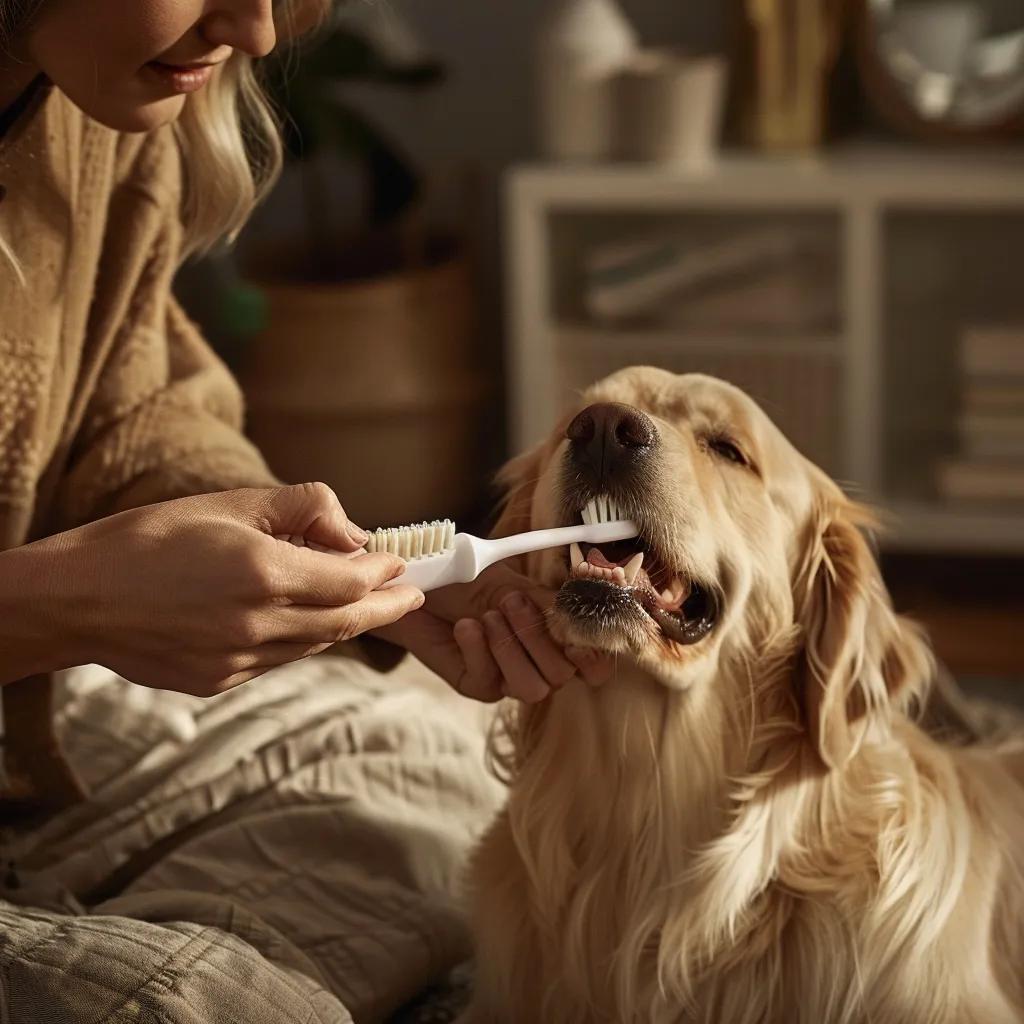

Mobile Dog Dental Care: Gentle, Professional Teeth Cleaning Delivered to Your Home
Bringing professional dog dental care to your doorstep makes oral health easier and less stressful—especially for anxious or older pets. This guide explains why at-home teeth cleaning matters for your dog’s overall health, outlines common dental problems, and breaks down the benefits of mobile dog dental cleaning services. You’ll learn how non-anesthetic (anesthesia-free) options work, what to expect during a mobile visit, and the main cost factors so you can decide when to book a professional cleaning. Practical sections walk through the appointment steps, safety notes, suggested frequency, and how mobile care complements daily home hygiene. Throughout, we use terms like mobile dog teeth cleaning, non-anesthetic dog dental cleaning, and mobile pet dental care to keep things practical and easy to follow.
Why Is Mobile Dog Dental Care Essential for Your Pet’s Overall Health?
Untreated mouth disease can lead to problems beyond the teeth. Bacteria in plaque and tartar can enter the bloodstream and affect organs such as the heart and kidneys. Regular professional cleanings lower bacterial load and inflammation, helping prevent periodontal disease and related issues. Routine mobile exams also catch problems early so we can recommend veterinary care when needed. Knowing the common conditions and their wider effects helps you prioritize routine cleanings—whether at home or with a mobile service—to protect your dog’s long-term health.
Your dog’s mouth affects the whole body. The oral microbiome can seed infections elsewhere, and chronic inflammation puts extra stress on organs. Preventive cleanings play a clear role in overall wellness, from fresher breath to fewer systemic risks like valve infections or kidney strain.
The sections below explain how oral bacteria spread and list the dental problems owners see most often so you can spot signs early and get the right care.
How Does Oral Health Impact Your Dog’s Whole-Body Wellness?
Bacteria from the mouth can enter the bloodstream and trigger inflammation that affects distant organs—this is why periodontal disease links to conditions like endocarditis and kidney inflammation. Regular professional cleanings combined with home brushing break that chain by reducing plaque and tartar and lowering inflammatory signals. Spotting loose teeth, red or receding gums, or persistent bad breath early lets you act before oral disease becomes a bigger health problem.
Seeing dental care as preventive medicine—not just cosmetic—helps you keep your dog healthier overall. The next section lists common dental issues to watch for.
What Are the Most Common Dental Problems in Dogs?
Everyday dental issues include plaque buildup, tartar, gingivitis, periodontal disease, and tooth fractures. Plaque is a soft bacterial film that can harden into tartar if not removed; tartar then worsens gum inflammation and creates pockets for deeper infection. Look for signs like bad breath, red or swollen gums, trouble eating, and excess drooling. Early action—daily brushing plus periodic professional cleanings—cuts progression and helps preserve teeth and gums.
What Are the Key Benefits of Mobile Dog Dental Cleaning Services?

Mobile dog dental cleaning brings professional oral care to your pet’s familiar space, saving you time and reducing the stress of clinic visits. At-home appointments mean focused one-on-one attention, a calm setting for your dog, and a smoother experience that encourages regular care. Mobile dental services support prevention—daily brushing, targeted treatments, and scheduled professional cleanings—so oral disease is managed before it affects overall health.
Here’s a quick look at how mobile dental care benefits both you and your pet.
- Convenience | Time saved | At-home service cuts out travel and simplifies busy schedules.
- Stress reduction | Familiar environment | Dogs stay where they feel safe, which eases anxiety.
- Personalized care | One-on-one attention | Technicians focus on one pet at a time for safer, tailored treatment.
- Preventative impact | Early detection | Regular mobile checks find problems before they need veterinary anesthesia.
How Does At-Home Dental Care Reduce Stress for Anxious Pets?
At-home dental care keeps your dog in familiar surroundings—no crowded waiting rooms, no car rides, no unfamiliar animals. Known smells and routines lower stress, so technicians can work more calmly and safely. One-on-one appointments prevent sensory overload common in clinics, and shorter, focused visits reduce handling time—especially helpful for seniors or medically sensitive pets. Less stress makes the whole process easier and increases the chance owners will stick to a regular cleaning schedule.
Why Is Convenience Important in Mobile Pet Dental Services?
Convenience removes barriers like transportation, time away from work, and the difficulty of moving an anxious or mobility-challenged dog. At-home services cut the physical strain and lower the chance of injury during travel. Simpler scheduling and fewer cancellations improve continuity of care, which reduces long-term costs linked to advanced dental disease. In short: when cleanings are easy to arrange, owners do them more reliably and pets stay healthier.
Better adherence means slower disease progression—and that sets the stage for understanding a typical mobile appointment workflow.
| Benefit | Attribute | Value |
|---|---|---|
| Convenience | Time & logistics | At-home appointments reduce owner travel and handling time |
| Stress reduction | Emotional impact | Familiar environment lowers anxiety for many dogs |
| Personalized care | Attention level | One-on-one technician focus supports tailored cleaning |
| Preventative impact | Health outcome | Regular cleanings reduce progression to periodontal disease |
How Does the Woof Woof Mobile Dog Dental Cleaning Process Work?
Our mobile dental visits follow a clear, owner-friendly flow: booking and pre-appointment communication, on-site arrival and setup, a quick oral exam, the cleaning itself, and straightforward post-visit guidance. This end-to-end approach prioritizes safety, comfort, and keeping you informed—so your dog stays calm and the outcome is better. Knowing the steps ahead of time helps everyone prepare: you, the technician, and your pet. The numbered list below shows what typically happens before, during, and after a mobile dental visit.
Woof Woof Mobile Grooming serves McKinney, Texas as a local resource for at-home grooming and dental care, including teeth brushing and mobile cleanings. If you’re local, call 972-302-8979 or email [email protected] to ask questions or request an appointment. This note helps with booking while keeping the guide focused on care information.
- Booking & Pre-Appointment: You share pet details and any health concerns so our team can prepare.
- Arrival & Setup: The mobile unit arrives, we complete safety checks, and you confirm your pet’s comfort.
- Oral Exam & Cleaning: The technician performs a visual exam, removes surface plaque/tartar as appropriate, then brushes and polishes where applicable.
- Post-Care & Follow-Up: We review findings with you, outline home care, and recommend a follow-up interval or veterinary referral if needed.
What Are the Step-by-Step Procedures During a Mobile Dental Appointment?
A typical visit follows a simple sequence to keep things efficient and safe: check-in, a quick oral assessment, a focused cleaning, and a short owner debrief. Check-in confirms medical history and behavioral notes; the oral assessment flags anything that needs a vet. Cleaning focuses on brushing, manual scaling where appropriate and safe, and polishing; technicians record any notable findings. Most visits are arranged to minimize handling time while giving thorough care, and you’ll get clear aftercare instructions to support recovery and daily hygiene.
Knowing the workflow ahead of time helps reduce stress and sets realistic expectations for the visit.
What Should You Expect Before, During, and After the Mobile Dental Visit?
Before the visit, clear a quiet, accessible spot for the mobile unit to park and have any medications or medical notes ready. During the appointment, expect calm, steady communication from the technician about progress and findings; appointment length varies by size and dental condition. After the visit, watch for mild gum sensitivity, follow the technician’s home-care steps, and schedule the next preventive visit based on your dog’s risk. Clear expectations make it easier to prepare and help speed recovery.
Next we cover sedation-free options and safety—common questions owners consider when choosing mobile dental care.
| Step | Action | Typical Duration / Why |
|---|---|---|
| Booking | Pre-appointment intake | 5–10 minutes to capture health and behavior details |
| Arrival | Setup & safety check | 10–15 minutes to prepare a calm workspace |
| Cleaning | Visual exam, cleaning, polishing | 20–60 minutes depending on size and tartar level |
| Aftercare | Owner review & follow-up | 5–10 minutes to explain home care and next steps |
What Is Non-Anesthetic Dog Dental Care and Is It Safe?

Non-anesthetic dog dental care—also called anesthesia-free cleaning—targets visible plaque, includes brushing, and may use selective manual scaling while the dog is awake and cooperative. It avoids the risks of general anesthesia and makes dental care possible for some anxious or older pets. Safety depends on careful patient selection: dogs should be calm, cooperative, and free of deep periodontal pockets or loose teeth that need veterinary treatment. When we spot limits, we refer pets to a veterinarian who can use anesthesia and imaging.
Non-anesthetic cleaning is one useful tool in a larger care plan; owners should understand its benefits and when veterinary intervention is necessary.
How Does Sedation-Free Dental Cleaning Work for Dogs?
Sedation-free cleaning relies on gentle restraint, positive handling, and non-invasive techniques like brushing, targeted manual scaling of accessible tartar, and polishing when appropriate. Technicians watch behavior constantly and pause or adapt if a dog shows distress. Owner presence often helps keep pets calm. This approach is best for cooperative dogs with mild-to-moderate tartar and without deep periodontal pockets. If we see complex disease or loose teeth, we’ll recommend a veterinary dental exam that may include anesthesia and x-rays.
That’s why non-anesthetic care complements veterinary services—it’s not a full substitute when deeper problems exist.
What Are the Advantages of Non-Anesthetic Mobile Dog Dental Cleaning?
Non-anesthetic cleaning offers several practical advantages: it avoids anesthesia risks, pets recover immediately with no grogginess, and it’s a good option for anxious or older dogs that handle awake sessions. It also makes regular touch-ups easier, helping control plaque between vet cleanings. For many owners, the ability to schedule stress-minimized cleanings at home encourages consistent preventive care and better long-term results. Non-anesthetic care works best alongside daily home brushing and regular vet checkups.
These benefits help owners weigh options and coordinate care with their veterinarian when medical-grade treatment is needed.
- Lower anesthesia risk: Avoids complications tied to general anesthesia for eligible pets.
- Immediate recovery: Pets stay alert and return to normal activity right after the visit.
- Frequent maintenance: Easier scheduling of short touch-ups to keep plaque in check.
These practical gains lead into transparent talk about cost and scheduling below.
How Much Does Mobile Dog Dental Care Cost and What Are the FAQs?
Price for mobile dog dental care depends on your dog’s size, the amount of tartar or disease, travel distance, and the time needed for a safe cleaning. Small, cooperative dogs with light tartar generally take less time and cost less; larger dogs or more extensive work raise the time and fee. Travel charges may apply depending on distance from our base. To get an accurate quote, tell us your dog’s size, health details, and any behavior notes when you request a consultation.
Below is a simple table outlining the main factors that influence pricing so owners know what to expect.
What Factors Influence the Price of Mobile Dog Dental Cleaning?
Several practical things affect price: your dog’s size and temperament, how much tartar and gum disease is present, travel fees, and whether further care or a vet referral is needed. Small dogs with light tartar usually fit lower time brackets, while large or fractious dogs require more technician time and coordination. Providers may offer maintenance plans or frequency options that change long-term costs. Clear details at booking help us give an accurate estimate and avoid surprises.
Providing complete pet information when requesting a quote makes pricing more precise and helps allocate the right appointment time.
| Factor | Attribute | Consideration / Impact |
|---|---|---|
| Dog size | Time required | Larger dogs typically take more cleaning time, increasing cost |
| Severity | Tartar & gum disease | Advanced disease needs extra time or veterinary referral |
| Travel | Distance & access | Providers may charge travel fees for longer trips |
| Behavior | Handling complexity | Anxious or fractious pets require slower, safer handling |
How Often Should Dogs Receive Professional Dental Cleanings?
Cleaning frequency depends on each dog’s risk. Many dogs do well with annual cleanings; others—especially those with heavy plaque or periodontal disease—may need cleanings every six months. Daily brushing and effective oral chews can lower how often professional cleanings are needed. Breeds with crowded teeth or older dogs often need more frequent care. A mobile provider or your vet can assess your dog and recommend a schedule that balances prevention with your pet’s stress tolerance and mobility.
Following a professional recommendation helps prevent disease progression and lowers the chance of more invasive, costly treatments later.
If you’d like a personalized quote or want to schedule a mobile dental consultation in McKinney, Texas, contact Woof Woof Mobile Grooming at 972-302-8979 or [email protected]. We’ll chat about your dog’s needs and provide clear pricing.
What Do Clients Say About Woof Woof’s Mobile Dog Dental Care?
Client feedback is a key trust signal. Many mobile providers collect anonymized case results and owner comments to show outcomes and comfort improvements. Owners often ask to see before/after photos, descriptions of how pets tolerated the visit, and what technicians observed during the cleaning. When comparing providers, request anonymized case summaries or a gallery to check real results and confirm the provider’s safety and comfort approach. That transparency helps you choose a team whose process matches your expectations.
Also look for clear descriptions of groomer experience and safety practices—these show competence without relying solely on specific certifications.
Which Success Stories and Before/After Results Highlight Our Expertise?
Providers commonly share short case summaries showing visible tartar reduction, improved breath, and happy owners—ask to view anonymized photos or descriptions for privacy-protected examples. Good case notes include what was done, how the pet tolerated the visit, and any follow-up advice. Requesting a gallery or client feedback during consultation helps set realistic expectations about results and comfort.
If you prefer, ask us to describe typical outcomes for dogs similar to yours so you know what to expect before booking.
What Qualifications Do Our Groomers Have for Expert Dental Care?
Groomers who offer dental services should have training in pet handling, dental hygiene techniques, and safety protocols for awake cleanings—and they should recognize when to refer to a veterinarian. Look for providers who explain their training, ongoing education, and escalation procedures for veterinary dental care. Clear communication about how technicians monitor behavior and oral health during appointments is important. While certifications vary, a trustworthy provider will describe qualifications and how they translate into safe, low-stress visits.
When choosing a provider, ask for a summary of training and standard procedures so you can confirm the team’s competence and safety approach.
- Ask for training summaries: Learn about the technician’s grooming and dental technique background.
- Request escalation protocols: Make sure you understand when a veterinary referral is recommended.
- Review safety practices: Confirm that monitoring and owner communication are standard.
If you want more detail about Woof Woof Mobile Grooming’s approach, call 972-302-8979 or email [email protected]. Our staff can explain typical procedures and offer tailored guidance for your pet.
Frequently Asked Questions
What should I do to prepare for a mobile dog dental cleaning appointment?
Prepare a quiet, accessible spot for the mobile unit to park and a calm area for your dog. Have any medical records or medication details ready, and bring a favorite blanket or toy to help your pet relax. Tell the technician about any behavior or health concerns—clear communication helps us tailor the visit to your dog’s needs.
Can all dogs benefit from non-anesthetic dental cleaning?
Not all dogs are candidates. Non-anesthetic cleaning works well for calm, cooperative dogs with mild-to-moderate tartar. Dogs with advanced periodontal disease, loose teeth, or who are highly stressed during handling may need a veterinary dental exam under anesthesia. A qualified technician can assess your dog and advise the safest option.
How can I maintain my dog’s dental health between professional cleanings?
Daily brushing with dog-specific toothpaste is the single most effective home practice. Dental chews and toys that promote chewing can help, too. Regularly inspect your dog’s mouth for bad breath, swollen gums, or other changes. A consistent routine—brushing plus periodic professional care—goes a long way toward keeping teeth healthy.
What are the signs that my dog may need dental care?
Watch for persistent bad breath, trouble eating, excess drooling, or visible tartar. Red or swollen gums, loose teeth, and changes in play or chewing habits can also signal trouble. If you notice any of these signs, consult a professional for an evaluation—early intervention prevents bigger problems.
Are there any risks associated with non-anesthetic dental cleaning?
Risks relate mainly to the dog’s behavior and dental condition. Uncooperative dogs can be at risk of injury to themselves or the technician, and this method isn’t suitable for severe periodontal disease. That’s why a trained technician assesses suitability before and during the visit and recommends veterinary care when needed.
How can I choose the right mobile dog dental care provider?
Research qualifications, experience, and client reviews. Ask about technician training, safety protocols, and emergency procedures. Request case studies or before-and-after photos to see real results. A reputable provider will be transparent about processes and happy to answer your questions about your pet’s care.
Conclusion
Mobile dog dental care gives you a convenient, low-stress way to keep your pet’s mouth healthy—right at home. Regular cleanings and good daily care help prevent serious dental and systemic problems and keep your dog comfortable. Understanding non-anesthetic options and when to involve a veterinarian helps you make the best choice for your pet. To learn more or book an appointment, contact Woof Woof Mobile Grooming today.