
Mobile Dog Nail Trimming Services for Perfect Paw Care: Convenient, Stress-Free, Professional Grooming at Your Doorstep
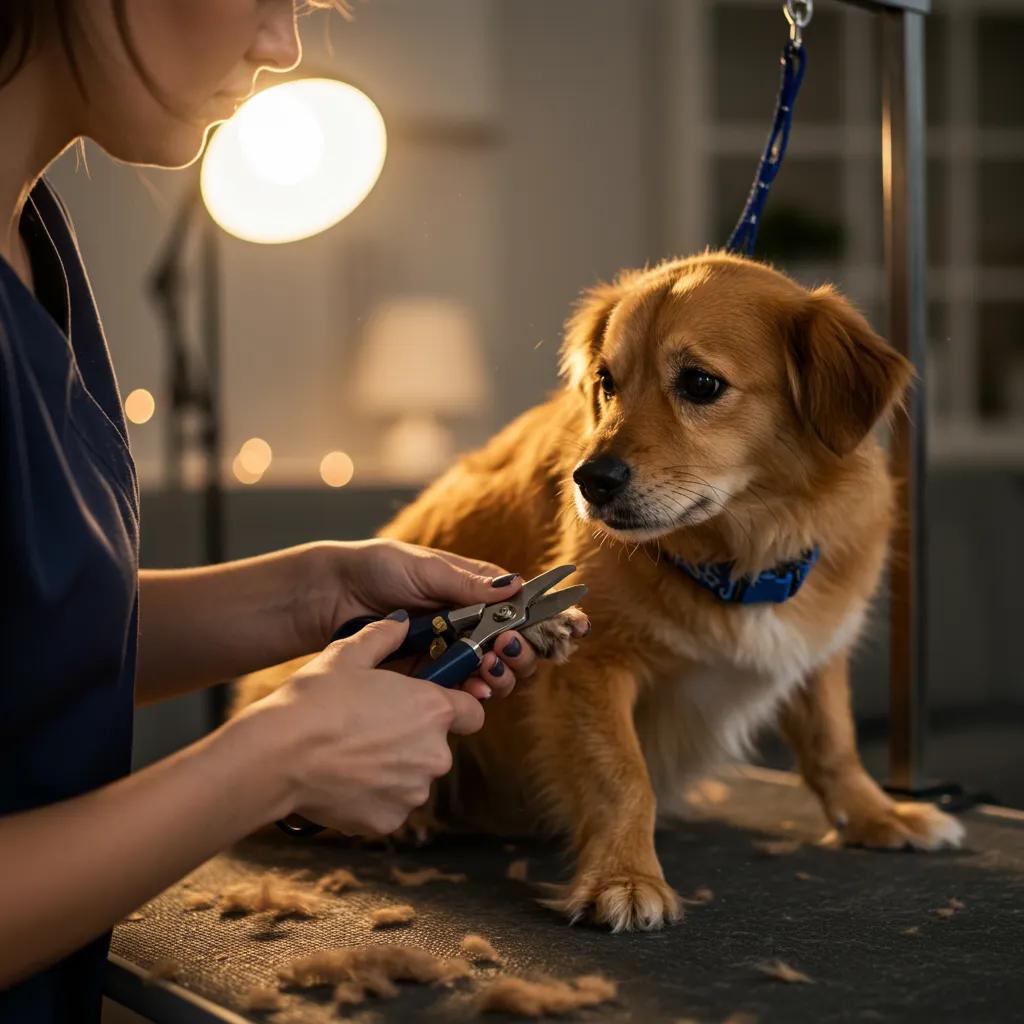
Mobile dog nail trimming brings professional nail care right to your doorstep, making it easier on your furry friend and saving you precious time. This service is all about keeping those paws healthy and your dog mobile. We’ll dive into what mobile nail trimming entails, how it stops nails from getting too long and causing trouble, and why having a groomer come to you is a calmer, safer bet for anxious pups and older dogs. You’ll learn how often to trim, what the “quick” is and how trimming affects it, what to expect from a pro mobile groomer, and how to keep nails in tip-top shape between visits. We’ll also cover safety tips, ways to keep nervous dogs relaxed, pricing, booking, and some handy at-home tricks so you feel confident managing your dog’s nails. Throughout this guide, we’ll sprinkle in keywords like “professional dog nail trimming services,” “mobile dog grooming benefits,” and “pet nail care tips” to help you find the best approach. After we cover all the health-first advice, you’ll see how Woof Woof Mobile Grooming’s Nail Trimming and Filing service fits perfectly into these best practices, and how to book an appointment in McKinney, Texas.
Why Choose Mobile Dog Nail Trimming for Your Pet’s Health?
Mobile dog nail trimming is a professional service that comes to you, preventing nails from overgrowing, cutting down on injury risks, and making nail care a low-stress event by skipping the car ride. It’s simple: regular, expert trims keep nails at a safe length, and filing smooths any rough edges, stopping them from snagging or causing paw pain. The big win here is better mobility and fewer paw injuries, especially for dogs prone to long nails or those who have trouble getting around. Plus, choosing mobile care means avoiding the hustle and bustle of salons and car trips, which is a huge relief for anxious or older dogs. Next, we’ll break down the main perks and give you real-world examples of when mobile nail care is the clear winner.
What are the key benefits of mobile dog nail care?

Mobile nail care offers benefits that truly matter to both you and your dog: less travel time, way less stress, and expert handling that keeps injuries at bay. Forget car rides and waiting rooms – mobile services mean no more triggers for anxiety and a much shorter time commitment for you. From a health perspective, professional trimming stops nails from getting too long, lowers the risk of ingrown nails and splits, and helps keep paws aligned correctly, which is vital for long-term joint health. For busy families or those with mobility challenges, at-home grooming is simply easier to fit into the schedule than salon visits. These advantages really highlight how professional technique leads to better comfort and results.
How does professional mobile pet nail clipping improve dog comfort?
Professional mobile clipping boosts comfort by using the right tools, precise angles, and a careful technique to avoid nicking the quick and to create smooth nail edges that don’t snag. Groomers typically follow a methodical approach: they assess nail length, trim just a little at a time, and finish with filing or grinding. This means your dog can walk with less paw soreness and a lower chance of splits. The outcome? Easier movement and less discomfort during everyday activities. Proper technique also means less chance of painful quick nicks and quicker recovery if minor issues do pop up, all contributing to better mobility and comfort for your dog.
Why is at-home dog nail grooming ideal for anxious and senior pets?
At-home nail grooming cuts down on exposure to things that often set off anxiety in sensitive dogs, like loud noises, other animals, and unfamiliar people. In a familiar setting, groomers can take their time, use the owner’s presence for reassurance, and adjust the environment (think soft lighting, non-slip surfaces) to keep stress levels low. Senior dogs really benefit because mobile services skip the awkward car transfers, stairs, and bumpy rides that can make arthritis and mobility issues worse. These tailored sessions allow for one-on-one attention and gradual progress over time, leading to lasting behavioral improvements and less physical stress.
How Often Should You Trim Your Dog’s Nails for Optimal Health?
How often you trim your dog’s nails really depends on their activity level and breed, but most dogs do best with regular trims that keep nails from touching the floor and ease pressure on their paws. The science behind this is simple: frequent, conservative trims encourage the quick to slowly recede, making it less likely you’ll cut it and promoting the ideal nail length. The specific benefit is ongoing paw comfort and fewer snags, splits, and changes in gait. Below, we’ll give you recommended intervals, explain how trimming affects the quick, and list the tell-tale signs that your dog’s nails need attention right away.
Here’s a quick guide to help you figure out how often to trim, based on your dog’s activity and breed.
| Breed/Activity Profile | Recommended Interval | Key Rationale |
|---|---|---|
| High-activity dogs (running, frequent walks) | Every 2–4 weeks | Natural wear keeps nails shorter, but trims ensure smooth edges |
| Moderate-activity dogs | Every 3–6 weeks | A good balance of wear and growth keeps the quick in check |
| Low-activity or indoor dogs | Every 4–8 weeks | Less natural wear means more frequent maintenance is needed |
| Senior or arthritic dogs | Every 3–6 weeks with careful handling | Reduced mobility can speed up overgrowth and pad issues |
This table gives you a general idea of timing, but always keep an eye on whether your dog’s nails are touching the floor when they walk – that’s your best cue!
What is the recommended frequency for dog nail trimming?
Most dogs need their nails trimmed about every 2–4 weeks, but how active they are, their breed, and how fast their nails grow can shift that range. Dogs that are really active and run on hard surfaces often wear their nails down naturally, so they might be closer to the 4-week mark. Dogs that are mostly indoors or less active usually need more frequent care to prevent overgrowth. Some breeds have naturally faster-growing nails and might need shorter intervals, while larger working breeds might show different wear patterns. Regularly checking – listening for clicking on hard floors and seeing if nails touch the ground – is the most reliable way to know when it’s time and to prevent gradual overgrowth and quick-related problems.
How does nail trimming affect the quick and prevent overgrowth?
Trimming helps manage the quick by encouraging it to recede over time when you consistently trim off small amounts. The quick is where the blood vessels and nerves are, so trimming gradually is the safest approach. Professionals trim tiny bits regularly or use a grinder to file the nail surface, which lowers the risk of cutting into the quick and promotes controlled recession. For dark nails where the quick isn’t visible, taking off small amounts and relying on professional experience are key to avoiding injury. Over time, this method reduces painful overgrowth and the chances of ingrown nails or chronic splitting.
What signs indicate your dog’s nails need immediate care?
Watch out for nails that are visibly curling under, nails that touch the pad when your dog is standing, cracking or splitting, bleeding, limping, or nails that frequently snag on things. Other urgent signs include redness, swelling, or discharge around the nail bed, or sudden lameness after a nail injury. If you notice persistent limping or bleeding after a trim, it’s time to get professional grooming advice or see a vet, depending on how serious it is, to prevent further issues.
What Does a Professional Mobile Dog Nail Trimming Service Include?
A professional mobile nail trimming service typically involves a clear process: a quick check-up, gentle handling or positioning, clipping/trimming, filing/grinding, and a final check with some aftercare tips. This sequence ensures safety and comfort by combining a visual assessment with careful technique and the right tools. The specific benefit is a reliable, low-stress appointment that minimizes injury risk and leaves nails smooth and perfectly sized. Below, we’ll walk you through the step-by-step process, safety measures, and what makes different packages unique, so you know exactly what to expect from a professional mobile visit.
This table compares common service steps, tools, and benefits so pet owners can see the differences and choose the right package.
| Service Step | Typical Tools | Typical Benefits |
|---|---|---|
| Initial assessment and behavioral check | Visual exam, paw inspection | Identifies nail length, quick visibility, and temperament |
| Clipping/trimming | Nail clippers, guillotine or scissor style | Rapid shortening of nail length with conservative cuts |
| Filing / grinding | Nail grinder (Dremel) or files | Smooths edges, reduces snagging, prevents splitting |
| Post-trim checks & aftercare | Paw inspection, brief walk test | Confirms comfort, checks for quick nicks, gives home care tips |
This comparison shows how each step contributes to safety and a comfortable outcome; understanding these details helps you pick the best package for your dog.
What are the steps involved in expert nail trimming and filing?
Expert trimming starts with a quick assessment—checking nail length, how visible the quick is, and your dog’s overall mood—to plan a careful trimming strategy. The groomer then gently positions and secures your dog, using calm handling and your presence if it helps, before making precise clips that remove small sections of the nail. After clipping, filing or grinding smooths the edges to prevent snags and future splits, and the groomer does a final check for any exposed quick or signs of discomfort. How long it takes depends on your dog’s personality and nail condition; most standard trims take just a few minutes per paw, while anxious or senior dogs might need longer, more gradual sessions.
How do groomers ensure safety and comfort during nail care?
Groomers use the right tools, work at a relaxed pace, handle dogs gently, and use positive reinforcement to keep nail care safe and comfortable. Equipment like grinders and sharp clippers helps prevent tearing, while short sessions with breaks keep stress levels down and allow dogs to relax between steps. Trained groomers pay close attention to body language and will pause to soothe or adjust their technique if the dog gets agitated, reducing the chance of quick injury. Being prepared for minor quick nicks—with styptic products and first-aid knowledge—means they can respond quickly if needed and gives owners peace of mind.
What are the differences between basic trims and deluxe pawdicure packages?
Basic trims focus on clipping nails to a safe length with a quick check, while deluxe pawdicure packages add filing, buffing, and special paw treatments for a polished look and extra comfort. Deluxe services might include soothing paw balms, thorough pad checks, and extra time spent helping nervous dogs get used to the process—great for pets with dry, cracked pads or nails that snag easily. Basic trims are efficient for routine upkeep, while deluxe options are ideal for show dogs, dogs with brittle nails, or owners who want to pamper their pet. Your choice depends on your dog’s nail condition and what kind of aftercare you’re looking for, with regular deluxe care often leading to better long-term nail health.
How Does Mobile Grooming Provide a Stress-Free Nail Care Experience?
Mobile grooming creates a calm environment with fewer distractions, allowing for a personalized pace that directly reduces stress responses in dogs. The key is the setting: no car rides, no other animals, and no noisy salon sounds mean fewer triggers for fear and reactivity. The result? Calmer sessions, easier handling, and better cooperation over time, especially for anxious and senior dogs. Below, we’ll share some calming techniques, special considerations for seniors, and how one-on-one attention makes a big difference.
Here are some proven calming techniques mobile groomers use to ease anxiety and make nail sessions more successful.
- Desensitization and gradual exposure through short, positive sessions to build tolerance.
- Positive reinforcement with treats and gentle praise to create good associations.
- Breaks and relaxed pacing, using calming signals and owner presence to prevent stress buildup.
These techniques work together to lower fear and increase success rates during trims; the next section explains how home-based adjustments help seniors.
What techniques are used to calm anxious dogs during nail trims?
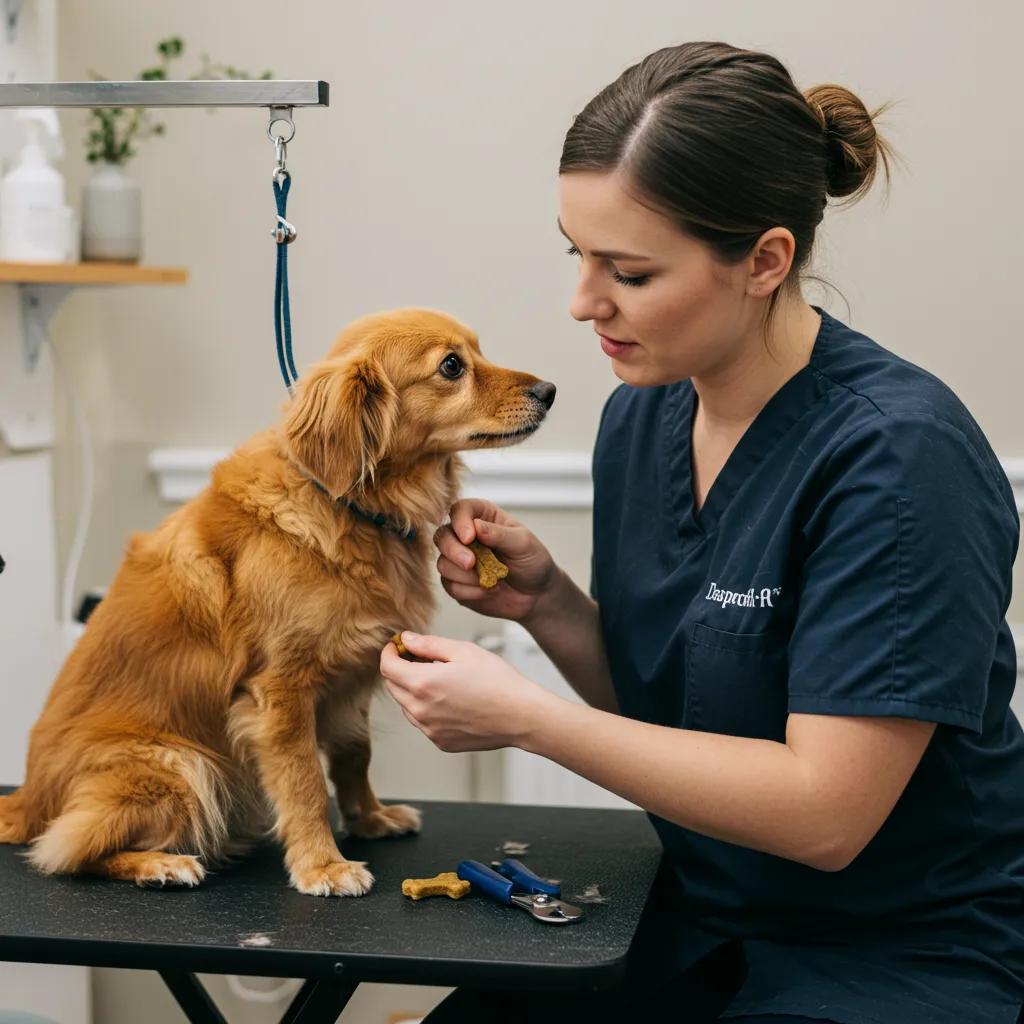
Calming techniques focus on short, positive sessions, using treats to create good associations, and gradually getting dogs used to the tools and touch. Groomers might introduce grinders or clippers slowly, reward calm behavior right away, and use the owner’s presence or familiar blankets to help the dog relax. Short breaks and gentle handling allow the dog to reset between steps, preventing fear from escalating. Over several visits, these methods build trust and reduce anxiety, often leading to quicker, less stressful trims.
Why is grooming at home better for senior dogs’ comfort?
Grooming at home makes things much easier for senior dogs by eliminating the need for car transfers, stairs, and navigating unfamiliar surfaces that can worsen pain or confusion. Mobile groomers can adapt the space—using non-slip mats, lower surfaces, or comfortable seating—to suit a senior dog’s specific comfort and mobility needs. These adjustments allow for more time and careful handling, reducing the risk of slips or aggravated joint pain during the session. The result is safer, more thorough care with less stress for your aging companion.
How does one-on-one attention improve the grooming experience?
One-on-one attention means the groomer can tailor the pace, make immediate adjustments based on your dog’s behavior, and closely observe for subtle paw or nail issues that might be missed in a busy salon. A dedicated groomer can spot signs like uneven wear, small cracks, or tenderness that might go unnoticed elsewhere, allowing for targeted care and follow-up advice. This personalized approach also builds trust between the groomer and your pet, leading to better cooperation over time and making future sessions less intense. Ultimately, this focused attention leads to better long-term nail health.
What Are the Pricing Options and How Can You Book Mobile Dog Nail Trimming?
Pricing for mobile nail trimming varies based on the service level, your dog’s size, and any extras like filing or paw treatments. We offer clear package options to help you choose the right level of care. The idea is to be upfront about what you get: comparing package details shows you the value and what results to expect. This makes it easier to decide and budget for regular grooming. Below, we’ll show you our package options and give you practical advice on how to book and get ready for your mobile appointment.
Here’s a look at our common package tiers, what’s included, and how often we recommend them, so you can compare options and plan for ongoing care.
| Package Tier | Included Services | Recommended Frequency |
|---|---|---|
| Basic Trim | Nail clipping, quick inspection | Every 2–6 weeks depending on activity |
| Deluxe Pawdicure | Clipping, filing/grinding, paw balm | Every 3–6 weeks for pampered or problem nails |
| Maintenance Plan | Recurring trims with scheduling discounts | Custom intervals based on need |
What is the typical cost range for mobile dog nail trimming services?
Typical costs can vary depending on your location, your dog’s size, their temperament, and any add-on services. Mobile services often cost a bit more than drop-in trims because they include travel time and personalized attention. Factors that influence the price include whether filing/grinding is included, if you opt for extra paw treatments, and how much time is needed for anxious or senior dogs. It’s best to ask for a personalized quote to get an accurate price that accounts for these details; clear pricing helps avoid surprises and makes it easier to schedule regular care.
How can you schedule a convenient at-home nail grooming appointment?
To book a mobile appointment, just provide your address, details about your pet (like size, temperament, and any health notes), and your preferred time slots when you request a booking. A mobile groomer will then confirm the arrival window and share some tips to help you prepare. Make sure to have a quiet spot ready with a non-slip surface where the groomer can work, and keep your dog’s favorite treats or familiar items nearby to help them feel at ease. Expect communication about arrival times and minimal disruption during the visit. Clear expectations and simple home prep make the appointment smooth and comfortable for your dog.
Are there package deals or discounts for regular nail care?
Many mobile providers offer savings or easier scheduling for recurring appointments, which can lower the cost per visit and improve nail health through consistency. Packages might bundle several trims or include deluxe services at a lower price than individual appointments, and regular plans encourage sticking to recommended trimming schedules. Consistent appointments also benefit anxious or senior dogs by building familiarity and making each session quicker and smoother over time.
What Do Customers Say About Our Mobile Dog Nail Care Services?
Customers consistently rave about the convenience, the reduced stress for their pets, and the personalized care that mobile nail trimming offers, especially for busy households and owners who have trouble getting around. The reason for all the positive feedback is the lack of travel and the one-on-one attention, which leads to calmer appointments and healthier paws. The benefit? Real-world proof that mobile nail care can make a noticeable difference in your dog’s behavior and comfort. Below, we’ll share common customer experiences and themes without naming specific individuals.
How have busy families benefited from mobile nail trimming?
Busy families often tell us how much time they save by skipping the travel and waiting, making it much easier to keep up with nail maintenance even with packed schedules. Mobile services allow trims during convenient times, letting owners fit pet care into their daily routines without major disruptions. This convenience also means fewer last-minute cancellations and missed appointments, which is great for your dog’s long-term nail health. Families frequently appreciate how predictable and efficient these at-home visits are.
What success stories exist for anxious and senior pet nail care?
A common success story involves anxious dogs gradually improving their behavior through repeated, low-stress mobile sessions that use desensitization and rewards. Senior dogs often show better mobility and less paw pain after consistent trims and pad care, with owners noticing fewer limps and fewer snag-related injuries. These positive outcomes come from the tailored pacing, gentle handling, and environmental adjustments that mobile groomers provide right at home. Repeated positive experiences build trust and reduce anxiety over multiple visits.
Why do pet owners recommend Woof Woof Mobile Grooming?
Pet owners recommend Woof Woof Mobile Grooming because we combine convenience, gentle handling, and stress-free service right at your door in McKinney, Texas. Our Nail Trimming and Filing service follows all the best practices we’ve discussed—careful trimming, filing for smooth edges, and one-on-one attention—making it a perfect example of professional mobile nail care. These qualities make mobile grooming a reliable choice for owners looking for anxiety-free, professional nail maintenance.
How Can You Maintain Your Dog’s Nail Health Between Professional Trims?
Keeping your dog’s nails healthy between professional trims involves simple routines, the right tools, and being watchful for warning signs that might need professional or veterinary attention. The goal is preventive care: consistent, minor maintenance and regular checks reduce the chances of overgrowth, splitting, and infection. The benefit? Fewer urgent problems and less intensive corrections down the road. Below, we’ll share best practices, common issues to look out for, and guidance on when to call in the pros.
Here are some safe at-home practices to help maintain your dog’s nails while minimizing risks.
- Use the right tools: sharp clippers or a grinder made for pets, and only trim small amounts at a time.
- Keep sessions short and positive: several brief sessions are better than one long, stressful attempt.
- Reward calm behavior: treats and praise encourage cooperation and make future sessions easier.
These practices work together to make at-home maintenance safe and effective; the next section explains how to spot problems early.
What are best practices for at-home dog nail care?
Best practices include using quality clippers or a grinder, trimming nails in small increments, and pairing sessions with positive reinforcement to help your dog get used to it. Always file the edges smooth after clipping to prevent snagging and check paw pads for any cracks or foreign objects. For dark nails, trim very conservatively or let a professional handle them to avoid cutting the quick; professionals use gradual techniques that are safer for dark nails. Regular, gentle maintenance means less need for more intensive corrections later.
How to recognize and prevent common nail health issues?
Prevent common issues by checking nails and pads weekly for cracks, changes in color, or swelling, and by watching your dog’s gait for any subtle limping that suggests discomfort. Prevent splits by not waiting too long between trims, smoothing edges with a file, and moisturizing pads if they get dry and cracked. Ingrown nails and infections need prompt attention—catching them early through regular checks prevents them from getting worse. Consistent preventive care and observation reduce the likelihood of sudden problems.
When should you consult a professional for nail problems?
Consult a professional groomer or veterinarian if you notice persistent bleeding, signs of infection (like swelling or discharge), severe overgrowth causing pain, or any sudden lameness after a nail incident. If your attempts at home result in repeated nicks or if your dog strongly resists even after desensitization efforts, professional handling is recommended to avoid injury. When in doubt, it’s always best to get a professional opinion to ensure proper treatment and prevent complications.
For owners in McKinney, Texas who want a low-stress, in-home option, Woof Woof Mobile Grooming’s Nail Trimming and Filing service is a great example of professional mobile care that follows these best practices and helps maintain your dog’s paw health long-term. Booking regular, preventive mobile trims reduces the chance of urgent nail issues and keeps your dog moving comfortably and confidently.
Frequently Asked Questions
What should I do if my dog resists nail trimming?
If your dog resists nail trimming, it’s important to approach it with patience and positive reinforcement. Start by letting your dog get used to the clippers or grinder – let them sniff and explore the tools without any pressure. Use treats and praise to reward calm behavior. Gradually introduce short sessions, focusing on just one or two nails at a time. If the resistance continues, consider consulting a professional groomer who can provide a more controlled environment and expert handling.
Can I use human nail clippers for my dog?
While some pet owners might use human nail clippers in a pinch, it’s not recommended for regular use. Human clippers aren’t designed for the thickness and structure of dog nails, which can lead to uneven cuts or splintering. Instead, invest in clippers specifically made for pets; they come in various styles (guillotine, scissor, or electric) to suit different nail types and sizes. Using the right tools ensures a safer and more effective trimming experience for your dog.
How can I tell if my dog’s nails are too long?
To check if your dog’s nails are too long, pay attention to how they walk. If you hear clicking sounds on hard floors or if their nails touch the ground when they’re standing, it’s time for a trim. Also, look for signs of discomfort, like limping or reluctance to walk. Overgrown nails can lead to painful issues like ingrown nails or joint problems, so regular checks and timely trims are crucial for keeping your dog’s paws healthy.
What should I do if my dog’s nails bleed after trimming?
If your dog’s nails bleed after trimming, stay calm and act quickly. Apply a styptic powder or cornstarch to the bleeding nail to help stop it. Gently press it against the nail for a few moments. If the bleeding doesn’t stop within a few minutes or if your dog seems to be in pain, contact your veterinarian for further advice. To prevent this from happening again, make sure you’re trimming conservatively and consider professional help if you’re unsure about the process.
Are there specific breeds that require more frequent nail trimming?
Yes, some breeds tend to have nails that grow faster and may need more frequent trimming. Small breeds like Chihuahuas and Dachshunds often have nails that grow quickly, while larger breeds might experience slower growth due to natural wear from their activity. Also, indoor dogs typically need more frequent trims than those that spend time outdoors on hard surfaces. Regular monitoring and trimming every 2-6 weeks, depending on the breed and activity level, can help maintain optimal nail health.
What are the benefits of using a mobile grooming service over a traditional salon?
Mobile grooming services offer several advantages over traditional salons, including convenience and reduced stress for pets. With mobile grooming, your dog receives care in a familiar environment, minimizing anxiety triggers associated with travel and unfamiliar settings. Additionally, mobile groomers provide personalized attention, allowing for a tailored grooming experience that can accommodate your pet’s specific needs. This one-on-one approach often results in a calmer, more efficient grooming session, especially for anxious or senior dogs.
Conclusion
Mobile dog nail trimming services offer a convenient and stress-free way to keep your pet’s paws healthy, ensuring their comfort and safety in a familiar setting. By choosing professional mobile grooming, you can prevent nail overgrowth and related injuries while enjoying scheduling flexibility that fits your life. Regular trims not only improve your dog’s mobility but also create a positive grooming experience, especially for anxious or senior pets. Discover the benefits of our mobile nail trimming services and book your appointment with Woof Woof Mobile Grooming today.