
Mobile Dog Grooming Nail Care: Calm, Convenient Tips for Stress-Free Trims
We know nail trims can make both dogs and owners anxious. Mobile grooming offers a gentler, more convenient option by bringing professional nail care to your doorstep. This guide walks you through practical steps for preparing nervous dogs, deciding between clippers and grinders, spotting the quick, and keeping paws and joints healthy between visits. You’ll find easy stress-reduction techniques—desensitization, positive reinforcement, and smart timing—along with tool tips and clear comparisons for puppies, skittish dogs, and seniors. If you’d rather leave it to a pro, we include local options for mobile nail trimming and filing services. Read on for actionable steps to make nail trims predictable, safe, and low-stress for your dog.
Why mobile grooming is the calmer choice for nail care
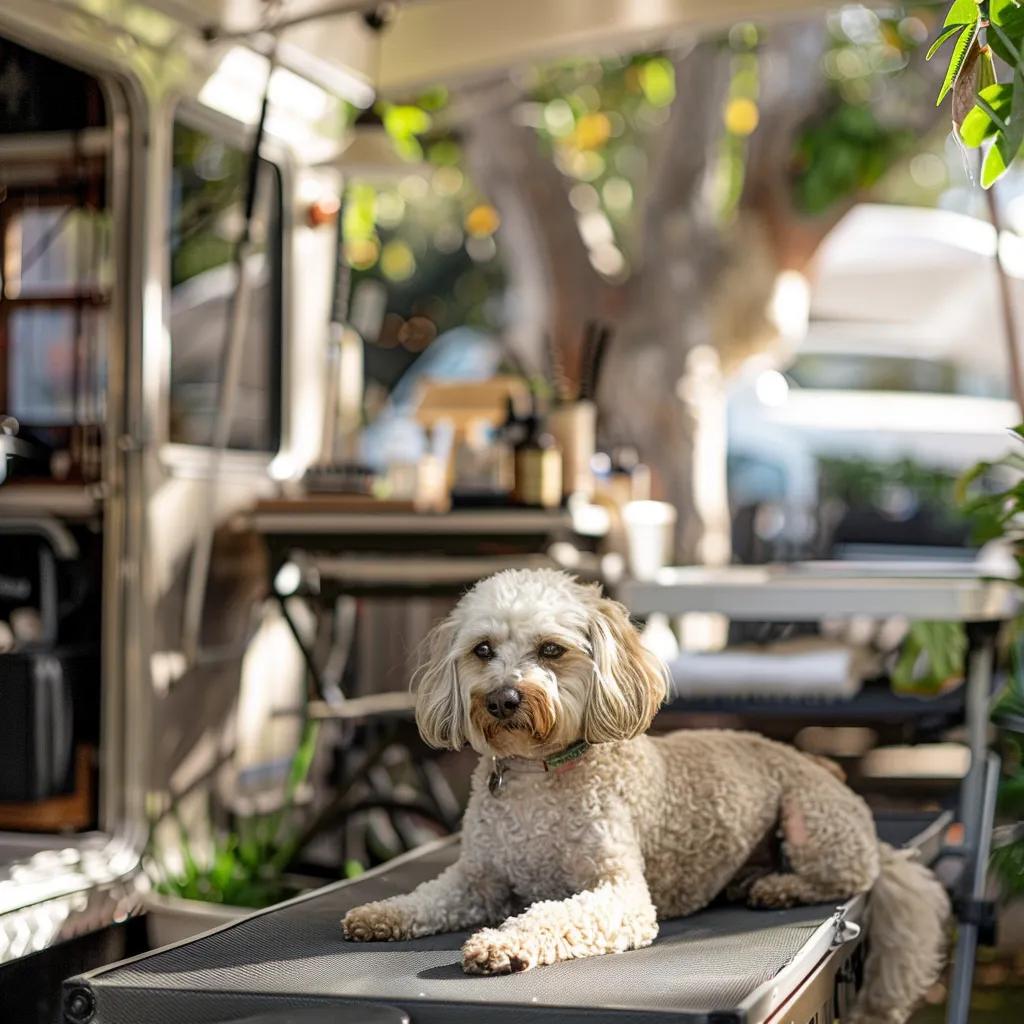
Mobile dog grooming brings professional care to your home, removing many common stressors tied to salon visits. Without car rides, waiting rooms, or loud salons, dogs remain in a familiar environment where groomers can work one-on-one and set a pace that matches each dog’s comfort. That focused attention often makes trims quicker, more successful, and easier to keep up with regularly. In short: calmer visits mean fewer quick cuts and healthier paws over time. If you want an on-site alternative to salon or solo at-home trimming, learn more about scheduling a visit from Woof Woof Mobile Grooming in McKinney, TX.
Here are the main ways mobile grooming lowers stress and why that matters for long-term cooperation and paw health.
- It removes travel stress—no car rides or crowded waiting areas.
- One-on-one attention lets groomers use gentle handling and patient pacing.
- Familiar home smells and fewer other animals reduce fight-or-flight triggers.
- Quiet, tailored tools and low-vibration equipment keep noise and startle responses down.
Those advantages add up to more predictable trims, better routine care, and fewer accidental quick nicks. Knowing how mobile grooming creates a calmer setting makes it easier to prepare your dog so visits go smoothly.
How mobile grooming lowers stress for anxious dogs
Mobile grooming reduces stress by controlling the environment, offering individualized handling, and avoiding exposure to unfamiliar animals and loud noises. Working with a single dog in its own space means fewer distractions and less reactivity. Professional groomers use portable setups that limit sudden movements and noise, and many are trained in fear-free techniques—slow, predictable handling, short work intervals, and deliberate pauses to build trust. Those methods not only shorten safe trim time but also increase the chance your dog will cooperate at future visits, making consistent nail care more likely.
Research shows nail trims can raise stress levels in dogs, and heart rate monitoring has been used to track their reactions during the procedure.
Dog Nail Care: Health, Welfare, and Stress During Trims
Nail care matters for a dog’s health and welfare. This study looked at how Australian dogs reacted to nail trims and measured heart rate during the procedure to assess stress. The findings help inform gentler grooming practices.
What convenience perks come with at-home nail trimming?
At-home trimming saves time and removes logistical barriers—great for busy households or owners with mobility limits. Mobile groomers often offer flexible scheduling, including weekend slots, so trims can be booked for your dog’s calmest time of day, such as after exercise or a nap. For seniors or multi-pet homes, doorstep service eliminates transport stress and simplifies coordination. Those conveniences make routine trimming more likely, which lowers the risk of overgrown nails and the mobility problems that can follow.
How to prepare an anxious dog for a calm mobile nail trim
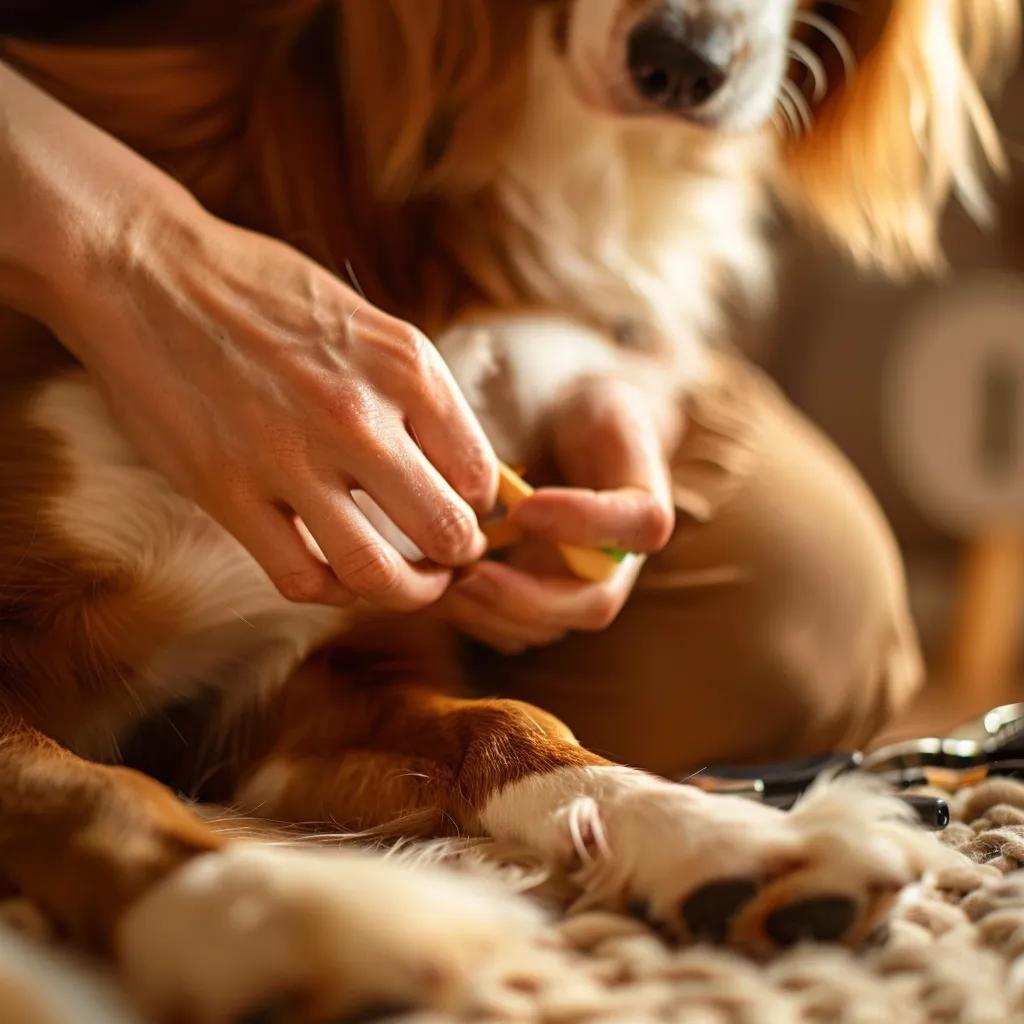
Preparing your dog combines short desensitization sessions, positive reinforcement, and smart appointment timing. Start by exposing your dog to tools and handling gently at home—pair clippers or a grinder (turned off at first) with high-value treats and brief, successful interactions. Plan the visit after a walk or play session to lower energy, give your dog a potty break first, and set up a quiet spot for the groomer. If you’d like, a mobile groomer can show desensitization techniques during the visit and create a gradual plan you can continue between appointments.
A simple, repeatable preparation plan to follow in the weeks before a trim:
- Tool familiarization: Leave clippers or a powered-off grinder visible for short sessions; reward calm behavior.
- Paw handling practice: Gently hold paws for 30–60 seconds, reward, and slowly increase the time.
- Sound desensitization: Play recorded grinder or clipper sounds quietly while offering treats, raising volume slowly.
- Mock sessions: Pretend to trim—handle paw, touch the tool to the nail edge, then reward and stop on a positive note.
Short, regular practices beat occasional long sessions. These steps reduce novelty and fear so the real trim becomes predictable and manageable, helping the groomer succeed quickly.
| Technique | When to Use / Which Dogs | Steps / Expected Result |
|---|---|---|
| Tool Familiarization | Puppies, fearful adults | Keep tools visible, pair with treats; expect curiosity and reduced fear in 1–2 weeks |
| Paw Handling Practice | All dogs, especially those that avoid touch | Daily short holds, increase time gradually; expect better tolerance in 2–4 weeks |
| Sound Desensitization | Noise-sensitive dogs | Play grinder/clipper sounds quietly with rewards; expect reduced startle in 2–6 weeks |
This table helps you pick techniques by temperament and shows realistic timelines for progress.
Desensitization and counter-conditioning are proven approaches for reducing veterinary fear in dogs, including during nail trims.
Desensitization and Counter-Conditioning for Veterinary Fear in Dogs
A standardized four-week desensitization and counter-conditioning program has been shown to reduce pre-existing veterinary fear in companion dogs. Structured, gradual exposure paired with positive rewards creates measurable improvements in comfort during procedures.
Clipping vs. grinding: which method fits your dog?
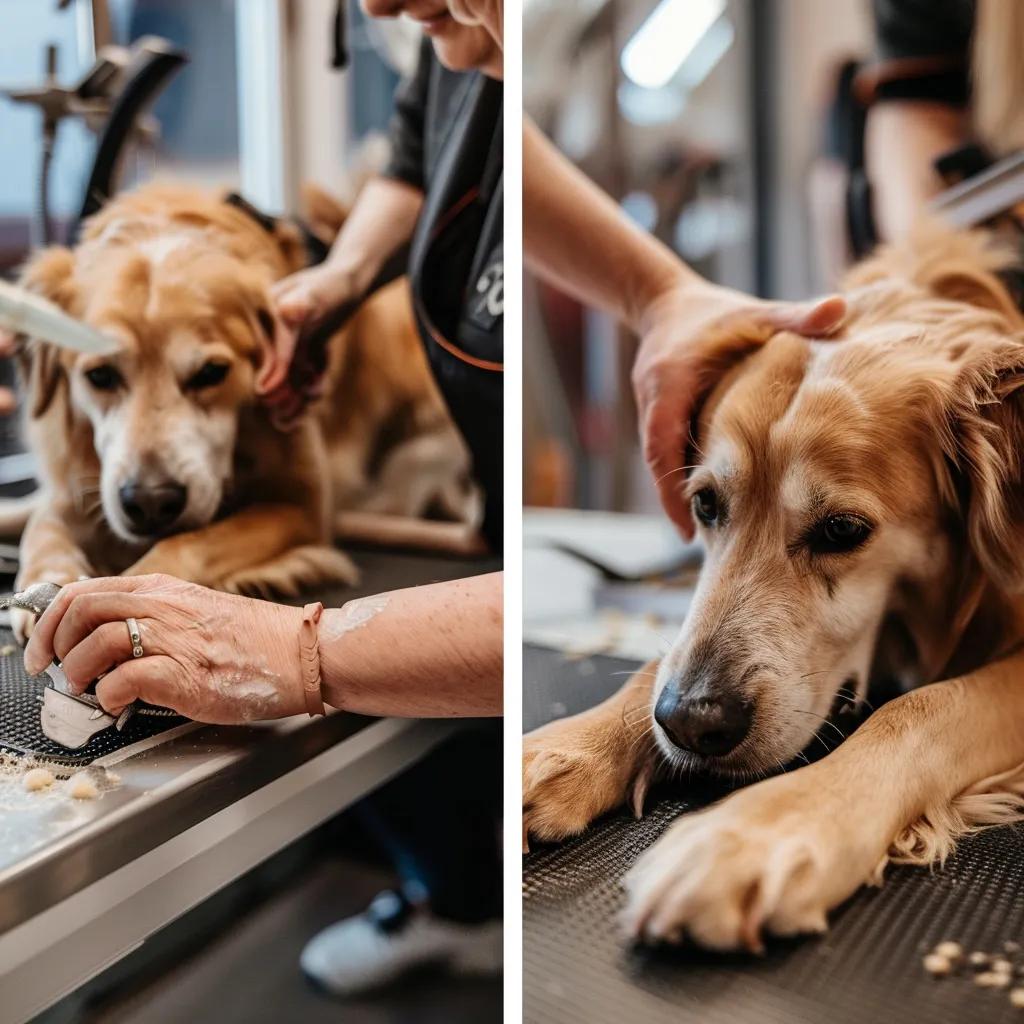
Both clipping and grinding shorten nails, but they work differently and suit different dogs. Clippers remove length quickly with low noise—fast but riskier if a dog suddenly pulls. Grinders slowly grind the nail down for a smooth finish and more control, but they make noise and vibrate, which some dogs dislike. For nervous or older dogs, a conservative, gradual approach lowers the chance of cutting the quick. Many groomers use a combined approach—clip off bulk, then grind for shape and safety—especially with thick or overgrown nails.
Use this quick comparison to choose the best tool for your dog’s needs.
| Method | Characteristic | Notes |
|---|---|---|
| Clipping | Fast, quieter | Good for dogs tolerating quick pressure; faster sessions but riskier if dog jerks |
| Grinding | Slow, precise, noisy/vibrating | Great for shaping and avoiding the quick; use after desensitization for noise-sensitive dogs |
| Combined approach | Clip then grind | Balances speed and finish; useful for thick or overgrown nails |
Think about temperament, age, and nail color when choosing a method to keep trims calm and safe.
- For puppies who accept handling: start with small, positive clipping sessions.
- For noise-sensitive dogs: desensitize slowly to grinders or use quiet clippers in tiny steps.
- For seniors with brittle nails: prefer gradual grinding or very small clip increments to avoid splitting.
Choosing the right method lowers injury risk and supports calmer trims.
How to spot the quick and avoid injury
The quick contains blood vessels and nerves, so identifying it prevents painful cuts. On light nails you can usually see a pink quick; on dark nails it’s hidden, so trim tiny bits and watch for a change in the nail’s cross-section or a darker center that signals you’re close. Stop immediately if you see soft tissue or bleeding. With dark nails, grinders or millimeter-level trims across multiple sessions are safer ways to reveal the quick gradually. If you’re unsure, let a professional groomer assess the nail and use conservative techniques to avoid bleeding.
Best methods for nervous or senior dogs
Nervous dogs often do well with grinders after proper desensitization because grinders remove nail slowly and allow pauses. If a dog is strongly noise-averse, tiny incremental clips combined with calming rewards may be a better fit. Senior dogs need extra comfort—short sessions, soft padding, and attention to joint soreness—so groomers may split work across several brief passes and focus on comfort rather than speed. A professional groomer can evaluate gait and paw health and recommend a gentle schedule and method that keeps nails at a safe length for mobility.
Health benefits of regular mobile nail trimming
Keeping nails trimmed supports proper paw mechanics, reduces joint strain, and prevents injuries caused by overgrown nails. Long nails can change how a dog bears weight, leading to splayed toes, uneven gait, and added stress on joints that can worsen arthritis—especially in older dogs. Regular trims correct paw alignment and let groomers spot nail splits, infections, or abnormal growth early so you can get timely treatment. These preventive steps help preserve mobility and comfort through your dog’s life.
Here’s a simple mapping from routine care to outcomes so you can see why regular trims matter.
| Benefit | Mechanism | Outcome |
|---|---|---|
| Improved gait | Keeps correct paw angle and toe alignment | Smoother movement and less joint stress |
| Fewer injuries | Prevents snagging and overgrowth | Fewer torn or split nails and less bleeding |
| Early problem detection | Groomer inspection during routine care | Faster treatment for infections or abnormalities |
Routine trimming protects biomechanics and makes it easier to catch problems early. Watch for these signs between trims:
- Limping, reluctance to bear weight, or sudden gait changes.
- Visible nail splitting, discoloration, or debris under the nail.
- Nails that touch the ground when your dog stands or cause paw splaying.
If you notice these signs, or want a preventive plan, schedule nail trimming and filing with a mobile groomer. To book or discuss a maintenance plan, contact Woof Woof Mobile Grooming in McKinney, TX at 972-302-8979 or by email at [email protected].
Research on canine nail trims underlines the importance of measuring stress responses and adapting techniques to reduce discomfort.
Canine Experiences with Nail Trims: A Study on Dog Reactions
This study examined how dogs respond to nail trims, including heart rate measurements taken during the procedure. The findings provide insight into stress responses and help guide gentler grooming methods.
Why choose Woof Woof Mobile Grooming for stress-free nail care in McKinney, TX?
Woof Woof Mobile Grooming brings one-on-one nail trimming and filing to your doorstep with a focus on reducing stress. Serving McKinney, TX, we eliminate travel and let you book appointments when your dog is likely to be calm. Our groomers are experienced with anxious and senior pets, using gentle pacing, quiet tools when possible, and techniques that prioritize comfort. If you want professional, convenient nail care in the comfort of home, Woof Woof offers on-site trimming and filing with easy ways to arrange a visit.
Local advantages of choosing Woof Woof:
- Personalized, one-on-one care in your dog’s familiar environment.
- Doorstep convenience that removes travel and salon exposure.
- Experienced groomers who know how to calm anxious and senior dogs.
- Accessible scheduling for owners with mobility or timing constraints.
These features make Woof Woof a practical choice for owners who want calm, consistent nail maintenance. To schedule or discuss accommodations for a nervous or senior dog, call 972-302-8979 or email [email protected].
How Woof Woof supports anxious and senior pets
We tailor handling plans to each pet—short sessions, calm techniques, and padding for joint-sensitive dogs. Typical accommodations include breaking work into several short passes, using quieter tools when possible, and following owner preferences to keep routines consistent between visits. Our groomers can demonstrate at-home desensitization methods during your appointment and give step-by-step guidance to build tolerance over time. These personalized strategies keep nails healthy while minimizing stress and protecting mobility.
What pet owners say about our mobile nail care
Clients consistently tell us that one-on-one, at-home sessions calm their pets, simplify logistics, and lead to more consistent upkeep than salon visits. Many appreciate that we adjust pace and tools to each dog’s needs, which reduces anxiety and improves cooperation over time. For full, authentic reviews, check our live listings — and contact Woof Woof directly to talk through special requests for nervous or senior dogs.
Frequently Asked Questions
This FAQ gives quick, practical answers so you can take safe next steps and know when to call a groomer or vet for nail-related concerns.
How can I make nail trimming a positive experience for my dog?
Use short, frequent practice sessions, reward immediately, and keep handling predictable. Start with paw handling and treats, move to tool exposure without cutting, then to brief touches with the tool paired with rewards. Keep sessions under a few minutes and always end on a calm, successful note. Use high-value treats and a steady, soothing voice. Allow breaks instead of forcing behavior—small wins done regularly create lasting positive associations.
What should I do if my dog resists nail trimming?
If your dog resists, stop and avoid forcing the trim to prevent escalation. Give the dog space, try a calming activity, and attempt a short, gentle session later. Over the long term, follow a desensitization and counter-conditioning plan with incremental exposure to handling and tools. Mobile groomers can often complete the initial successful sessions in a calm, controlled setting. If your dog shows aggression or extreme avoidance, consult a professional trainer or veterinarian for an assessment and a supervised plan before continuing home trims.
- Pause and de-escalate: Stopping keeps trust intact and prevents trauma.
- Return to short, positive sessions: Build small wins slowly to increase tolerance.
- Seek professional help: Groomers and trainers can design safer, effective plans.
These steps help you manage resistance safely and move toward successful, low-stress nail care.
Frequently Asked Questions
What should I do if my dog has overgrown nails?
If your dog’s nails are overgrown, address it promptly to avoid discomfort and mobility problems. Schedule a visit with a professional groomer who can safely reduce length. If trimming at home, remove tiny amounts at a time to avoid cutting the quick. Aim for regular maintenance—typically every 4–6 weeks—to keep nails at a healthy length and prevent future overgrowth.
How can I tell if my dog’s nails are too long?
Look at your dog’s stance and walk. If the nails touch the ground when they stand, or if your dog limps or avoids putting weight on a paw, the nails may be too long. Also watch for splitting, unusual wear, or discomfort when they walk. Regular checks and timely trims help prevent problems.
Are there specific tools recommended for home nail trimming?
Yes. Use dog-specific nail clippers—guillotine or scissor styles depending on paw size—and keep them sharp. For anxious dogs, a nail grinder can be gentler since it removes small amounts gradually. Choose tools sized for your dog’s nails and have treats ready to reward calm behavior. If you’re unsure, ask a groomer which tools match your dog’s needs.
How often should I schedule mobile grooming appointments?
Most dogs do well with trims every 4–6 weeks, but growth varies by activity and breed. Active dogs that wear nails naturally may need less frequent visits, while older or less active dogs might need more attention. Regular appointments keep nails manageable and let professionals spot paw issues early.
What are the signs of nail-related health issues in dogs?
Warning signs include limping, reluctance to walk, or pain when paws are touched. You may also see splitting, discoloration, or debris under the nail. Persistent paw licking or visible discomfort warrants a check with a groomer or veterinarian. Early detection prevents bigger problems down the road.
Can I use human nail clippers on my dog?
It’s not recommended. Human clippers aren’t designed for the thickness and shape of dog nails and can cause uneven cuts or injury. Invest in dog-specific clippers for better control and safety, or consult a groomer if you’re uncomfortable trimming at home.
What should I do if I accidentally cut the quick?
If you cut the quick, stay calm and soothe your dog. Apply styptic powder or cornstarch to stop bleeding and hold gentle pressure. If bleeding doesn’t stop within a few minutes or your dog seems in severe pain, contact your veterinarian. To reduce the risk in the future, trim conservatively or call a professional groomer for guidance.
Final thoughts
Mobile dog grooming offers a low-stress, convenient solution for nail care that benefits both pets and owners. By focusing on one-on-one attention in a familiar setting, mobile groomers make trims easier and safer—especially for anxious or senior dogs. Regular professional maintenance supports paw health and helps make grooming a positive routine. To learn more about our mobile options or to schedule an appointment, contact Woof Woof Mobile Grooming today.