
Essential Dog Nail Trimming Techniques for a Happy Pet: Professional, Stress-Free, and Convenient Care
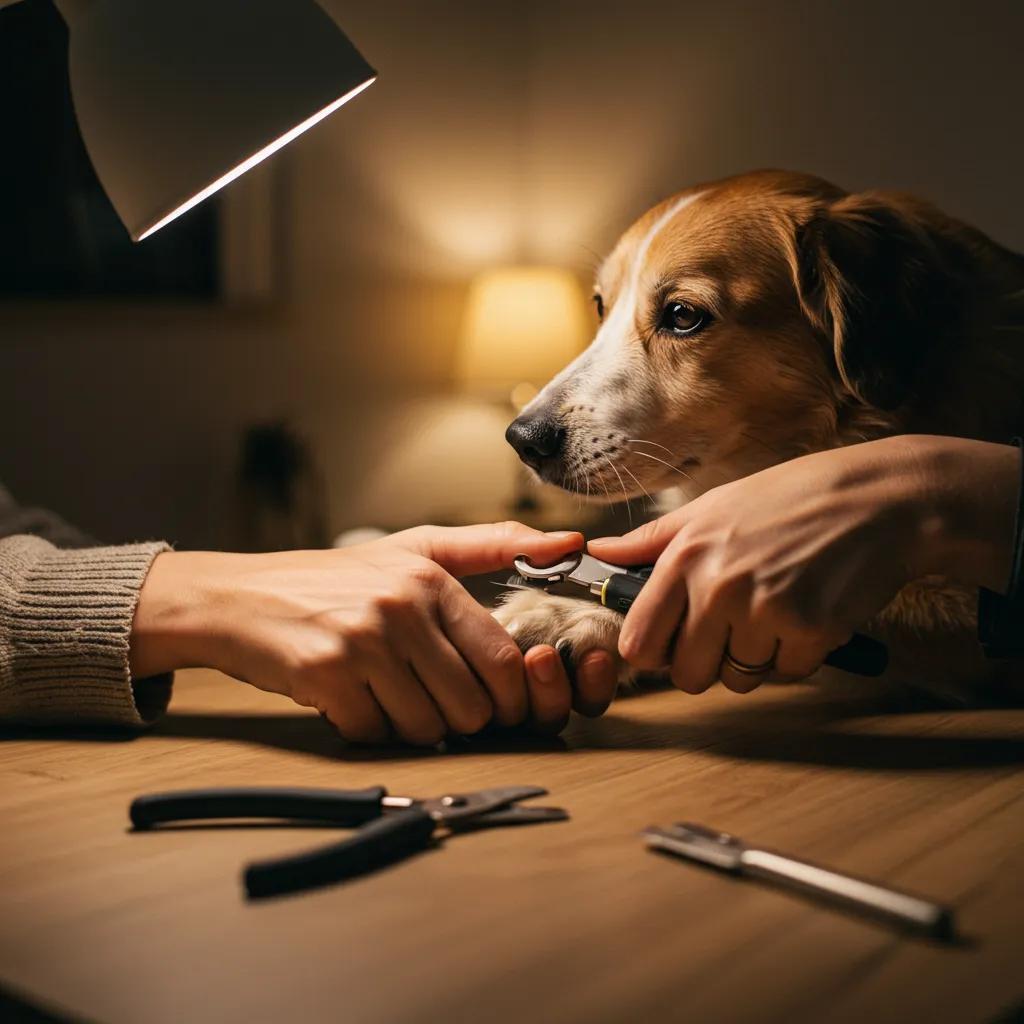
Keeping your dog’s nails trimmed is key to healthy paws, comfortable movement, and preventing injuries that can impact their posture and daily activities. This guide covers essential dog nail trimming techniques, how to spot the quick, safe tool choices, and behavior strategies for stress-free nail care for puppies, seniors, and anxious pups. You’ll learn step-by-step methods for clipping and grinding, clear signs your dog’s nails need attention, and how mobile grooming fits into a fear-free plan. Many owners find trimming dark nails or calming nervous dogs a challenge; this guide offers practical desensitization steps and decision-making tips so you can trim safely or know when to call a pro. We’ll explore why regular trims matter, nail anatomy and safe trimming cues, calming techniques, professional service comparisons, mobile benefits for McKinney residents, grinding versus clipping, and training approaches for young and old dogs. Throughout, you’ll find relevant terms like dog nail trimming, mobile grooming, professional nail clipping, and how to identify the quick on dog nails.
Why Is Regular Dog Nail Trimming Essential for Your Pet’s Health and Happiness?
Regular dog nail trims prevent mechanical and medical issues by keeping nails at a length that supports normal walking, reduces joint strain, and avoids injuries. Overly long nails can alter paw angle and weight distribution, putting extra pressure on joints and tendons; trimming restores proper alignment and comfort. Routine trims also decrease the likelihood of painful broken nails, splits, and secondary infections from torn quicks, leading to better mobility and fewer vet visits. The next section details specific health risks of overgrown nails and how they affect your dog’s daily life.
What Are the Health Risks of Overgrown Dog Nails?
Overgrown nails change how paws function by widening toe splay and shifting weight away from the pads, increasing the risk of joint inflammation and compensatory lameness. Dogs with neglected nails often show subtle changes in their gait and may hesitate to run or jump due to discomfort—a key sign for owners to watch for. Long nails are more prone to snagging and tearing, which can result in painful avulsions or infections requiring veterinary care and a longer recovery. Recognizing these risks early helps prioritize regular trimming as a preventative measure, not just a reactive fix.
How Does Nail Care Improve Your Dog’s Comfort and Mobility?
Trimming nails short enough to allow normal paw placement reduces abnormal pressure on wrists and hips, easing pain during activity and preserving long-term joint health. Many dogs show immediate improvement in their posture and willingness to walk after a careful trim, highlighting the direct link between nail length and comfort. Regular maintenance also prevents nail deformities and encourages even wear, making movement smoother. These comfort improvements naturally lead into guidance on how often to trim and when to schedule maintenance.
How Often Should You Trim Your Dog’s Nails?
How often you trim depends on your dog’s activity level, breed, and whether their nails naturally wear down on hard surfaces. A good general guideline is every 3–4 weeks to maintain a functional nail length. Active dogs that frequently run on pavement might need less frequent trims, while indoor or less active dogs usually require more regular clipping because their nails don’t wear down as much. Watch for visual cues—nails touching the ground, an audible clicking sound on hard floors, or an altered stance—and trim sooner if these appear. If you’re unsure about the right schedule for your dog, consult a groomer or mobile service for a personalized plan.
Before we dive into tools and anatomy, let’s look at how different nail conditions relate to health risks and recommended actions to help you prioritize care.
Different nail conditions present distinct risks and require targeted actions for your dog’s health and mobility.
| Nail Condition | Primary Health Risk | Recommended Action |
|---|---|---|
| Overgrown nails | Joint strain, altered gait | Trim to functional length; schedule regular maintenance every 3–4 weeks |
| Cracked or split nails | Pain, infection risk | Clean, trim damaged area, apply styptic powder if bleeding, consult groomer/vet if deep |
| Nails with visible blood (exposed quick) | Bleeding, infection | Apply pressure and styptic powder; seek professional care if bleeding persists |
This table clarifies when to trim at home and when to seek professional help based on the observed nail condition and associated risks.
How Can You Understand Your Dog’s Nail Anatomy to Trim Safely?
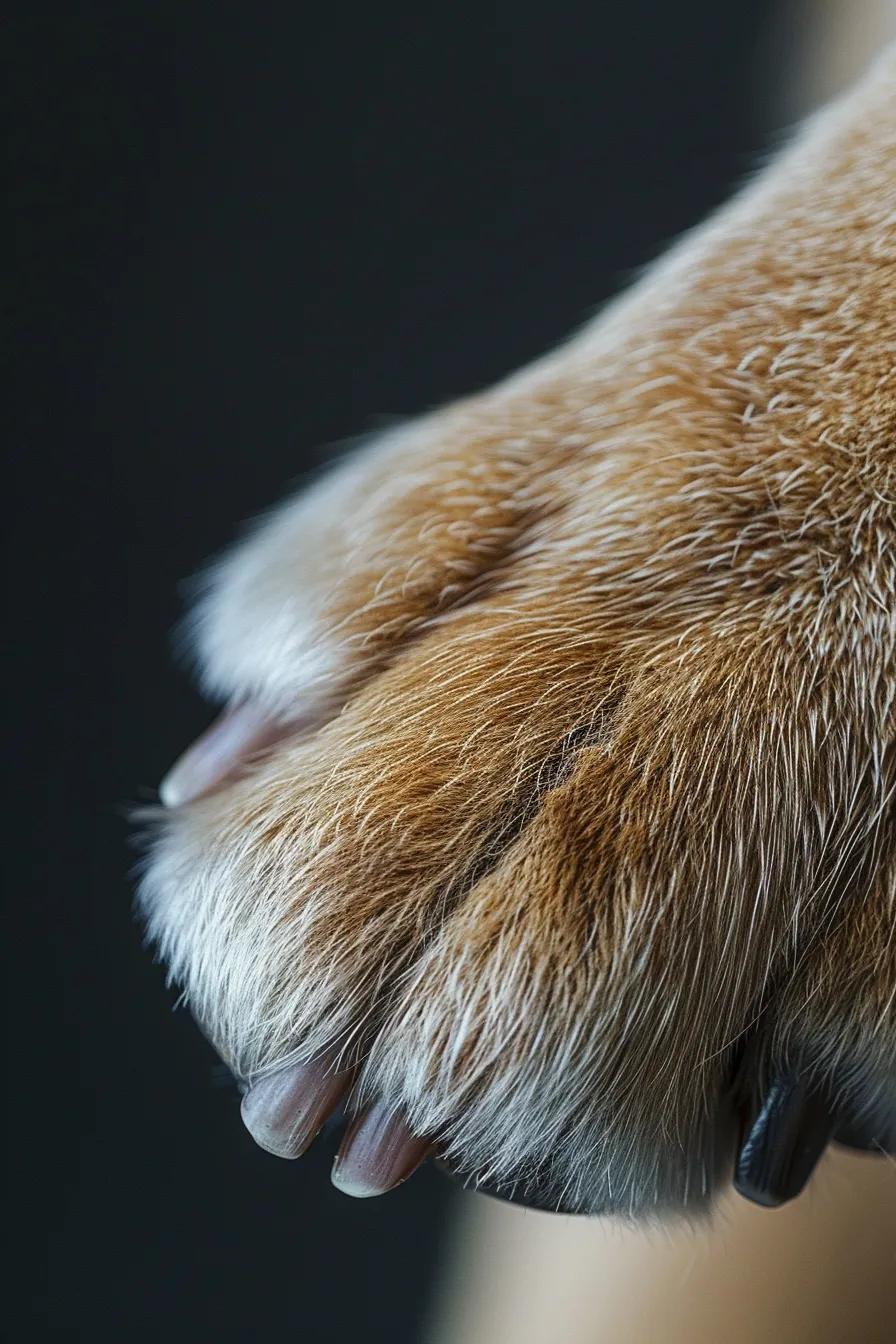
Understanding nail anatomy is all about the quick—the living tissue inside the nail containing blood vessels and nerves. Knowing where the quick ends is crucial to avoid painful cuts. The quick’s location varies by nail color: it’s visible as a pink area in light nails and hidden within dark nails. Owners can use visual cues and trim conservatively to prevent injury. Recognizing the quick reduces bleeding incidents and boosts trimming confidence. If you’re still unsure about identifying the quick, especially on dark nails, consider booking a professional for guidance. The following sections define the quick more precisely and offer identification techniques for both light and dark nails.
What Is the Quick and Why Is It Important?
The quick is the vascular tissue inside a dog’s nail that supplies blood and sensation. Cutting into it causes immediate pain and bleeding, making it the primary structure to avoid during trimming. Protecting the quick preserves your dog’s comfort and prevents secondary issues like aversion to future trims or infection from an open wound. Understanding the quick’s role helps owners adopt a conservative trimming strategy: shorten a little at a time and stop when the nail’s internal structure appears close to the surface. Knowing that the quick can extend further in active or less-trimmed dogs helps inform gradual approaches and professional referrals when needed.
How Do You Identify the Quick on Light and Dark Dog Nails?
For light-colored nails, the quick appears as a darker pink area inside the translucent nail. Stop trimming a few millimeters before this pink zone to avoid contact. For dark nails, use a small flashlight held underneath the nail, or clip tiny amounts and watch the cut surface for a grayish oval that signals you’re approaching the quick. Pause frequently and examine the nail. If you can’t confidently see the quick or your dog is uncooperative, stop and seek professional assistance rather than risk cutting into the quick. Learning these identification techniques reduces the likelihood of mistakes and sets you up for successful trimming sessions.
Research into puppy nail trims in a controlled setting highlights the importance of owner approach and the dog’s physiological response during the procedure.
Puppy Pedicures: Dog Experiences with Nail Trims
Dogs (of various age, breed and sex) to a standard nail trim procedure in a mock veterinary setting, as well as how their owners approach nail. Heart rate during the nail trim was.
Puppy pedicures: Exploring the experiences of Australian dogs to nail trims, PT Edwards, 2022
What Tools Are Best for Safe Nail Trimming and Grinding?
Choosing the right tools—scissor or guillotine clippers, a low-speed grinder, and safety accessories like styptic powder—enhances precision and reduces the risk of injury during nail trims. Clippers offer quick cuts for thicker nails, while grinders allow for gradual shaping and smoothing, especially useful for preventing splintering and rounding edges. Keeping tools sharp and ensuring they are the correct size for your dog are key to safe trimming and require routine inspection and cleaning. The following list highlights common tool types and their ideal uses before we present a structured tool comparison.
Common trimming and grinding tools serve specific purposes for safe nail care.
- Scissor or guillotine clippers: Fast cuts for medium to large nails, ideal when dogs tolerate quick actions.
- Rotary grinders (dremels): Gradual shortening and smoothing; better for shaping and reducing splintering.
- Styptic powder and files: Emergency bleeding control and fine smoothing after trimming.
| Tool Type | Characteristic | Recommended Use |
|---|---|---|
| Scissor/Guillotine Clippers | Fast, decisive cut | Best for cooperative dogs with visible quicks |
| Rotary Grinder | Gradual abrasion, smoother finish | Ideal for shaping, smoothing, and anxious dogs needing slow approach |
| Nail File / Emery Board | Fine smoothing, minimal removal | Good final touch after clipping or grinding |
This comparison helps match tool choice to temperament and nail condition for safer trimming outcomes.
What Are Stress-Free Dog Nail Care Techniques to Keep Your Pet Calm?
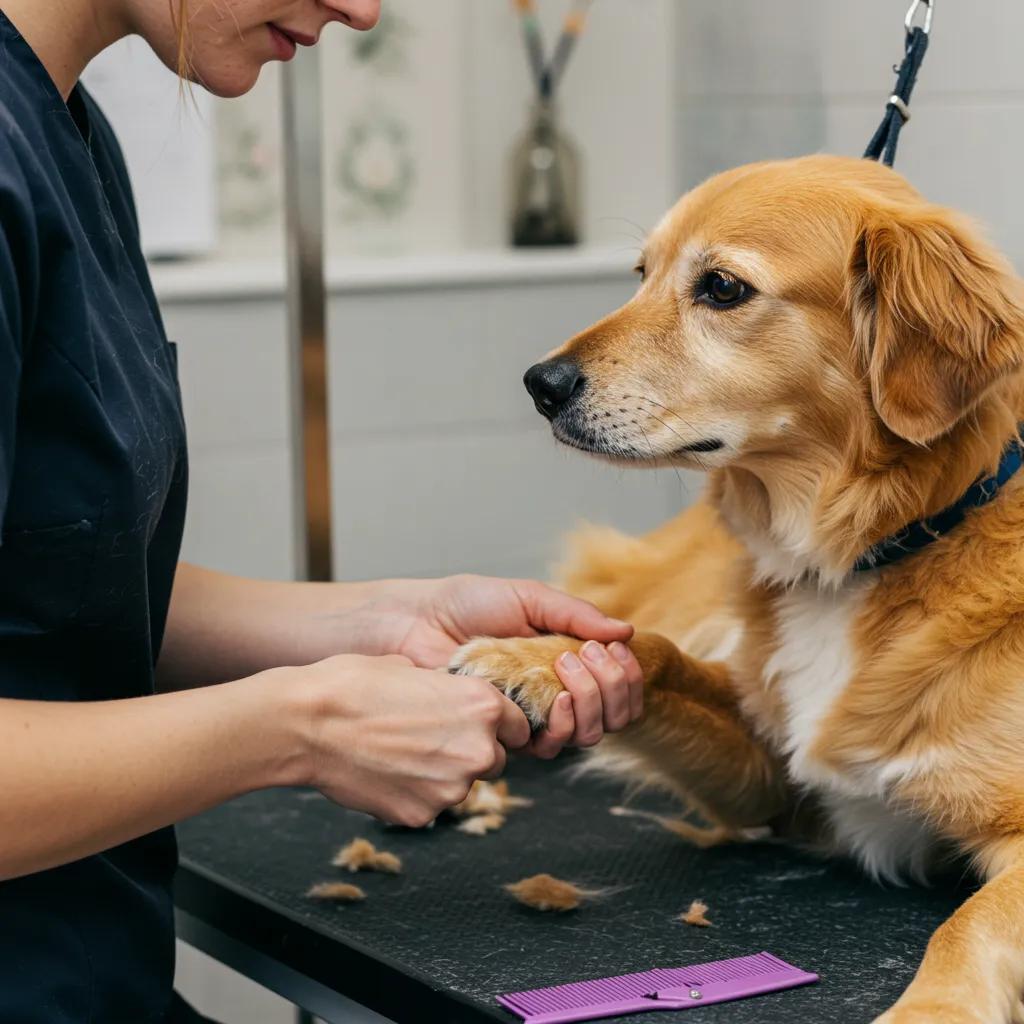
Stress-free nail care involves a combination of desensitization, positive reinforcement, and environmental management to make trims predictable and low-anxiety for dogs. Gradual exposure to tools and handling reduces fear by building tolerance through short, repeatable sessions that link the experience with rewards. Preparing a quiet, familiar space and using calm handling techniques minimizes triggers that amplify stress, while short, frequent sessions build confidence more effectively than long, infrequent attempts. The following sections offer concrete calming tactics, reinforcement methods, and explain how mobile grooming reduces stress by bringing one-on-one care to your pet’s familiar environment.
How Can You Calm Anxious Dogs During Nail Trims?
Calm anxious dogs by creating a low-distraction area, using gentle restraint, and pacing sessions to the dog’s tolerance. Start with simple touch, then progress to holding paws and introducing tools without actually trimming. Short sessions of two to five minutes, paired with breaks and high-value treats, reinforce positive associations and reduce fear over time. Employing neutral, soft vocal cues and slow, predictable movements prevents startle responses and helps the dog anticipate each step. These calming foundations then support specific reward strategies that accelerate habituation.
Implementing desensitization and counter-conditioning techniques is crucial for creating a positive association with nail trims, especially for dogs exhibiting fear or anxiety.
Desensitization Techniques for Stress-Free Dog Nail Trims
And necessary procedures such as nail trims, the expense and. Any type of Fear Free environment, from home to grooming. Counterconditioning or desensitization may help dogs with.
From Fearful to Fear Free: A Positive Program to Free Your Dog from Anxiety, Fears, and Phobias, 2018
What Positive Reinforcement Methods Work Best for Nail Care?
Positive reinforcement focuses on immediate rewards—small, high-value treats given at the precise moment—to encourage calm behavior during handling and tool exposure. Use counter-conditioning by offering treats while touching paws and give them after each successful small step (e.g., holding a paw, touching clippers, finishing a trim) to link the experience with a predictable reward. Consistency and timing are vital: reward calm behavior seconds after it occurs so your dog learns which action earns the treat. Implementing this approach shortens the training timeline and makes subsequent trims smoother.
How Does Mobile Grooming Provide a Stress-Free Nail Trimming Experience?
Mobile grooming minimizes stress by eliminating travel, waiting rooms, and exposure to other animals. Pets receive one-on-one attention in a familiar or nearby setting, which lowers anxiety and improves cooperation. A mobile groomer can apply gradual desensitization and reward strategies in the same environment where the dog feels safe, increasing the chances of a calm, successful trimming session. For owners who prefer professional assistance, Woof Woof Mobile Grooming offers a Nail Trimming and Filing service right at your doorstep in McKinney, Texas, using fear-reduction techniques tailored for anxious or senior pets. Contact us to arrange an on-site appointment with experienced, one-on-one care.
To sum up, stress-free techniques and mobile services work hand-in-hand to reduce fear and make regular nail maintenance practical.
Why Choose Professional Dog Nail Clipping and Grinding Services?
Professional services combine expertise, the right tools, and skilled handling to manage difficult trims safely, reducing the risk of quick injury and making nail care predictable for both owners and dogs. Experts assess nail anatomy, temperament, and medical considerations before choosing clipping or grinding methods, and they carry supplies for immediate care if bleeding occurs. Professionals also offer scheduling and consistency that prevent nails from becoming overgrown, and for many owners, the convenience and safety benefits outweigh the cost of periodic professional maintenance. The following sections clarify when to opt for a pro, what a professional Nail Trimming and Filing appointment typically includes, and how groomers ensure safety.
When Should You Opt for Professional Mobile Nail Trimming?
Choose a professional when your dog has dark nails you can’t trim confidently, exhibits strong anxiety or aggressive guarding behaviors, has medical conditions that complicate handling, or when previous attempts have resulted in bleeding. Owners who lack time, experience, or the right tools also benefit from a professional’s speed and safety protocols. Red flags that suggest a pro is needed include persistent bleeding after minor trims, visible infection, or a dog that shows extreme distress during handling. A professional mobile appointment can address these challenges with specialized techniques and emergency preparedness.
The sight or sound of nail clippers can be a significant trigger for fear and anxiety in dogs, often leading them to avoid the grooming process altogether.
Fear Free Dog Nail Trimming: Understanding Pet Anxiety
Nail clippers causing a dog to run and hide is an excellent example. The nail clippers are a.
Fear freeSM practice: in the pet’s eye view., 2017
What Does Woof Woof Mobile Grooming’s Nail Trimming and Filing Service Include?
Woof Woof Mobile Grooming’s Nail Trimming and Filing service offers a calm, on-site process that typically includes an initial paw inspection, careful clipping or grinding, smoothing of rough edges, and brief post-trim comfort measures. Our technicians tailor the session to each pet’s comfort and may use a grinder for gradual shortening or clippers for efficient cuts, always prioritizing the dog’s stress level. This service is ideal for busy owners and pets sensitive to salon environments, as it delivers one-on-one attention right at your doorstep in McKinney, Texas. If you prefer professional help, our service streamlines safe maintenance while minimizing stress.
How Do Expert Groomers Ensure Safety and Comfort for Your Dog?
Expert groomers use trained handling techniques, proper restraint methods, and calibrated tools to minimize quick contact and reduce the chance of injury, while carrying basic first-aid supplies for immediate care if needed. Groomers closely monitor body language, adjust their pace to the pet’s comfort, and maintain tool cleanliness and sharpness to prevent traumatic pulling or crushing of nails. Communication with owners about a pet’s history, medical concerns, or sensitivities informs a safe, personalized plan. These safety protocols allow owners to rely on professionals when at-home trimming feels uncertain or risky.
What Are the Benefits of Mobile Dog Nail Trimming Services in McKinney, Texas?
Mobile nail trimming brings the groomer directly to your home, saving travel time and reducing your pet’s exposure to stressful stimuli like other animals and noisy salons. The convenience of scheduling and receiving one-on-one attention at home is a major plus for busy families, elderly owners, and dogs that react poorly to unfamiliar environments. Local mobile services provide consistency—regular on-site appointments prevent overgrowth and help maintain mobility and comfort for pets year-round. Below are specific ways mobile grooming saves time and reduces stress, followed by details on booking with Woof Woof Mobile Grooming in McKinney.
How Does Mobile Grooming Save Time and Reduce Stress for Pet Owners?
Mobile grooming eliminates round-trip travel, waiting room time, and the hassle of loading and unloading your pet, often saving owners 30–60 minutes per appointment depending on traffic and distance. For pets, staying close to home preserves familiar routines and reduces the likelihood of stress behaviors that can complicate trims. The time and stress savings often translate into better compliance with regular maintenance schedules, which improves long-term paw health. These practical benefits make mobile nail care especially valuable for owners juggling busy schedules or facing mobility challenges.
What Makes Woof Woof Mobile Grooming Unique in McKinney?
Woof Woof Mobile Grooming is dedicated to personalized, stress-reduction-focused care delivered directly to McKinney residents’ homes, combining calm handling with professional Nail Trimming and Filing services. Our business model centers on one-on-one attention and minimal exposure to other animals, which is particularly beneficial for anxious dogs, puppies, and seniors. This local approach ensures safer, more consistent maintenance tailored to individual pets’ needs and schedules, reinforcing healthy nail habits that preserve comfort and mobility. The next section explains how to book a mobile appointment easily.
How Can You Book a Convenient Mobile Nail Trimming Appointment?
To book a mobile appointment for Nail Trimming and Filing with Woof Woof Mobile Grooming, call 972-302-8979 or email [email protected]. Please provide your pet’s age, any nail concerns (like dark nails, anxiety, or medical issues), and your preferred times. We’ll confirm the logistics for an on-site visit that fits your schedule. When booking, mention any mobility limitations, recent injuries, or previous grooming reactions so the technician can prepare appropriate handling strategies. Expect an on-site inspection, a calm trimming session tailored to your pet, and brief aftercare advice following the appointment.
Booking this way ensures convenient, stress-minimizing care delivered right where your pet feels most comfortable.
How Do Dog Nail Grinding Benefits Compare to Traditional Clipping?
Grinding and clipping both achieve the goal of shortening nails but differ in their mechanism, precision, and suitability. Grinders remove material gradually through abrasion, offering smoother finishes, while clippers make a single mechanical cut that’s faster but riskier if the quick is close. Grinders are useful for shaping, reducing splintering, and providing a stepwise approach for nervous dogs, whereas clippers are efficient for cooperative dogs needing quick maintenance. The choice between methods depends on temperament, nail thickness, and owner comfort with the tools. The following table compares the two across key attributes to guide your decision.
| Method | Attribute | Value |
|---|---|---|
| Grinding | Pain risk | Lower when used slowly; gradual removal helps avoid quick injury |
| Clipping | Speed | Faster; one decisive cut reduces session time |
| Grinding | Finish | Smoother edges, less splintering |
| Clipping | Portability | More portable and simple for travel or quick sessions |
This comparison shows grinders excel in finish and gradual reduction, while clippers are superior for speed and portability. Combining both tools often yields the best results, depending on the dog’s temperament.
What Are the Advantages of Using Nail Grinders for Dogs?
Nail grinders allow for incremental length reduction, which lowers the chance of cutting into the quick and produces smoother, rounded edges that minimize splitting and catching. Grinders are especially helpful for dogs with brittle nails or those who tolerate noise and vibration with proper desensitization over short sessions. They also enable nail shaping for aesthetics and comfort and can be used to slowly shorten nails over multiple brief sessions. Because grinders require patience and steady handling, many owners partner with professionals for initial sessions to establish tolerance.
When Is Grinding Better Than Clipping?
Grinding is preferable when nails are fragile, when owners need to avoid a visible quick on dark nails, or when a dog benefits from a slower, more gradual approach to prevent panic responses. For anxious or senior dogs, where a sudden clipping motion can trigger fear and unsteady paws, a grinder’s incremental method reduces startle reactions. When speed is the priority for a cooperative, calm dog, clipping may still be the best option, but grinders are a reliable alternative for dogs who need shaping and smoothing without the risk of splintering.
How to Safely Use Nail Grinders on Your Dog’s Nails?
Start with short, positive sessions that introduce the vibration and noise away from paws, then pair the device with treats and praise before grinding actual nails. Work in 5–10 second intervals and check the nail surface frequently for heat buildup. Keep the grinder at a low speed with the appropriate grit to avoid excessive removal in one pass, and hold the paw securely but gently to maintain control. If the nail heats up, the dog shows strong aversion, or you can’t maintain steady progress without causing stress, stop and consult a professional. These safety steps protect the quick and maintain a calm experience for your dog.
How Can You Train Puppies and Senior Dogs for Safe Nail Trimming?
Training puppies and accommodating senior dogs both require short, predictable sessions, positive reinforcement, and adjustments for comfort that respect developmental and medical differences. Puppies benefit most from early, gentle desensitization that pairs handling with rewards, while senior dogs need slower pacing, attention to brittle nails, and consideration for arthritis or circulation issues. Mobile grooming can support both age groups by providing gentle, one-on-one sessions in a familiar environment, making training and maintenance more manageable. The following sections outline best practices for puppies and considerations for senior dogs.
What Are Best Practices for Puppy Nail Training?
Begin as early as possible with brief handling sessions that focus on touching paws, holding them for a second, and gradually introducing clippers or a file while offering high-value treats immediately after calm behavior. Keep sessions under a few minutes initially and repeat daily or several times per week to build tolerance without causing fatigue or fear. Use a calm, playful tone and reward every small success so your puppy associates paw handling with positive outcomes. Consistent repetition builds trust and makes future trims efficient and low-stress.
How Does Nail Care Differ for Senior Dogs?
Senior dogs often require gentler handling due to reduced mobility, thicker or more brittle nails, and potential joint pain that makes positioning uncomfortable. Trimming sessions should therefore be shorter and involve supportive cushioning. Monitor for signs of decreased circulation, nail splitting, or changes in nail texture that might indicate underlying issues needing veterinary input. Work slowly, communicate with your vet about any concerns, and consider professional mobile services that can adapt to limited mobility and medical sensitivities. These adjustments ensure safety and comfort during maintenance.
How Does Mobile Grooming Cater to Anxious or Elderly Pets?
Mobile grooming offers personalized pacing, familiar surroundings, and reduced transfer stress for anxious or elderly pets by eliminating travel and salon stimuli that can aggravate fear or physical discomfort. On-site technicians can use specialized handling, elevated platforms, or additional supports to position seniors comfortably while trimming, and they can split sessions into multiple short visits if needed. This tailored approach increases the likelihood of successful, humane nail care for pets who struggle with conventional grooming settings, improving compliance and long-term paw health.
Regular, tailored training and the option of mobile, one-on-one professional care create safer, more comfortable nail maintenance for both puppies and seniors across McKinney and surrounding areas.
Frequently Asked Questions
What should I do if my dog resists nail trimming?
If your dog resists nail trimming, it’s essential to approach the situation with patience and positive reinforcement. Start by desensitizing your dog to the tools by allowing them to sniff and explore the clippers or grinder without any trimming. Gradually introduce handling their paws and reward them with treats for calm behavior. Short, frequent sessions can help build tolerance. If resistance continues, consider consulting a professional groomer who can provide a stress-free experience tailored to your dog’s needs.
Can I use human nail clippers on my dog?
While some pet owners may use human nail clippers on their dogs, it’s generally not recommended. Human clippers are designed for thinner nails and may not provide the necessary leverage for thicker dog nails, leading to uneven cuts or injury. Instead, opt for clippers specifically designed for dogs, such as guillotine or scissor-style clippers, which are better suited for the thickness and structure of canine nails. Using the right tools ensures a safer and more effective trimming process.
How can I tell if my dog’s nails are too long?
To determine if your dog’s nails are too long, observe their stance and behavior. If you notice their nails touching the ground when standing or hear a clicking sound on hard surfaces, it’s time for a trim. Additionally, if your dog shows signs of discomfort, such as avoiding walks or limping, long nails may be the cause. Regularly checking your dog’s nails and maintaining a trimming schedule can help prevent these issues and ensure their comfort and mobility.
What are the signs of nail pain or injury in dogs?
Signs of nail pain or injury in dogs can include limping, reluctance to walk or run, excessive licking or chewing at their paws, and visible swelling or redness around the nail area. If you notice your dog favoring a paw or showing signs of distress when their nails are touched, it may indicate an underlying issue. In such cases, it’s crucial to consult a veterinarian for a thorough examination and appropriate treatment to prevent further complications.
Is it safe to trim my dog’s nails at home?
Yes, it is safe to trim your dog’s nails at home, provided you have the right tools and knowledge. Familiarize yourself with your dog’s nail anatomy, especially the quick, to avoid injury. Use appropriate clippers or grinders and ensure your dog is calm during the process. If you’re unsure or uncomfortable, consider seeking guidance from a professional groomer or veterinarian. Regular at-home trimming can be beneficial for maintaining your dog’s nail health and comfort.
What should I do if I accidentally cut the quick?
If you accidentally cut the quick while trimming your dog’s nails, it can cause bleeding and pain. Immediately apply styptic powder to the area to help stop the bleeding. Apply gentle pressure with a clean cloth if you don’t have styptic powder on hand. Keep your dog calm and avoid further handling of the affected paw. If bleeding persists or if your dog shows signs of severe pain, contact your veterinarian for further assistance and care.
How can I make nail trimming a positive experience for my dog?
To make nail trimming a positive experience for your dog, start by creating a calm and familiar environment. Use positive reinforcement techniques, such as treats and praise, to reward your dog for good behavior during the process. Gradually introduce the tools and handling in short sessions, allowing your dog to become accustomed to the experience. Consistency and patience are key; over time, your dog will associate nail trimming with positive outcomes, making future sessions easier.
Conclusion
Regular dog nail trimming is vital for maintaining your pet’s health, comfort, and mobility, preventing injuries and promoting a happy lifestyle. By understanding nail anatomy and using stress-free techniques, you can ensure a positive experience for both you and your dog. For those seeking professional assistance, mobile grooming services offer tailored care in a familiar environment, making nail maintenance easier and less stressful. Schedule your appointment with Woof Woof Mobile Grooming today to keep your furry friend’s paws in top shape.