Why Mobile Dog Teeth Brushing Matters: Health Benefits, How It Works, and Simple Care
Dental disease shows up in most dogs by middle age. Studies link early plaque and tartar to periodontal disease, which harms both the mouth and the rest of the body. This guide explains why mobile dog teeth brushing is a practical prevention option, how a visit works, and simple steps you can take at home to lower your dog’s dental risk. You’ll learn how to spot common problems, how mobile brushing compares to vet cleanings, how often to schedule cleanings by breed and risk, and how to keep things on track between professional visits. The content is laid out in easy lists, clear comparisons, and step-by-step tips so busy families, seniors, and nervous pets get calm, effective dental care.
What Are the Common Dental Diseases Affecting Dogs?
When we talk about dental disease in dogs we mean a range of problems—plaque, tartar, gingivitis, and periodontal disease—that start with bacteria on the teeth and can progress to gum and bone damage. Bacteria form plaque, which hardens into tartar and irritates the gums (gingivitis). If left alone, that inflammation can destroy the tissues that hold teeth in place and lead to tooth loss. Catching issues early reduces pain and the chance that bacteria spread to the body. The next sections explain periodontal disease in plain terms and give a simple checklist of signs to watch for.
What Is Periodontal Disease and Why Is It Dangerous for Dogs?
Periodontal disease is a long-term infection of the gums and the structures that support teeth. It starts as gingivitis and can progress to pockets, bone loss, and loose teeth. Bacteria and inflammation can enter the bloodstream and affect organs like the heart, liver, and kidneys. Stopping the process is largely about removing plaque and calming gum inflammation — that preserves teeth and lowers organ risk. Knowing how the disease progresses helps you make better decisions about regular professional checks and daily home care.
Periodontal Disease Prevalence and Risk Factors in Dogs
Periodontal disease is common: studies report about 80% of dogs over three years old show some degree of periodontal disease. Risk and severity vary by size and breed, with smaller and brachycephalic breeds more likely to be affected.
How Can You Recognize Signs Your Dog Needs Dental Care?
You can spot dental problems by watching your dog and checking their mouth: persistent bad breath, red or bleeding gums, avoiding chew toys, drooling, or visible tartar are early signs. More serious symptoms include loose or missing teeth, swelling on the face, trouble eating, and behavior changes like withdrawal or irritability — these often mean your dog is in pain. If you notice any of these signs, get a professional check — earlier detection usually means less invasive treatment. Regular quick checks at home help you catch problems sooner.
Before we move on, think about how your choice of treatment — mobile brushing or a vet cleaning — affects your dog’s stress level, the cost, and whether anesthesia will be needed.
What Are the Benefits of Mobile Dog Teeth Brushing Compared to Traditional Cleaning?

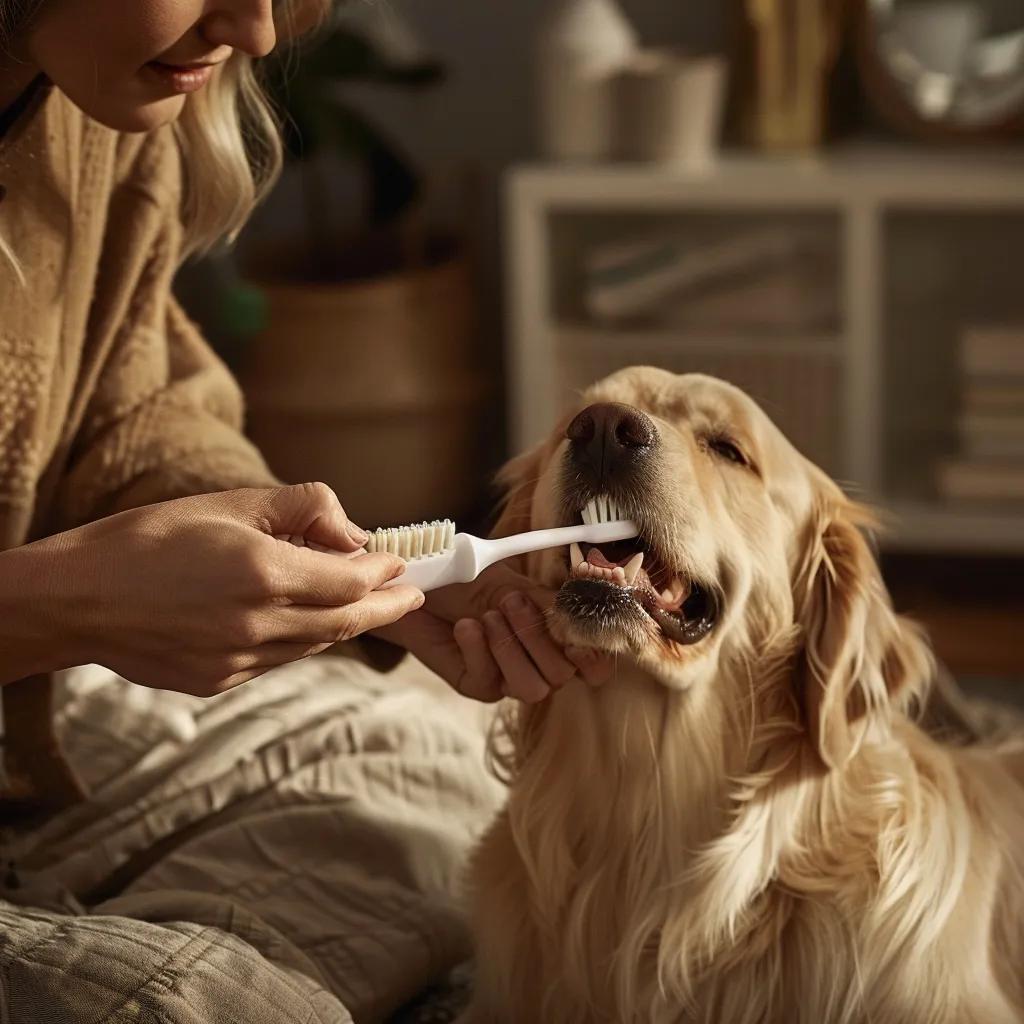
Mobile dog teeth brushing is a preventive, non-anesthetic service done in your dog’s familiar space. It focuses on disrupting plaque and keeping up with routine oral hygiene, which reduces stress and helps you stay on schedule. A trained technician performs a focused oral check, brushes and removes surface plaque with pet-safe products, and gives personalized aftercare tips to slow tartar build-up. The main benefits are convenience, lower stress for anxious or older pets, and flexible scheduling that makes regular care easier. Below is a clear comparison to help you decide when mobile brushing fits best.
Mobile vs traditional cleaning comparison:
| Approach | Characteristic | Typical Value |
|---|---|---|
| Mobile Teeth Brushing | Convenience | Performed at home or doorstep |
| Mobile Teeth Brushing | Stress Impact | Low for anxious or elderly pets |
| Mobile Teeth Brushing | Anesthesia Use | Non-anesthetic (brushing only) |
| Traditional Vet Cleaning | Convenience | Clinic visit required |
| Traditional Vet Cleaning | Stress Impact | Higher due to travel and clinic environment |
| Traditional Vet Cleaning | Anesthesia Use | Often requires anesthesia for scaling and x-rays |
In short: mobile brushing is ideal for ongoing maintenance and pets that handle stress poorly, while vet cleanings are necessary for deep scaling, dental x-rays, and extractions when disease is advanced.
How Does Mobile Teeth Brushing Provide Convenience and Reduce Pet Stress?
Mobile teeth brushing removes the need to travel, wait in noisy lobbies, or sit in unfamiliar clinics — all common stress triggers for dogs. Care happens where your dog feels safe, which lets technicians work gently and one-on-one, shortening appointment time and improving cooperation. For older adults or busy families, doorstep service removes transport challenges and makes it easier to stick to a regular schedule. Choosing a plan your dog tolerates consistently is one of the best ways to lower long-term dental risk.
Typical convenience scenarios where mobile brushing adds value:
- Busy families can fit short mobile visits into their daily routine without clinic logistics.
- Seniors and people without easy transport benefit from in-home service that removes barriers.
- Nervous or clinic-phobic dogs avoid travel and crowded waiting areas, which improves cooperation.
Those scenarios explain why mobile maintenance increases compliance. Next, we’ll walk through what a standard appointment looks like and what professionals do.
How Does Mobile Dog Teeth Cleaning Work: Process and Professional Care?
Most mobile teeth brushing visits start with a visual oral check, followed by a gentle cleaning with pet-safe toothpaste and brushes or wipes, focusing on the tooth surfaces we can reach safely. Professionals use ergonomic handling, light restraint, and calming techniques to minimize stress while addressing plaque, surface tartar, and gum checks. After the visit you’ll get clear advice on at-home brushing, product recommendations, and follow-up scheduling. If serious disease or possible root problems are spotted, we’ll recommend a veterinary visit for anesthetic scaling, x-rays, or extractions.
With that overview in mind, the next section explains how often dogs should see a professional and how to adjust frequency by breed and individual risk.
How Often Should Your Dog Receive Professional Teeth Cleaning?
How often your dog needs professional cleaning depends on their baseline risk. As a rule, your dog should have at least one professional assessment a year, with more frequent visits for small breeds, dental-prone dogs, and seniors. Plaque builds every day — without regular disruption from brushing (professional or at home) it turns to calculus and keeps inflammation going, which speeds up periodontal damage. Tailoring the schedule to your dog’s size, breed, and current oral health helps prevent worse problems and coordinates with veterinary exams for a full care plan. The table below gives common recommendations by dog group.
Recommended cleaning frequency by group:
| Dog Group | Recommended Frequency | Rationale |
|---|---|---|
| Small breeds | Every 6 months | High plaque/tartar tendency, crowded teeth |
| Medium/large breeds | Annually | Lower tartar accumulation, but monitor individually |
| Senior dogs (7+ years) | Every 6-12 months | Age-related immune changes increase risk |
| Dental-prone breeds | Every 4-6 months | Genetic predisposition to periodontal disease |
Use this table to build a realistic schedule: higher-risk dogs usually do better with more frequent maintenance and checks.
What Is the Recommended Cleaning Frequency for Different Dog Breeds?
Small and brachycephalic breeds often need more frequent professional attention because crowded teeth and certain saliva chemistry let plaque build faster. Tight tooth spacing creates pockets where biofilm becomes tartar quickly, increasing gum inflammation and pocket formation. For those dogs, combining semiannual mobile brushing with daily at-home care keeps things under control and lowers the chance of needing vet-level procedures. Knowing your breed’s tendencies helps you prioritize the most effective preventive steps.
Understanding Periodontal Disease in Dogs: Stages and Progression
About 80% of dogs have some form of periodontal disease. It progresses in two main stages: gingivitis (which is reversible) and periodontitis (which is not). Plaque alone won’t stop the disease from progressing without regular removal.
How Does Mobile Cleaning Fit Into Your Dog’s Dental Health Schedule?
Think of mobile cleaning as a maintenance layer between your vet visits: keep up with annual veterinary dental exams and use mobile brushing more often for dogs at higher risk to keep plaque from turning into tartar. Mobile visits focus on plaque before it mineralizes, while vets handle diagnostics and deep cleanings when needed — together they form a complementary care plan. A practical example: pair an annual vet check with mobile brushing every six months for small breeds to balance safety and convenience. This coordinated approach lowers cumulative disease risk while keeping care easy to access.
How Can You Maintain Your Dog’s Oral Health at Home Between Professional Cleanings?

Daily at-home care supports professional visits by breaking up biofilm before it hardens. Brushing with dog-formulated toothpaste removes plaque mechanically and prevents tartar; if full brushing isn’t possible, enzymatic wipes and dental chews help as backups. Gentle desensitization and positive reinforcement make at-home routines realistic even for anxious dogs, which improves long-term adherence and cuts down on invasive procedures. Below are tools and a short conditioning plan you can start using now.
Effective at-home tools and practices:
- Use a soft-bristled dog toothbrush and pet-safe enzymatic toothpaste to brush at least every other day.
- Try dental wipes or foam for dogs that resist brushing to reduce surface plaque safely.
- Offer vet-approved dental chews and water additives as helpful supplements to mechanical cleaning.
These items create a multi-layered routine. The next section walks you step-by-step through brushing and safe alternatives.
What Are Effective At-Home Dog Teeth Cleaning Tips and Tools?
Introduce brushing slowly: start with finger rubs using pet toothpaste, then move to a fingertip brush for short sessions, and finally a soft toothbrush to clean outer tooth surfaces. Aim at the gumline where plaque likes to build, keep sessions short and positive, and always end with a treat or praise. If brushing never works for your dog, enzymatic wipes, dental treats, and oral rinses can reduce plaque but won’t replace mechanical brushing completely. Regular at-home care helps slow disease and makes professional visits quicker and calmer.
The Primary Cause of Periodontal Disease in Dogs and Cats
Periodontal disease is the most common condition in domestic dogs and cats. While a calcium-poor diet may speed progression, the main cause is dental plaque accumulating on the tooth surface.
How Can You Prepare Anxious Pets for Stress-Free Mobile Dental Care?
Preparing an anxious pet starts with desensitization: short, frequent introductions to the brush and handled items over days or weeks reduce fear. Use positive reinforcement — treats, calm praise, and small rewards — so your dog links mouth handling with good things. On appointment day, bring a favorite blanket and keep the area quiet; mobile techs use gentle handling and calming techniques to help, too. These steps improve the chances of a smooth visit and can turn one-off resistance into routine cooperation.
What Is the Cost of Professional Mobile Dog Teeth Cleaning in McKinney, TX?
Mobile dog teeth brushing in McKinney, TX typically costs less than veterinary anesthetic cleanings because mobile services focus on non-anesthetic plaque and surface tartar care. Exact pricing varies with service scope, disease severity, and travel. The value of mobile care lies in time saved, lower pet stress, and regular preventive contact that can reduce the chance of costly anesthetic procedures later. Below is a breakdown of common cost drivers so you can estimate what affects price and plan your budget.
Cost drivers and pricing components:
| Cost Component | What It Covers | Typical Impact on Price |
|---|---|---|
| Service type | Routine brushing vs. full scaling | Major (service scope determines time/skill) |
| Severity | Heavy tartar or aggressive behavior | Major (increases time or need for vet referral) |
| Additional treatments | Polishing, topical applications | Moderate (adds materials/time) |
| Travel/convenience | Doorstep service and scheduling | Minor to moderate (operational fee) |
In short: complexity, time, and convenience are the main factors that move price. The next sections compare costs and list what influences final fees in plain terms.
How Does Mobile Dog Teeth Brushing Compare Cost-Wise to Traditional Vet Cleanings?
Mobile non-anesthetic brushing is usually less expensive than veterinary anesthetic cleanings because it doesn’t include anesthesia, x-rays, or surgical extraction capabilities. Vet cleanings that involve scaling, probing, dental x-rays, and extractions are pricier due to anesthesia monitoring, equipment, and clinic overhead. Mobile brushing offers preventive savings by lowering the chance of those expensive procedures, but it can’t replace a vet when deep periodontal disease or tooth-root problems are present. Consider upfront savings alongside long-term value from preventing progression.
What Factors Influence the Price of Mobile Dog Dental Services?
Price is influenced by plaque and tartar severity, your dog’s behavior, appointment length, any follow-ups needed, and operational costs like travel and technician time. Severe disease or uncooperative behavior can make appointments longer or lead to a vet referral, increasing cost. Regular maintenance visits with calm pets take less time and typically cost less per visit. Knowing these drivers helps you plan a cost-effective schedule that emphasizes prevention to avoid higher expenses later.
For McKinney residents looking for convenient preventive care, Woof Woof Mobile Grooming brings teeth brushing and dental care to your doorstep with personalized attention focused on health and comfort. If you want to learn more or set up a plan, call or email to start a conversation about what’s best for your dog.
What Are the Long-Term Health Risks of Neglecting Your Dog’s Dental Care?
Skipping dental care lets chronic oral infections linger, which raises the chance that oral bacteria get into the bloodstream and drive systemic inflammation in the heart, kidneys, and liver. The process begins with inflamed gums that provide an entry point for bacteria; repeated bacteremia and immune activation then stress distant organs and raise disease risk. Preventive brushing and routine professional maintenance break this chain by lowering bacterial load and gum inflammation, which reduces systemic risk. Below we outline specific effects and how regular mobile brushing helps prevent them.
How Does Poor Oral Hygiene Affect Your Dog’s Overall Health?
Poor oral hygiene creates a lasting bacterial source that can contribute to heart infections (like endocarditis), impair kidney function, and worsen liver inflammation through chronic immune activation and small-vessel damage. Research and veterinary guidance link untreated periodontal disease to higher morbidity and reduced quality-adjusted life expectancy. Dogs with advanced dental disease often lose weight, slow down, and show organ-related symptoms driven by systemic inflammation. Understanding these links helps motivate regular oral care as part of overall health.
How Does Regular Mobile Teeth Brushing Prevent Serious Health Issues?
Regular mobile teeth brushing prevents progression by mechanically disrupting plaque before it hardens, lowering gum inflammation and the chance bacteria enter the bloodstream. That reduction in chronic inflammation eases organ stress and can decrease the need for more intensive veterinary care. When you combine consistent mobile maintenance with at-home care and annual vet checkups, you build a strong prevention plan that protects both dental and overall health. Ready to take the next step? Sharing clear information and building trust with your care provider helps you move forward and book the right plan for your dog.
For questions or to arrange a customized plan in McKinney, TX, contact Woof Woof Mobile Grooming by phone at 972-302-8979 or by email at [email protected] to schedule an appointment or ask about teeth brushing and dental care options.
Frequently Asked Questions
What are the signs that my dog may need dental care?
Watch for persistent bad breath, red or bleeding gums, reluctance to chew, extra drooling, or visible tartar. More severe signs include loose or missing teeth, swelling on the face, and changes in behavior like hiding or irritability that suggest pain. Regularly looking in your dog’s mouth helps catch problems early and keeps treatments simpler.
How can I help my dog adjust to mobile teeth brushing appointments?
Start with short desensitization steps: let your dog sniff the brush and toothpaste, reward calm behavior, and practice brief touch sessions at home. Use treats and praise so your dog learns to expect good things. On appointment day, bring a favorite blanket and keep the area quiet. These simple steps increase the chances of a calm, successful visit.
What should I expect during a mobile dog teeth brushing appointment?
Expect a visual oral assessment and a gentle cleaning with pet-safe toothpaste and brushes or wipes. The technician will focus on removing plaque from reachable surfaces while keeping your dog comfortable. You’ll receive aftercare tips and product suggestions. If they find signs of serious disease, they’ll recommend a vet visit for further diagnostics and treatment.
How can I maintain my dog’s oral health at home?
Brush with a soft dog toothbrush and pet-specific toothpaste at least every other day if possible. If your dog resists, use dental wipes, chewable treats, or oral rinses as supportive measures. Consistency matters more than perfection — short, regular sessions are better than infrequent long ones.
What are the long-term consequences of neglecting my dog’s dental care?
Neglected dental care can lead to chronic oral infections and allow bacteria into the bloodstream, which may harm the heart, kidneys, and liver. Untreated periodontal disease also causes pain, tooth loss, and reduced quality of life. Regular dental care is one of the most effective ways to prevent these outcomes.
How does mobile teeth brushing fit into my dog’s overall dental care plan?
Mobile teeth brushing is a convenient maintenance tool to use between veterinary dental exams. It helps disrupt plaque buildup and keeps your dog’s mouth healthier, especially for at-risk pets. Ideally, combine annual vet exams with more frequent mobile brushing sessions to catch issues early and reduce the need for invasive procedures.
Conclusion
Making mobile dog teeth brushing part of your routine improves oral health while cutting stress and logistics for you and your pet. Regular maintenance not only prevents dental disease but also supports overall health by lowering systemic inflammation. Add consistent mobile brushing, at-home care, and yearly vet checks, and you’ll give your dog a happier, healthier life. Call Woof Woof Mobile Grooming today to schedule your first appointment and get started on a simple, effective dental plan.